

 support@petexpertise.com
Top Products

4 Simple Steps Anyone Can Use to Stop Their Dog from Pulling on a Leash
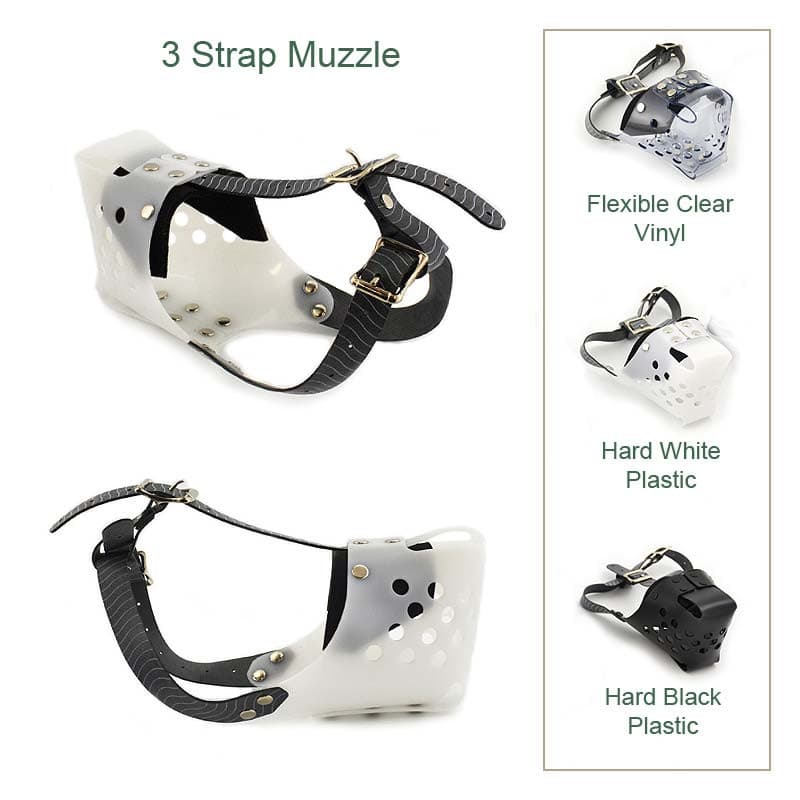
JAFCO Comfortable Dog Muzzles, Hard Plastic & Soft Flexible Versions

BreezeGuard Metal Car Window Guard Screens
Want 10% OFF Your First Order?
Let us email you a COUPON CODE right away. Valid for any purchase, today!
Natural Dog Chews vs Synthetic Chews Dogs: What’s Best for Your Dog?


Choosing between natural dog chews vs synthetic chews dogs can feel confusing. Many dog owners want something safe, healthy, and long-lasting. Yet the options vary widely. The good news is that you can make a smart choice once you understand the benefits, risks, and ingredients behind each type of chew. Natural chews and synthetic chews both serve a purpose, but they work very differently. When you know how they compare, you can select what supports your dog’s health, comfort, and chewing style.
What Are Natural Dog Chews?
Natural dog chews come from animal or plant sources. They are often simple in form and contain few ingredients.
Key Features of Natural Chews
- Minimal processing: They use simple preparation methods, which keeps them closer to their original form.
- Few ingredients: They rely on natural components without added chemicals or artificial flavors.
- Digestible textures: Many natural chews break down easily, which reduces stress on your dog’s stomach.
- Variety of hardness levels: You can choose softer or firmer options depending on your dog’s chewing ability.
- Natural appeal: Dogs often enjoy these chews because they smell and taste like real food.
Many pet owners choose natural options because they offer a more instinctive chewing experience.
Types of Natural Dog Chews
Natural chews come in several forms, each with its own benefits.
- Collagen sticks: They support joint health and offer a durable but digestible texture.
- Bully sticks: They satisfy strong chewing habits while staying easy to digest.
- Tendons: They help reduce plaque as dogs gnaw on them.
- Ears and skins: They are softer natural options for light to moderate chewers.
- Cheek rolls: They last longer than softer chews but remain digestible.
These options give dog owners many choices depending on age, size, and chewing strength.
What Are Synthetic Dog Chews?
Synthetic dog chews are manufactured products designed to mimic natural textures. They often use artificial materials, flavors, or shaping methods.
Key Features of Synthetic Chews
- Man-made materials: Some use plastics, rubbers, or engineered edible bases.
- Long-lasting durability: They are built to resist heavy chewing for longer periods.
- Uniform appearance: They often look smooth and clean due to consistent manufacturing.
- Flavor additives: Many include artificial coatings to increase appeal.
- Variety of shapes: They come in many forms, such as bones, toys, or textured shapes.
While synthetic chews are popular, they require more supervision due to possible risks.
Natural Dog Chew Benefits
Natural dog chews offer many advantages for health, safety, and overall chewing satisfaction.
Main Benefits
- Better digestibility: Natural materials break down more easily in the stomach.
- Lower chemical exposure: They contain fewer artificial colors and preservatives.
- Natural nutrients: Many provide proteins and collagen that support joint and skin health.
- Dental support: Their textures help scrape away plaque as dogs chew.
- Eco-friendly materials: Natural chews often use biodegradable ingredients that reduce waste.
Because these chews align with a dog’s instincts, many dogs enjoy them more than synthetic options.
Synthetic Chew Risks Dogs Should Understand
Synthetic chews can be useful but do come with specific risks.
Common Risks
- Hard fragments: Some synthetic materials may break into sharp pieces during chewing.
- Digestive issues: Many synthetic pieces do not dissolve easily and may cause stomach discomfort.
- Chemical additives: Dyes, glues, and flavorings may bother sensitive dogs.
- Tooth damage: Extremely hard chews may crack or chip teeth during heavy chewing.
- Allergy concerns: Artificial flavor coatings may cause reactions in dogs with food sensitivities.
For these reasons, supervision is essential when giving synthetic chews.
Rawhide Dog Chew Problems
Rawhide is one of the most debated chew types. Many dog owners are now avoiding it entirely.

Issues With Rawhide
- Poor digestibility: Rawhide does not break down well in the stomach.
- Chemical processing: The production process often uses harsh solutions.
- Choking hazards: Large pieces can break off and block the throat.
- Stomach blockages: Softened rawhide can expand and cause serious digestive problems.
- Contamination risks: Because of how rawhide is processed, it may carry unwanted residues.
These rawhide dog chew problems make natural alternatives much safer.
Natural Dog Chews vs Synthetic Chews Dogs: A Clear Comparison
Understanding the differences helps you decide what matches your dog’s needs.
1. Digestibility
- Natural chews: They break down more easily and support healthy digestion.
- Synthetic chews: Some do not digest at all and may cause stomach trouble.
2. Safety
- Natural chews: They soften with moisture, which reduces risk during chewing.
- Synthetic chews: Hard materials may break into pieces or damage teeth.
3. Nutrition
- Natural chews: Many provide collagen, protein, or other natural nutrients.
- Synthetic chews: They are recreational only and offer no nutritional value.
4. Environmental Impact
- Natural chews: They use biodegradable or low-impact materials.
- Synthetic chews: Many rely on plastics or non-degradable components.
5. Flavor Appeal
- Natural chews: Dogs respond well to natural scents and textures.
- Synthetic chews: They depend on artificial flavor coatings for appeal.
6. Longevity
- Natural chews: They last a good amount of time depending on hardness.
- Synthetic chews: They often last longer but may pose higher risks.
Each category has strengths, but natural chews tend to offer safer and more enjoyable chewing experiences.
Dog Chew Ingredients to Avoid
Ingredients matter. It is smart to check labels before choosing a new chew.
Ingredients to Watch Out For
- Artificial colors: These add no value and may irritate sensitive dogs.
- Chemical preservatives: They extend shelf life but may cause reactions.
- Hard plastics: These materials do not digest and may injure teeth.
- PVC content: This synthetic plastic is unsafe for chewing or ingestion.
- Excessive salt: Too much salt may upset a dog’s stomach.
- Glue-bound pieces: These strips can break apart and create choking hazards.
Avoiding these ingredients helps protect your dog from unnecessary risks.
How Age Affects Chew Choice
Every stage of life comes with different chewing needs.
Puppies
- Soft textures: Puppies need gentle chews that soothe teething discomfort.
- Safe shapes: Their chews should not break into tiny pieces.
Adult Dogs
- Moderate to firm chews: Adults have strong jaws and enjoy natural resistance.
- Healthy challenge: Chews should engage their teeth and mind.
Senior Dogs
- Soft to medium textures: Older dogs benefit from gentle chews that protect weaker teeth.
- Easier digestion: Soft chews prevent stomach strain.
Matching the chew type to age helps maintain safe chewing habits.
How Size and Chewing Style Affect Chew Choice
Your dog’s size and chewing habits play a key role in choosing the right chew.
Small Dogs
- Small chew size: They need chews they can hold easily.
- Soft to moderate texture: This prevents tooth strain.
Medium Dogs
- Moderate hardness: Chews should offer enough resistance without being too tough.
- Balanced size: Medium chews prevent choking hazards.
Large Dogs
- Firm chews: Strong jaws do best with more durable natural options.
- Longer shapes: These reduce the risk of swallowing large chunks.
Aggressive Chewers
- Durable natural options: Natural tendons, cheek rolls, and collagen sticks work well.
- Close supervision: This ensures safe chewing without accidents.
Understanding your dog’s chewing style helps you pick the safest and most enjoyable chew.
Eco-Friendly Dog Chew Natural Options
Sustainability matters for many dog owners today.
Why Natural Chews Are Eco-Friendly
- Biodegradable materials: They break down naturally and leave less waste.
- Minimal processing: Production uses fewer chemicals and less energy.
- Renewable sources: Many natural chews are byproducts of the food system.
- Low environmental impact: They reduce reliance on plastics and synthetic materials.
- Responsible choice: They support healthier habits for both pets and the planet.
Natural chews align with eco-friendly lifestyle choices.
How to Choose the Best Chew for Your Dog
A little planning makes chew selection much easier.
Key Steps
- Check ingredients: Avoid unwanted chemicals and stay with simple formulas.
- Pick the right size: The chew should be large enough not to swallow whole.
- Match hardness to age: Softer for puppies and seniors, firmer for adults.
- Know your dog’s chewing style: This helps prevent accidents or broken pieces.
- Focus on digestibility: Natural chews support safer digestion.
- Supervise chewing: This reduces the risk of choking or swallowing hazards.
These steps help ensure safer, healthier chew time.

Natural Chews You Can Trust
Many pet parents want safe, natural, and reliable chew choices. The collagen chews offered by PetExpertise provide a dependable option for dogs of different sizes and ages. They support natural chewing needs and encourage healthy oral habits.
Conclusion
Choosing between natural dog chews vs synthetic chews dogs becomes much easier once you understand how each type works. Natural chews offer better digestibility, safer ingredients, and eco-friendly qualities. Synthetic chews may last longer, but they come with risks that require close supervision. When you select a chew that matches your dog’s age, size, and chewing style, you support better health and create a more enjoyable chewing routine. If you need help selecting the best chew for your dog, you can find more information at PetExpertise.Com.
FAQs
 Contact Us
- Choosing a selection results in a full page refresh.
- Press the space key then arrow keys to make a selection.