

 support@petexpertise.com
Top Products

4 Simple Steps Anyone Can Use to Stop Their Dog from Pulling on a Leash
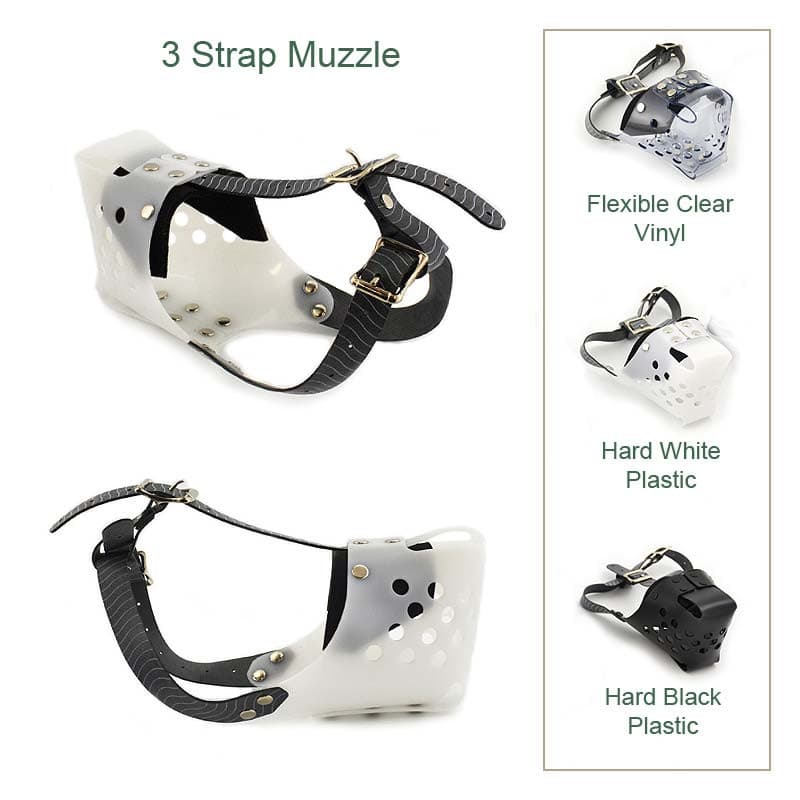
JAFCO Comfortable Dog Muzzles, Hard Plastic & Soft Flexible Versions
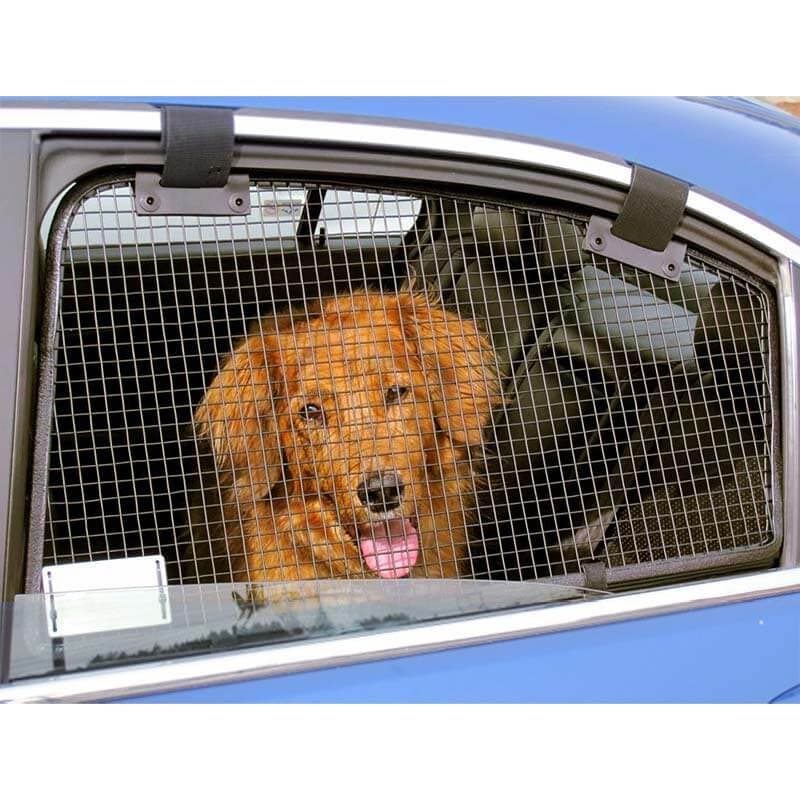
BreezeGuard Metal Car Window Guard Screens
Want 10% OFF Your First Order?
Let us email you a COUPON CODE right away. Valid for any purchase, today!
The Ultimate Veterinary Safety & Sizing Guide to Dog Collagen Sticks


As pet parents actively search for healthier, highly digestible alternatives to traditional rawhide and caloric treat options, single-ingredient natural chews have experienced exponential growth across the pet supply industry. Leading this movement are collagen sticks for dogs—long-lasting, protein-rich chews harvested from the nutrient-dense inner layer of cattle hide known as the corium.
While aggressively marketed as a modern upgrade to legacy pet treats, dog owners and veterinarians frequently ask: Are collagen sticks safe for dogs, or do they carry hidden risks for blockages, fractured teeth, and gastrointestinal distress?
The definitive answer is yes: high-quality beef collagen sticks for dogs are safe for the vast majority of healthy dogs when properly sized, sourced from reputable manufacturers, and consumed under human supervision. Unlike traditional rawhide chews, collagen products break down naturally in a dog’s acidic stomach environment, making them substantially less likely to cause dangerous intestinal blockages.
However, chew safety is never one-size-fits-all. A dog's specific weight class, jaw force, chewing behavior, age, and existing health conditions determine whether a collagen stick for dogs serves as a beneficial mental enrichment activity or a hazard. This comprehensive guide breaks down the biological science, sizing rules, safety protocols, and health benefits of these popular chews.
What Are Collagen Sticks Made Of?
To understand why collagen chew sticks are safe for dogs where rawhide fails, you must first examine their anatomical sourcing and processing.
Animal hide consists of two distinct structural layers:
-
The Outer Layer (Epidermis/Grain): Tough, fibrous, and resilient. This outer hide is typically transformed into leather products or heavily bleached and chemically treated to create traditional rawhide chews.
-
The Inner Layer (Corium): A naturally rich reservoir of Type I and Type III collagen peptides, elastin fibers, and connective tissue matrices.
When reputable manufacturers harvest beef corium, it undergoes minimal mechanical handling. The raw tissue is washed thoroughly with water or mild saline solution, tightly rolled into various stick densities, and slow-baked or dehydrated. Premium beef collagen stick options retain their natural protein structure without requiring artificial binders, synthetic preservatives, heavy glues, or chemical bleaches.
Why Collagen Sticks Are Safer Than Rawhide
The ongoing confusion over whether collagen treats are safe stems from their visual resemblance to traditional rawhide on store shelves. Despite looking similar, their physiological behavior within a dog's gastrointestinal tract is completely different.
|
Feature / Metric |
Traditional Rawhide |
Beef Collagen Sticks |
Bully Sticks |
|
Source Material |
Outer cattle hide |
Inner corium layer |
Bull pizzle (muscle) |
|
Gastric Digestibility |
Very Low (swells in stomach) |
High (85%–95%+ breakdown) |
Very High (95%+ breakdown) |
|
Chemical Processing |
High (bleach, formaldehyde, glues) |
Minimal (water-washed, heat-dried) |
Minimal (dehydrated/baked) |
|
Caloric Density |
Low |
Low–Moderate |
High (protein-dense) |
|
Splintering Risk |
High (sharp, hardened sheets) |
Low (softens into collagen gel) |
Low (shreds into muscle fibers) |
|
Fat Content |
Very Low |
Low (< 3–5%) |
Moderate–High (9–15%) |
The Digestibility Breakdown
Traditional rawhide relies on artificial cross-linking and industrial chemical processing, rendering it immune to gastric juices. When a dog gulps a large piece of rawhide, it absorbs digestive fluids and swells inside the stomach or intestine, creating a rubbery, life-threatening obstruction.
In contrast, collagen sticks are made of soluble structural proteins. Hydrolyzed by hydrochloric acid and pepsin in the canine stomach, beef corium softens into a digestible gel consistency within 1 to 3 hours. If a dog swallows a small remaining nub, stomach acids break down the peptides, allowing them to pass safely into the intestinal tract.
The Core Sizing Factors: Weight, Jaw Force, and Chewing Style
Providing your dog with safe chews requires accurate sizing. Selecting the wrong thickness or length can turn a beneficial treat into a potential choking hazard or cause digestive upset. To determine the ideal chew parameters for your dog, evaluate three primary factors: weight class, mouth and jaw anatomy, and individual chewing style.
Factor A: Body Weight & Caloric Allocation
A dog’s body weight determines the physical size of the chew required for safety as well as the maximum caloric load their body can process. As a general rule, treats and functional chews should never exceed 10% of a dog's total daily caloric intake. Because collagen treats for dogs are high in protein and moderate in calories, smaller dogs require thinner, shorter sticks fed less frequently to prevent temporary gastrointestinal overload or weight gain.
Factor B: Jaw Anatomy & Bite Force
Brachycephalic (short-muzzled) breeds like Bulldogs or Pugs process chews differently than dolichocephalic (long-muzzled) breeds like Dobermans or Greyhounds. Dogs with wide, powerful jaws generate significantly higher bite force per square inch, requiring denser, thicker collagen rolls to prevent them from snapping off large chunks.
Factor C: Chewing Persona
Every dog falls into one of three distinct chewing profiles:
- The Gentle Nibbler: Licks, soft-gnaws, and takes days to finish a single chew.
- The Moderate Engager: Chews steadily with premolars and molars, finishing a standard stick in 20 to 45 minutes.
- The Power Chewer / Gulper: Attempts to crush, snap, or swallow treats as quickly as possible.
Master Sizing & Frequency Guidelines
To keep your dog safe while maximizing the lifespan of the chew, match your dog’s weight and chewing style to the recommended parameters in this matrix:
|
Dog Weight Class |
Recommended Length |
Recommended Thickness |
Feeding Frequency |
|
Toy & Small (< 20 lbs) Examples: Frenchie, Chihuahua, Pug |
4" to 6" |
Thin / Petite (0.25" – 0.5") |
2 – 3x per week |
|
Medium (20 – 50 lbs) Examples: Aussie, Beagle, Border Collie |
6" to 12" |
Standard / Medium (0.5" – 0.75") |
2 – 3x per week |
|
Large (50 – 80 lbs) Examples: Golden, Lab, German Shepherd |
12" minimum |
Thick / Jumbo (0.75" – 1.0") |
1 – 2x per week |
|
XL / Power Chewer (> 80 lbs) Examples: Great Dane, Mastiff, Rottweiler |
12" Jumbo or Braided |
Monster / Braided (1.0"+) |
1 – 2x per week |
Detailed Category Profiles
Small Dogs
Small dogs have narrow vocal cords and small digestive tracts, making size precision critical to avoid blockages.
- Recommended Length: 4" to 6"
- Recommended Thickness: Thin / Petite (0.25" to 0.5" diameter)
- Feeding Frequency: 2 to 3 times per week
- Safety Tip: Ensure the chew is wide enough that it cannot fit entirely inside the mouth all at once.
Medium Dogs
Medium breeds possess moderate to high bite forces and benefit from longer chews that extend beyond their mouth line while gnawing.
- Recommended Length: 6" to 12"
- Recommended Thickness: Standard / Medium (0.5" to 0.75" diameter)
- Feeding Frequency: 2 to 3 times per week
- Safety Tip: If your medium-sized dog is an aggressive chewer, upgrade directly to thick or braided options.
Large Dogs
Large dogs can easily swallow smaller 4-inch or 6-inch sticks whole. Always opt for 12-inch options. If you go through them quickly, stock up on bulk collagen sticks for dogs to ensure you always have appropriate sizes on hand.
- Recommended Length: 12" minimum
- Recommended Thickness: Thick / Jumbo (0.75" to 1.0" diameter)
- Feeding Frequency: 1 to 2 times per week
- Safety Tip: Always remove the stick once it is chewed down to the final 2 to 3 inches.
XL Breeds & Power Chewers
For giant breeds and power chewers, single-strand collagen sticks may be consumed too quickly. Multi-strand options provide greater mechanical resistance.
- Recommended Length: 12" Jumbo or Braided
- Recommended Thickness: Monster / Braided (1.0"+ diameter)
- Feeding Frequency: 1 to 2 times per week
- Safety Tip: Braided collagen sticks—where 3 separate sticks are woven together before drying—offer enhanced durability against extreme jaw pressure.
Are Collagen Sticks Safe for Dogs' Teeth?
Veterinary dentists evaluate chew safety using the "Fingernail Test": if a chew is so hard that you cannot indent it with a thumbnail, or if hitting it against your knee hurts, it poses a risk for slab fractures (particularly on the upper fourth premolars).
Dental Benefits
-
Plaque and Tartar Scrape: As a dog chews, saliva moistens the tip, causing the fibers to yield slightly while maintaining firm mechanical friction. This creates a scrubbing motion along the gumline that helps strip soft plaque before it hardens into calculus.
-
Salivary Stimulation: Continuous chewing stimulates salivary glands. Dog saliva contains bicarbonate ions and natural enzymes that neutralize oral acids and slow down bacterial growth.
-
Pliable Fibers vs. Hard Antlers: Unlike elk antlers, yak cheese chews, or natural bones—which cause tooth fractures—collagen fibers expand and soften upon contact with saliva.
While these chews are safe for healthy adult teeth, they are not recommended for young puppies under 12 weeks (whose deciduous teeth are fragile) or senior dogs with advanced periodontal disease, loose teeth, or exposed roots.
Health Benefits: Beyond Simple Chewing
Knowing the key collagen sticks for dogs benefits helps owners understand why they are superior to standard treats. When digested, collagen breaks down into essential amino acids, specifically glycine, proline, and hydroxyproline.
-
Joint and Cartilage Support: Type I and Type III collagen supply the structural building blocks necessary to support the extracellular cartilage matrix. Regular collagen intake helps reduce joint inflammation, promotes synovial fluid production, and supports mobility in aging dogs or active working breeds. Many premium sticks also naturally retain trace levels of chondroitin and glucosamine.
-
Gut Lining Integrity: Glycine plays a pivotal role in protecting the mucosal lining of the canine gastrointestinal tract. By supporting tight junction stability in the intestine, collagen peptides can aid dogs prone to mild food sensitivities or loose stools.
-
Skin, Coat, and Nail Strength: Dermis structure is overwhelmingly composed of collagen. Supplemental collagen amino acids support skin elasticity, reduce dander and seasonal shedding, and strengthen brittle, cracking nails.
Brand Spotlights & Community Insight
Are Redbarn Collagen Sticks Safe for Dogs?
Redbarn Pet Products is a pioneer manufacturer of single-ingredient beef collagen chews. A review of their manufacturing protocols highlights several safety factors:
-
Sourcing and Testing: Redbarn utilizes beef corium sourced from free-range cattle, processed in facilities certified under GFSI (Global Food Safety Initiative) standards.
-
Chemical-Free Processing: Their collagen sticks are dried without artificial bleaching agents, artificial flavors, synthetic preservatives, or toxic chemicals.
-
Low Odor Formulations: Unlike raw bully sticks, Redbarn’s slow-bake process dehydrates moisture effectively, reducing bacterial growth risks and keeping odor minimal.
Verdict: Yes, Redbarn collagen sticks are safe for dogs, provided you purchase the correct size for your pet's weight class and chewing intensity.
Real Pet Owner Perspectives from Reddit
A synthesis of firsthand experiences from subreddits like r/DogAdvice, r/puppy101, and r/dogs reveals clear consensus patterns:
Positive Feedback
-
Longevity for Moderate Chewers: Many owners report 6-inch and 12-inch collagen sticks outlasting bully sticks by 30% to 50% for breeds like Golden Retrievers, Labs, and Shepherds.
-
Low Stink: Compared to bully sticks, collagen sticks emit minimal foul odor, making them popular for indoor use.
-
Gentler on Sensitive Stomachs: Owners of dogs prone to diarrhea from high-fat bully sticks report that low-fat beef collagen sticks rarely trigger gastrointestinal upset.
Community Warnings
-
Gulping the Final Nub: The top warning across Reddit threads concerns the last 1 to 2 inches of the stick. Fast eaters often attempt to swallow the remaining end whole, creating a temporary choking hazard.
-
Varying Thicknesses: Because collagen is a natural animal product, stick thickness varies within the same bag. Power-chewing breeds can crush thin collagen sticks rapidly.
-
Sticky Residue: As the chew dissolves under saliva, it forms a gelatinous, slightly tacky residue that can stain carpet or furniture fabric if not used on a wipeable surface or pet mat.
Step-by-Step Implementation Protocol
To ensure maximum benefit while mitigating safety risks, follow this simple protocol:
-
Measure the Mouth Span: Select a stick length that extends at least 2 to 3 inches beyond both sides of your dog's mouth when held horizontally across their jaws.
-
Anchor in a Safety Device: Insert the end of the collagen stick into a rubber chew holder or safety clamp. This prevents power chewers from swallowing the soft, slippery end-piece.
-
Monitor the First 15 Minutes: Observe your dog to ensure they are using their back molars to break down the fibers rather than trying to crush the stick with their front teeth.
-
Inspect and Store: Limit sessions to 20–30 minutes. Wipe off excess saliva, air-dry the stick in a well-ventilated area, and discard any small or fractured pieces.
Special Health & Dietary Considerations
While collagen sticks are naturally low in fat and highly digestible, adjust feeding frequency under the following conditions:
-
Sensitive Stomachs: If introducing collagen for the first time, limit the first session to 10 minutes. Observe stool consistency over the next 24 hours before offering another chew.
-
Pancreatitis History: Collagen sticks typically contain less than 3% fat, making them suitable for dogs needing low-fat treats. However, always factor the treat's protein density into their overall daily food plan.
-
Protein Allergies: Standard collagen sticks are derived from beef corium. If your dog has a confirmed beef allergy, opt for alternative collagen sources like pork or marine-derived chews.
Frequently Asked Questions
Yes, high-quality 100% beef collagen sticks are naturally low in fat (typically under 3% fat content), making them a safer choice than bully sticks or pig ears for dogs with a history of pancreatitis or weight management needs. Always clear new treats with your vet first.
If a dog has a confirmed canine beef protein allergy, standard beef collagen sticks will likely trigger an allergic flare-up. Look for alternative collagen sources, such as pork or marine collagen chews, if your pet is sensitive to beef.
For most healthy dogs, 2 to 3 collagen stick chewing sessions per week are ideal. While digestible, treats and chews should not exceed 10% of your dog’s total daily caloric intake.
Puppies over 12 to 16 weeks of age who have established adult teeth can safely enjoy thin collagen sticks under supervision. Avoid giving dense or jumbo collagen sticks to young puppies with baby teeth.
Final Verdict
Are collagen sticks safe for dogs? Yes—when evaluated against rawhide, synthetic nylon bones, and hard antlers, single-ingredient beef collagen sticks emerge as one of the safest, most beneficial natural chews available today.
They combine high gastrointestinal digestibility, gentle mechanical dental cleaning, low fat levels, and systemic joint and coat benefits into a long-lasting chew. If you are ready to buy collagen sticks for dogs, ensure you choose trusted brands, select appropriate sizes, and utilize safety chew holders to prevent swallowing small ends so your pet can safely enjoy their new favorite chew.
 Contact Us
- Choosing a selection results in a full page refresh.
- Press the space key then arrow keys to make a selection.