

 support@petexpertise.com

Top Products
4 Simple Steps Anyone Can Use to Stop Their Dog from Pulling on a Leash
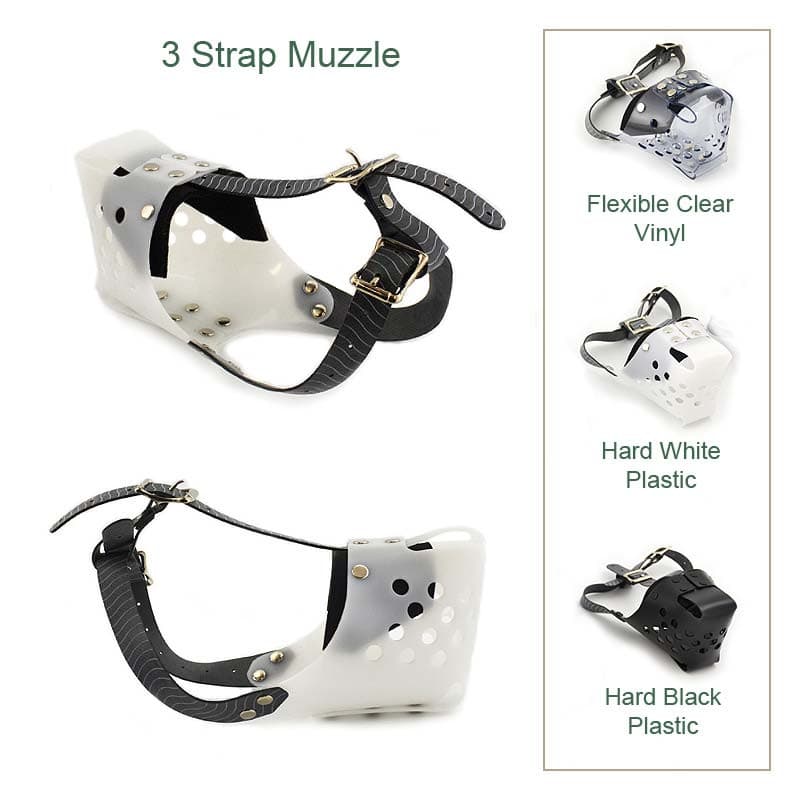
JAFCO Comfortable Dog Muzzles, Hard Plastic & Soft Flexible Versions
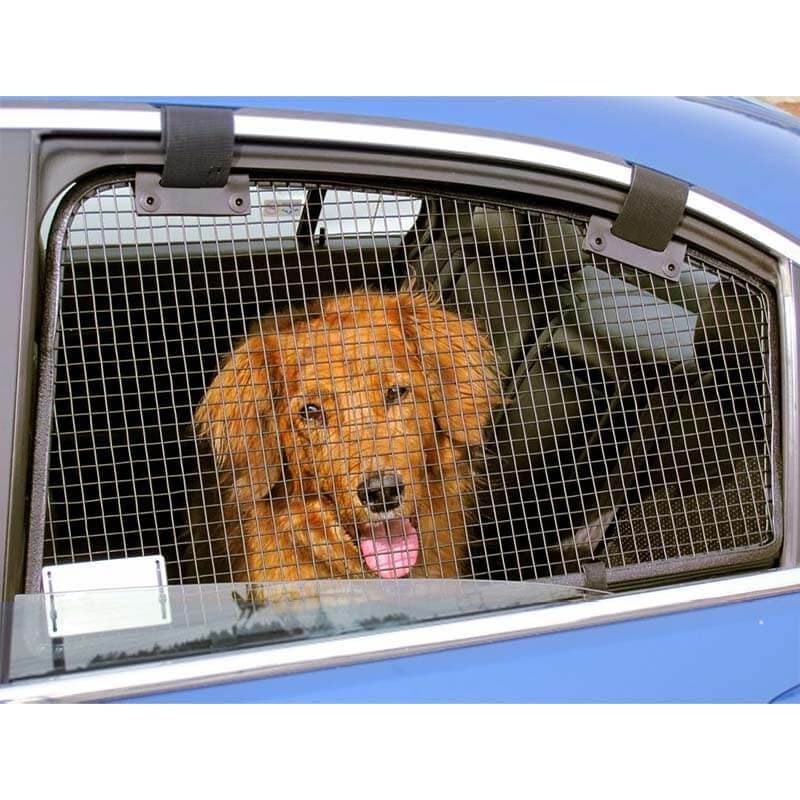
BreezeGuard Metal Car Window Guard Screens
Want 10% OFF Your First Order?
Let us email you a COUPON CODE right away. Valid for any purchase, today!
Antler Dog Chew Toys vs Bully Sticks: Which Natural Dog Chew Is Better?


Choosing between antler dog chew toys vs bully sticks can feel confusing when both are marketed as natural dog chews for heavy chewers. This guide breaks down how elk antlers and beef bully sticks compare on durability, digestibility, nutrition, safety, and fit for different chewing styles so you can pick the right dog chew treats for your pet.
What Are Antler Chews for Dogs?
Antler chews for dogs are shed elk or deer antlers sold as antler dog chew toy options. They are mineral-dense, long-lasting, and often chosen for power chewers who destroy softer treats quickly.
How Antlers Are Sourced and Processed
Most antler for dog chew products come from naturally shed antlers collected in the wild or from regulated farms. They are cleaned, sometimes split, and sold as whole or split pieces. Split antlers expose the softer inner marrow, which can make them easier to start chewing.
Nutritional Profile of Antler Chews
Antlers are primarily composed of dense bone-like material rich in calcium and phosphorus. As a dog gnaws, tiny particles are worn away and ingested, contributing small amounts of minerals. However, antlers are not a complete nutritional treat; they function more as a durable dog chews option with incidental mineral intake rather than a balanced snack.
What Are Bully Sticks for Dogs?
Bully sticks for dogs are single-ingredient chews made from dried beef muscle, typically the bull's pizzle. They are widely used as long lasting dog chews that soften with saliva and are gradually consumed.
How Bully Sticks Are Made
Quality bully sticks for large dogs are air-dried or oven-dried without added chemicals. Some brands offer odor-free versions through extended drying or light smoking. The result is a protein-rich chew that breaks down over time.
Nutritional Profile of Bully Sticks
Bully sticks are high in protein and moderate in fat, making them a calorie-dense dog chew treats option. Because they are fully digestible, they are often preferred over rawhide for dogs with sensitive stomachs, though portion control is still important for weight management.
Durability: Antler Dog Chew Toy vs Bully Sticks for Large Dogs
Durability is often the first factor pet parents consider when weighing antler dog chew toys vs bully sticks.
How Long Do Antler Chews Last?
Whole antler chews for dogs can last weeks or even months for moderate chewers. Split antlers wear down faster due to exposed marrow. For aggressive chewers, antlers may be one of the few options that do not disappear in a single session.
How Long Do Bully Sticks Last?
Standard bully sticks for dogs last anywhere from 30 minutes to several hours depending on thickness and chewing style. Thick or jumbo bully sticks for large dogs extend chew time, but fast chewers may still finish them in one sitting.
Which Is More Durable?
If your goal is maximum longevity, antler dog chew toy options generally outlast bully sticks for large dogs. However, that extreme durability comes with trade-offs in safety and dental risk, which we cover next.
Digestibility and Gut Safety
Digestibility determines how safely a chew passes through your dog's system once small pieces are swallowed.
Are Antler Chews Digestible?
Antlers are not designed to be fully digestible. Small shards worn off during gnawing may pass without issue for some dogs, but larger fragments can pose a risk of gastrointestinal irritation or obstruction, especially if a piece breaks off unexpectedly.
Are Bully Sticks Digestible?
Bully sticks for dogs are widely regarded as fully digestible when sourced from reputable suppliers. They soften in the mouth and break down into smaller, easier-to-digest pieces. This makes them a safer choice for dogs that tend to gulp rather than gnaw.

Which Is Gentler on the Stomach?
For most dogs, bully sticks for large dogs and smaller breeds alike are gentler on the digestive tract than antler chews for dogs. Dogs with sensitive stomachs or a history of GI issues often do better with digestible chews under supervision.
Dental Health and Safety Risks
Dental safety is a critical part of choosing between antler dog chew toys vs bully sticks.
Tooth Fracture Risk with Antlers
Veterinary dental sources frequently caution that very hard chews like antlers can cause slab fractures or cracks in teeth, especially in dogs that bite down with significant force. The risk is higher with whole antlers and dogs that attempt to snap chews rather than gnaw them.
Choking and Blockage Risks
Both antler dog chew toy pieces and bully sticks for dogs can become choking hazards once they are worn down to small "nubs." The general safety rule is to remove any chew once it is small enough to be swallowed whole, typically around two to three inches.
Which Is Safer for Teeth?
Softer, digestible chews like bully sticks for large dogs are generally safer for dental health than extremely hard antler chews for dogs. For dogs with existing dental work, weak teeth, or a history of fractures, avoiding very rigid chews is often recommended.
Suitability for Different Chewing Styles
Matching the chew to your dog's chewing style reduces risk and improves satisfaction.
Light to Moderate Chewers
Light chewers often do well with standard bully sticks for dogs or thinner antler dog chew toy pieces under close supervision. The goal is to provide enough resistance to satisfy without risking tooth damage.
Aggressive or Power Chewers
Power chewers may shred standard bully sticks for large dogs quickly. In these cases, thicker bully sticks or carefully monitored antler chews for dogs may be considered. However, if a dog tends to bite hard rather than gnaw, antlers may not be appropriate due to fracture risk.
Puppies and Senior Dogs
Puppies and seniors benefit from softer, easily digestible options. Bully sticks for dogs in appropriate sizes are often a better fit than hard antler dog chew toy products, which can be too rigid for developing or aging teeth.
Cost and Value Over Time
Cost is another practical factor when comparing antler dog chew toys vs bully sticks.
Upfront Cost
Whole or split antlers often have a higher upfront cost per piece compared to individual bully sticks for dogs. However, their extended lifespan can make them cost-effective for certain chewers.
Long-Term Value
For dogs that destroy bully sticks for large dogs in minutes, antlers may offer better value over time. For moderate chewers, bully sticks for dogs in bulk can be an economical and satisfying option without the dental risks associated with very hard chews.
How to Choose the Right Natural Dog Chews for Your Dog
Selecting between antler chews for dogs and bully sticks for dogs depends on your dog's size, chewing style, dental health, and digestive sensitivity.
- If your dog is a power chewer with strong teeth and you prioritize longevity, a supervised antler dog chew toy may fit.
- If your dog gulps, has sensitive teeth, or you want a fully digestible option, bully sticks for large dogs or standard bully sticks for dogs are often the safer choice.
- For variety, many pet parents rotate between different natural dog chews to keep enrichment high while managing risk.
Always supervise chewing sessions, remove small pieces promptly, and consult your veterinarian if your dog has a history of dental fractures or gastrointestinal issues.
Conclusion
Both antler dog chew toys vs bully sticks have a place in a well-rounded chew routine, but they serve different needs. Antlers offer extreme durability for select power chewers, while bully sticks for dogs provide a digestible, protein-rich, and generally safer option for most pets. At Pet Expertise, you can explore a range of natural dog chews, durable dog chews, and other dog chew treats to match your dog's unique chewing style and health needs.
Frequently Asked Questions
1. Are antler chews for dogs safer than bully sticks for dogs?
2. Which lasts longer: an antler dog chew toy or bully sticks for large dogs?
3. Can puppies have antler chews for dogs or bully sticks for dogs?
4. Are bully sticks for large dogs good for dogs with sensitive stomachs?
5. How do I know if my dog needs long lasting dog chews like antlers?
 Contact Us

- Choosing a selection results in a full page refresh.
- Press the space key then arrow keys to make a selection.