

 support@petexpertise.com
Top Products
4 Simple Steps Anyone Can Use to Stop Their Dog from Pulling on a Leash
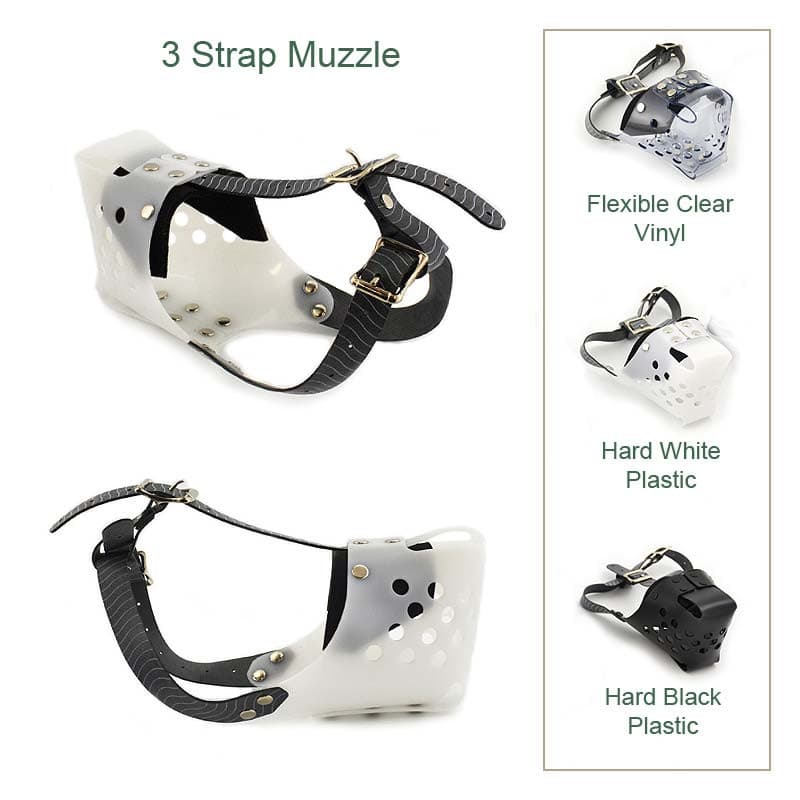
JAFCO Comfortable Dog Muzzles, Hard Plastic & Soft Flexible Versions

BreezeGuard Metal Car Window Guard Screens
Want 10% OFF Your First Order?
Let us email you a COUPON CODE right away. Valid for any purchase, today!
Are Bully Sticks Safe for Puppies? Everything You Need to Know


Bringing home a puppy comes with plenty of excitement, playful moments, and a few challenges. One common challenge is finding the right things for your puppy to chew. Puppies naturally explore the world with their mouths, and chewing can become even more noticeable during teething. This is why many pet parents consider bully sticks for puppies as an option. However, before introducing these popular chews, it is important to understand their benefits, potential risks, and the precautions that help keep young dogs safe.
Bully sticks can be suitable for some puppies when they are developmentally ready and the chew is appropriate for their size and chewing habits. However, they are not completely risk-free. Choosing the right product and supervising every chewing session are essential for making an informed decision.
What Are Bully Sticks?
Bully sticks are edible dog chews typically made from dried bull or steer pizzle. They are usually available in different lengths and thicknesses, giving pet owners several options for different dog sizes and chewing styles.
Many dogs enjoy bully sticks because of their natural animal-based flavor and chewy texture. They provide an engaging activity and can offer an alternative to chewing furniture, shoes, and other household objects.
Unlike reusable rubber toys, bully sticks are intended to be eaten. This means they should be treated as edible treats rather than permanent chew toys. Their calories, digestibility, and potential choking hazards should all be considered before offering one to a puppy.
Are Bully Sticks Safe for Puppies?
Yes, bully sticks may be appropriate for some puppies, but suitability depends on the individual dog. Age alone does not determine whether a puppy is ready. Dental development, chewing ability, size, and the hardness of the product are equally important.
Very young puppies may benefit more from softer, puppy-specific chew toys, particularly when their gums are sensitive. Puppies that bite aggressively or try to swallow treats quickly may also be at greater risk when given an edible chew.
Always supervise your puppy closely while chewing. Even a product marketed for puppies can cause choking if a large piece breaks off or the remaining end becomes small enough to swallow. If you are unsure whether your puppy is ready, ask your veterinarian for guidance.
Benefits of Puppy Bully Sticks
When appropriately selected, puppy bully sticks can provide several benefits as part of a balanced routine.
They Encourage Appropriate Chewing
Chewing is a natural behavior for puppies. Providing a suitable chew gives them an acceptable outlet for this instinct and may help redirect their attention from furniture, shoes, and other unsuitable objects.
Chews work best alongside positive reinforcement. Praise your puppy for choosing appropriate toys and redirect unwanted chewing consistently.
They Provide Mental Stimulation
Working on a chew can give puppies an engaging activity that encourages focus. This can be useful during quiet periods when your puppy needs something to do after play or training.
However, chewing should not replace walks appropriate for your puppy's development, socialization, play, or training.
They Can Support Calm Routines
Some puppies settle more easily when given an appropriate supervised activity. A suitable chew may help create a calm routine after an active period.
Every puppy is different, so observe your dog's behavior. If chewing causes frustration, guarding, or excessive excitement, discontinue the session and consider another enrichment activity.
Understanding Bully Stick Safety: Risks Every Owner Should Know
Although bully sticks can be enjoyable for dogs, understanding the risks is essential before introducing them to a young puppy.
Choking Hazards
Choking is one of the main concerns associated with edible chews. As a bully stick becomes shorter, a puppy may attempt to swallow the remaining piece whole. This can cause choking or an obstruction in the digestive tract.
Choose a product with a suitable size and thickness for your puppy, and remove it before the remaining piece becomes small enough to swallow. A chew holder designed for bully sticks may help secure the end, but it does not eliminate the need for supervision.
Digestive Problems
Bully sticks contain protein and calories. Eating too much or introducing a new treat too quickly may cause digestive upset, including vomiting or diarrhea.
Start cautiously and observe your puppy's response. If your puppy has a sensitive stomach or an existing digestive condition, consult your veterinarian before introducing animal-based chews.
Dental Concerns
Puppies' teeth and gums change as they grow. A chew that is too hard may cause discomfort or damage developing teeth, particularly if the puppy bites down forcefully.
Avoid choosing a bully stick solely because it is thick or long-lasting. The texture should be appropriate for your puppy's dental development. Ask your veterinarian about softer alternatives if your puppy is actively teething.
Excess Calories
Bully sticks should complement a complete and balanced puppy diet, not replace regular meals. Frequent chewing sessions may add more calories than expected, potentially affecting your puppy's nutritional balance.
Keep treats appropriate for your dog's size and account for them within the daily feeding routine.

How to Choose the Best Puppy Chews
Finding the best puppy chews requires more than selecting a popular product. Your puppy's age, size, chewing strength, and eating habits should guide your decision.
Choose an appropriately sized chew that your puppy cannot easily gulp down. Avoid options that are excessively hard, brittle, or small enough to swallow whole. Check the packaging for ingredients, feeding instructions, and age or size recommendations.
Consider your puppy's chewing style as well. A gentle chewer may handle an appropriate edible chew differently from a puppy that bites aggressively or attempts to swallow large pieces. If your puppy tends to gulp treats, a different type of enrichment may be a better choice.
Look for products from reputable sellers that provide clear product information. Natural ingredients can be appealing, but natural does not automatically mean risk-free.
Tips for Giving Bully Sticks to Puppies Safely
Before offering a bully stick, consider your puppy's developmental stage and ask your veterinarian if you have concerns about dental health or chewing readiness.
Introduce the chew in a quiet environment and remain close enough to intervene. Watch how your puppy handles it, and remove it immediately if your puppy tries to swallow large pieces, chews aggressively, or struggles with the texture.
Keep chewing sessions supervised and follow the manufacturer's instructions. There is no single session length that is suitable for every puppy. Remove the stick when it becomes too small to handle safely, and discard it if it becomes contaminated or damaged.
Wash your hands after handling animal-based chews, store unused products according to the packaging, and keep them away from children and other pets.
If your puppy experiences choking, difficulty breathing, repeated vomiting, abdominal pain, or difficulty passing stool after chewing, seek veterinary care promptly. Difficulty breathing is an emergency.
Are There Alternatives to Bully Sticks for Teething Puppies?
If your puppy is too young for an edible chew or has sensitive gums, puppy-specific alternatives may be more appropriate.
Soft teething toys can provide a gentler chewing experience, while appropriately designed rubber toys may offer a reusable option. Some food-stuffily toys also provide mental stimulation when used according to the manufacturer's instructions.
Choose toys that match your puppy's size and chewing strength. Inspect them regularly and remove any toy that begins to break apart or release pieces.
No chew is completely risk-free. The goal is to find an option that suits your puppy's development while providing a safe, supervised outlet for natural chewing behavior.
Conclusion
Choosing the right chew for your puppy comes down to balancing safety, chewing needs, dental development, and overall health. Bully sticks can be a suitable option for some puppies when they are developmentally ready, appropriately sized, and closely supervised. However, softer puppy-specific chew toys may be a better choice for young dogs with sensitive gums or developing teeth.
Before introducing a new chew, consider your puppy's age, chewing habits, and nutritional needs. Always supervise chewing sessions and consult your veterinarian if you are unsure which option is appropriate.
With the right approach, you can help your puppy enjoy a more positive and engaging chewing routine. Explore the Puppy Chews and Bully Sticks Collection at Pet Expertise, or contact our team for assistance finding suitable chewing products for your dog's needs.
Frequently Asked Questions
1. At what age can puppies have bully sticks?
2. Can bully sticks help puppies with teething?
3. How long should a puppy chew on a bully stick?
4. Can bully sticks cause diarrhea in puppies?
5. What are the safest alternatives to bully sticks for puppies?
 Contact Us
- Choosing a selection results in a full page refresh.
- Press the space key then arrow keys to make a selection.