

 support@petexpertise.com
Top Products

4 Simple Steps Anyone Can Use to Stop Their Dog from Pulling on a Leash
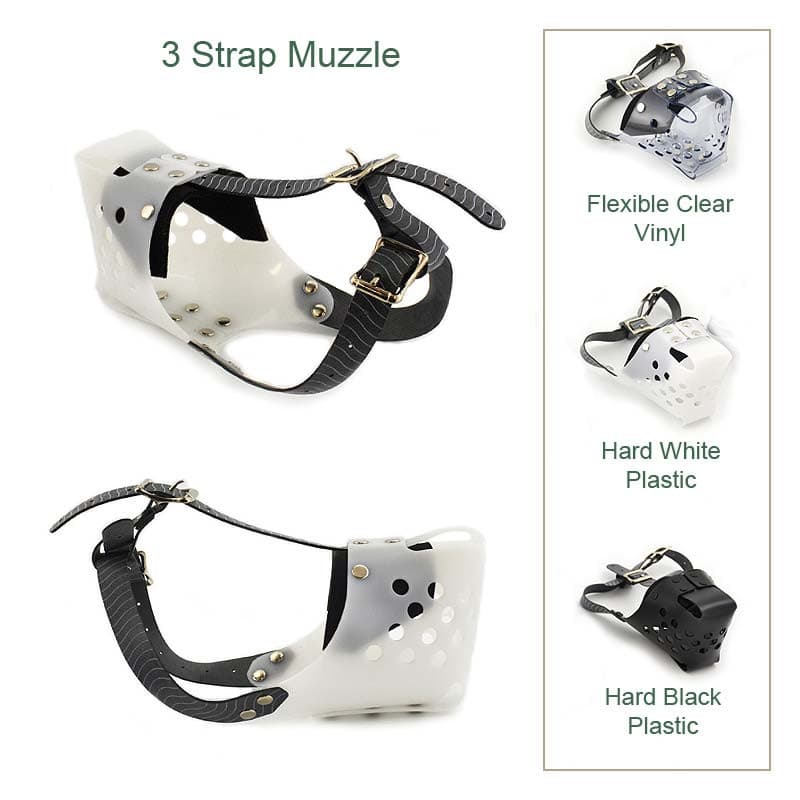
JAFCO Comfortable Dog Muzzles, Hard Plastic & Soft Flexible Versions
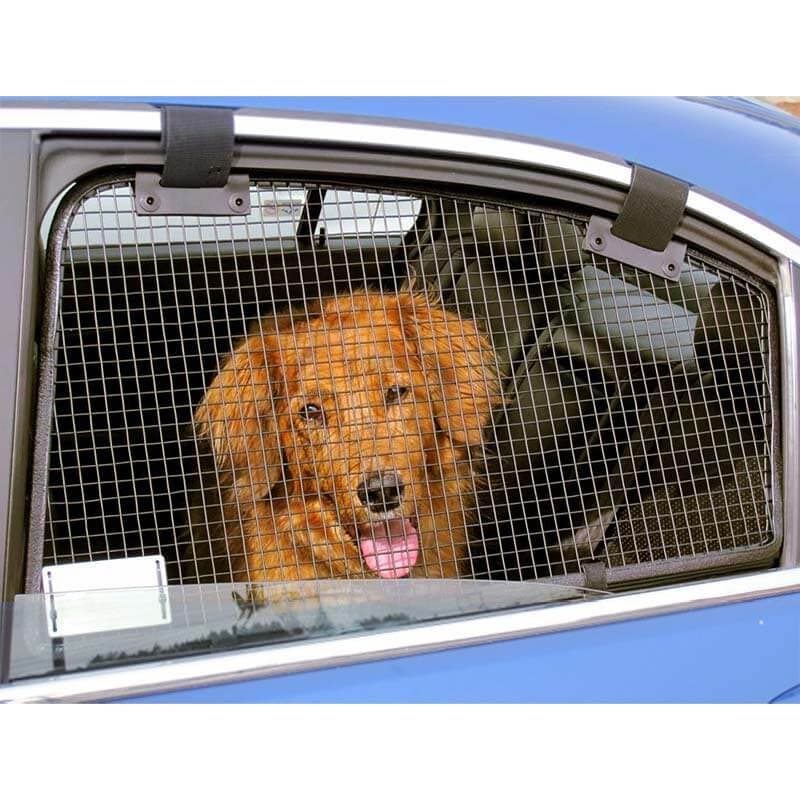
BreezeGuard Metal Car Window Guard Screens
Want 10% OFF Your First Order?
Let us email you a COUPON CODE right away. Valid for any purchase, today!
Are Chewing Toys for Dogs: Good for Mental Stimulation?


Chewing toys for dogs are one of the most effective ways to support mental stimulation, emotional balance, and healthy behavior. While many pet owners focus on physical exercise, dogs also need structured mental challenges to stay happy and calm. Without proper enrichment, boredom and frustration can quickly turn into destructive habits.
Dogs are naturally curious and instinct driven animals. Chewing is not just a habit; it is a built in behavior that helps them explore their environment and release energy. When directed properly, this instinct becomes a powerful tool for cognitive development. A well designed dog chewy toy can transform idle time into focused mental activity.
In this detailed guide, you will learn how healthy dog chew toys stimulate the brain, how toys to distract dogs reduce anxiety, and how to choose the best options for different life stages.
Why Mental Stimulation Is Essential for Dogs
Mental stimulation is just as important as physical exercise. Dogs were originally bred to work, track, herd, guard, and retrieve. Even companion breeds retain these instincts. When those instincts are not satisfied, frustration builds up internally.
Chewing toys for dogs provide a structured outlet for that mental energy. Instead of creating their own entertainment by chewing furniture or digging indoors, dogs focus on safe, productive engagement. Over time, this creates better behavioral patterns and improves emotional stability.
A mentally stimulated dog is calmer, more focused, and easier to train. Structured enrichment reduces impulsive reactions and supports balanced behavior.
Signs Your Dog May Be Mentally Bored
If your dog lacks mental engagement, certain patterns may appear consistently.
· Repeated chewing of household items despite regular physical exercise
· Restless pacing around the home during quiet hours
· Excessive barking without clear triggers
· Difficulty settling down at night
· Over excitement when minimal stimulation occurs
Healthy dog chew toys help redirect these behaviors by providing focused mental tasks.
How Chewing Toys for Dogs Stimulate the Brain
Chewing activates several sensory systems at once. The texture stimulates nerve endings in the mouth. The resistance challenges jaw muscles. Scent and flavor enhance curiosity. This multi sensory engagement keeps the brain active.
When dogs use toys to distract dogs, they often need to adjust their grip, apply different pressure, or manipulate angles. These actions require problem solving skills. Instead of passive play, chewing becomes an interactive cognitive task.
A dog chewy toy essentially becomes a mental puzzle. This puzzle format builds patience and persistence. The brain remains focused for extended periods, leading to healthy mental fatigue.
Cognitive Benefits of Chewing
Regular use of chewing toys for dogs supports cognitive development in several ways.
· Strengthens problem solving abilities through manipulation and strategy
· Improves attention span and focus during training
· Encourages persistence and resilience
· Enhances sensory awareness
· Supports emotional regulation through calm engagement
Mental fatigue from structured chewing is healthier than overstimulation from chaotic activity.
Chewing Toys for Dogs and Boredom Prevention
Boredom is one of the leading causes of destructive behavior. Even active dogs can become mentally under stimulated. Physical activity alone does not fully satisfy cognitive needs.
Chewing toys for dogs act as preventative tools. They redirect chewing instincts toward appropriate objects. Over time, dogs develop positive associations with these safe alternatives.
Toys to distract dogs are especially helpful during alone time. When introduced properly, they reduce anxiety and help dogs remain calm when separated from their owners.
Effective Ways to Use Chew Toys
Strategic use increases effectiveness.
· Rotate healthy dog chew toys weekly to maintain novelty and interest
· Introduce interactive chewing sessions during peak energy periods
· Offer a dog chewy toy before leaving home to encourage calm independence
· Use structured chewing time after walks to transition from excitement to relaxation
· Gradually introduce new textures to keep mental stimulation consistent
This approach prevents boredom while reinforcing positive habits.
Emotional Benefits of Healthy Dog Chew Toys
Chewing releases calming chemicals in the brain. This natural process reduces stress and anxiety. For nervous dogs, structured chewing becomes a soothing activity.
Healthy dog chew toys also create a sense of achievement. When dogs successfully interact with challenging textures or designs, confidence increases. That confidence improves overall emotional balance.
Consistent mental stimulation through chewing strengthens resilience. Dogs become less reactive to small stressors and more adaptable to change.
Emotional Improvements You May Notice
Over time, chewing toys for dogs can produce noticeable emotional benefits.
· Reduced anxiety during storms or loud noises
· Better ability to settle after play sessions
· Increased independence during alone time
· Less attention seeking behavior
· More consistent calm behavior indoors
These improvements contribute to a peaceful household environment.

Choosing the Right Chewing Toys for Dogs
Not all toys provide equal mental value. To maximize benefits, selection matters. The ideal dog chewy toy should challenge without overwhelming.
Durability is essential. A toy that breaks quickly reduces engagement. Size should match your dog’s breed and jaw strength. Texture should encourage exploration rather than passive chewing.
Healthy dog chew toys made from safe materials ensure long term use. Always supervise new toys initially to confirm safe interaction.
What to Look For in Quality Chew Toys
Consider these detailed factors when selecting chewing toys for dogs.
· Durable construction that withstands repeated use
· Varied textures to enhance sensory stimulation
· Proper sizing to prevent choking risks
· Safe materials designed for canine use
· Interactive elements that promote active manipulation
Thoughtful selection ensures lasting mental engagement.
Are Chewing Toys for Dogs Suitable for All Ages?
Yes, but adjustments are important. Puppies, adults, and senior dogs have different needs.
Puppies benefit from softer textures that soothe teething discomfort. Adult dogs require stronger resistance for meaningful stimulation. Seniors may need moderate resistance to protect aging teeth.
Mental enrichment should continue throughout life. Chewing toys for dogs can be adapted to match changing needs.
Age Based Recommendations
Each life stage benefits differently.
· Puppies need gentle yet durable textures
· Adults require stronger resistance to stay challenged
· Seniors benefit from slightly softer designs
· All ages thrive with consistent structured routines
· Regular monitoring ensures continued suitability
Matching the toy to age enhances both safety and mental benefit.
Chewing Toys for Dogs and Training Support
Chewing can improve training outcomes. After engaging with a dog chewy toy, many dogs appear calmer and more focused. Reduced excess energy allows better attention during learning sessions.
Healthy dog chew toys can also serve as structured rewards. Instead of reacting to unwanted behavior, redirect energy toward toys to distract dogs.
This positive reinforcement approach builds trust and strengthens behavioral consistency.
Training Advantages
When integrated properly, chewing toys for dogs can:
· Improve focus before obedience sessions
· Reduce impulsive reactions
· Encourage patience and discipline
· Support positive reward systems
· Reinforce structured routines
Training becomes smoother when mental needs are addressed.
Mental Stimulation vs Physical Exercise
Physical exercise strengthens muscles. Mental stimulation strengthens cognitive pathways. Both are necessary for balance.
Chewing toys for dogs fill the gap between physical and mental engagement. After walks or playtime, structured chewing helps transition into calm behavior.
Balanced routines produce stable, predictable behavior patterns.
Building a Balanced Routine
To maximize benefits:
· Start with physical activity to release excess energy
· Follow with structured chewing sessions
· Rotate healthy dog chew toys regularly
· Adjust intensity based on energy levels
· Maintain consistent daily enrichment schedules
This structure ensures long term mental health.

Conclusion
Chewing toys for dogs are powerful tools for mental stimulation, emotional balance, and behavioral improvement. When used consistently, a well selected dog chewy toy transforms idle time into focused cognitive activity. It reduces boredom, lowers anxiety, and builds healthier habits.
Healthy dog chew toys provide more than entertainment. They create structure, encourage problem solving, and strengthen emotional stability. Dogs of all ages benefit from structured chewing routines that support lifelong mental wellness.
At Pet Expertise, we believe mental enrichment is essential for every dog. If you want to improve your dog’s focus, reduce destructive behavior, and create a calmer home environment, explore expert guidance and carefully selected solutions at Pet Expertise today. Give your dog the structured mental stimulation they deserve with the right chewing toys for dogs.
FAQs
 Contact Us
- Choosing a selection results in a full page refresh.
- Press the space key then arrow keys to make a selection.