

 support@petexpertise.com

Top Products

4 Simple Steps Anyone Can Use to Stop Their Dog from Pulling on a Leash
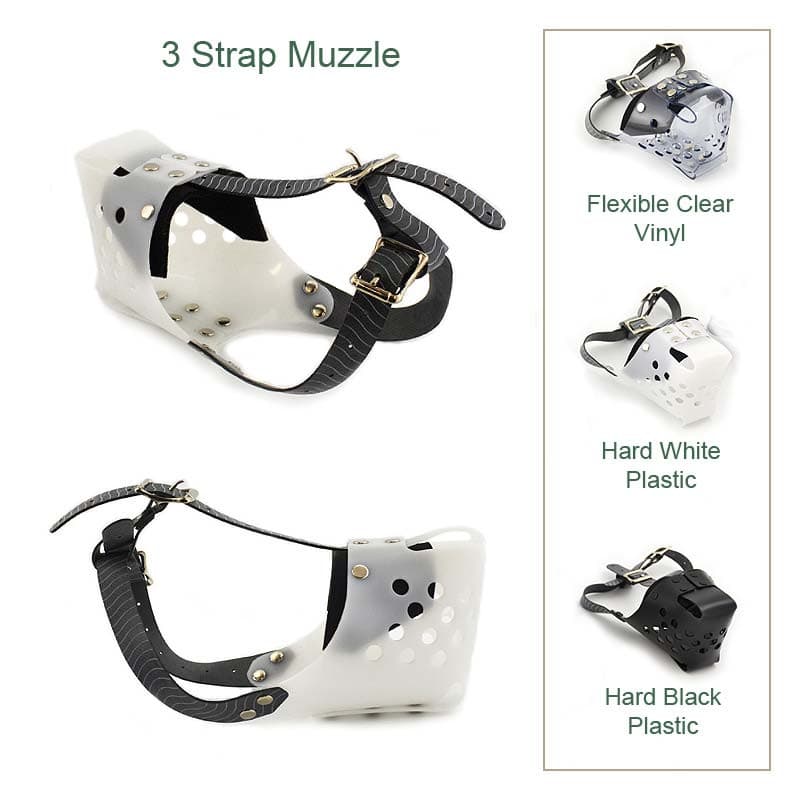
JAFCO Comfortable Dog Muzzles, Hard Plastic & Soft Flexible Versions

BreezeGuard Metal Car Window Guard Screens
Want 10% OFF Your First Order?
Let us email you a COUPON CODE right away. Valid for any purchase, today!
Are Collagen Chews Good for Senior Dogs?


As dogs grow older, their needs begin to change. They may take longer walks at a slower pace, spend more time resting, or become less interested in toys they once loved. For many pet parents, helping an older dog stay comfortable, active, and happy becomes a priority. Diet, exercise, veterinary care, and everyday enrichment all play a role in supporting healthy aging. This is where collagen chews for senior dogs may be worth considering as part of a balanced care routine.
Collagen chews have become a popular option for dog owners looking for enjoyable, protein-rich treats. Collagen is a structural protein found naturally in connective tissues, including skin, cartilage, tendons, and ligaments. However, it is important to understand what these chews can realistically offer. While they can provide a satisfying chewing experience, they should not be considered a replacement for veterinary care or proven treatments for age-related joint problems.
What Are Collagen Chews for Dogs?
Collagen chews are edible dog treats made with collagen, a protein commonly sourced from animal connective tissues. They are available in different shapes, sizes, and textures, allowing pet parents to choose products that suit their dog's chewing habits.
Unlike some traditional rawhide chews, collagen-based chews are designed to provide a different chewing experience while supplying animal-derived protein. The texture and digestibility vary by product, so checking the ingredients and feeding instructions is important.
For senior dogs, choosing a chew involves more than finding something tasty. Dental health, chewing strength, digestive sensitivity, and existing medical conditions should all influence the decision. An older dog with strong teeth may tolerate a firmer chew, while a dog with missing teeth or sensitive gums may need a softer alternative.
Are Collagen Chews Good for Senior Dogs?
Yes, collagen chews can be a suitable occasional treat for some senior dogs, provided they are appropriate for the dog's health, size, and chewing ability. They offer an engaging activity and can contribute protein to the diet. However, the benefits depend on the specific product, and evidence that ordinary collagen chews improve joint mobility in senior dogs is limited.
Collagen plays an important role in the body's connective tissues. That does not mean eating a collagen chew automatically delivers collagen to a dog's joints or reverses age-related changes. Digestion breaks dietary proteins into smaller components, and the effects of a particular product depend on its formulation and the evidence supporting its use.
If your senior dog has stiffness, difficulty standing, reluctance to climb stairs, or reduced interest in walks, speak with your veterinarian. These signs may indicate osteoarthritis or another health issue that requires proper assessment. A chew can provide enjoyment, but it should not replace a treatment plan.
Potential Benefits of Collagen Treats for Senior Dogs
1. They Provide an Enjoyable Chewing Activity
Chewing can remain an enjoyable activity throughout a dog's life, although preferences often change with age. An appropriate collagen chew may give a senior dog something interesting to work on during quiet time.
This type of enrichment can be especially useful for dogs that enjoy food-based activities but no longer want vigorous play. Choose a texture that your dog can manage comfortably, and stop if chewing appears painful or tiring.
2. They Supply Animal-Based Protein
Collagen is a protein, and collagen treats can contribute to a dog's overall protein intake. Protein is important for maintaining body tissues, although senior dogs have individual nutritional requirements based on their body condition, activity level, and health.
A complete and balanced diet should remain the main source of nutrition. Treats should be offered in moderation and should not displace meals that provide essential vitamins, minerals, fats, and other nutrients.
Dogs with kidney disease or other conditions requiring dietary adjustments may need specific protein guidance from their veterinarian. In these cases, do not assume a collagen chew is appropriate simply because it is marketed as natural.
3. They Can Add Variety to a Senior Dog's Routine
Older dogs may appreciate simple activities that provide stimulation without requiring strenuous exercise. A suitable chew can add variety to their daily routine alongside gentle walks, sniffing games, food puzzles, and relaxed interaction with family members.
Every dog is different. If your dog loses interest in chewing or seems uncomfortable while holding a treat, do not force the activity. A softer enrichment toy or another gentle activity may be more suitable.
4. They May Complement a Broader Wellness Plan
Some collagen products are marketed for skin, coat, or joint support. Collagen is involved in connective tissue structure, but claims about specific health benefits should be assessed carefully.
A conventional collagen chew should not be confused with a clinically evaluated joint supplement. Product formulations, collagen sources, doses, and supporting research can differ substantially. If joint support is your main goal, ask your veterinarian about the evidence for the specific ingredient and product you are considering.

Can Collagen Chews Support Joint Health in Senior Dogs?
Joint health is a major concern for many aging dogs. As dogs get older, some develop osteoarthritis, a condition that can cause pain, stiffness, and reduced mobility. It is understandable that pet parents look for ways to keep their companions comfortable.
Collagen is a component of cartilage and other connective tissues. However, the presence of collagen in a treat does not establish that the treat will improve joint function. Research on specific collagen-derived ingredients and joint health cannot automatically be applied to every collagen chew sold for dogs.
When discussing dog joint supplements, it is helpful to distinguish between products designed and studied for a particular therapeutic purpose and ordinary edible treats. Your veterinarian can help evaluate the evidence, potential interactions, and suitability of a supplement for your dog's condition.
Maintaining a healthy body weight, providing appropriate low-impact exercise, and following veterinary recommendations can make a meaningful difference in managing joint problems. Depending on the diagnosis, your veterinarian may discuss pain management, rehabilitation, dietary changes, or other treatments. Collagen chews, if suitable, should be considered an optional treat rather than a primary joint-care solution.
How to Choose the Right Senior Dog Chews
Selecting appropriate senior dog chews starts with understanding your dog's individual needs. A treat that works well for one older dog may be unsuitable for another.
Consider dental health :
Senior dogs may have worn teeth, gum disease, missing teeth, or oral sensitivity. Avoid very hard chews if your dog has dental concerns, and arrange a veterinary dental examination if chewing becomes difficult.
Check the size and texture :
Choose a chew appropriate for your dog's size and chewing style. A chew that is too small may become a choking hazard, while an excessively hard or thick product may be difficult to manage.
Read the ingredients :
Look at the protein source, additional ingredients, calorie content, and feeding instructions. If your dog has food allergies or a sensitive stomach, check the label carefully and introduce unfamiliar treats cautiously.
Consider existing health conditions :
Dogs with digestive problems, food intolerances, or medical conditions requiring a special diet may need alternatives. Ask your veterinarian before introducing a new chew if your dog receives prescription food or regular medication.
Choose a reputable product :
Look for clear labeling and appropriate quality information. Marketing language alone is not proof that a chew provides joint, skin, or other therapeutic benefits.
You can explore the Collagen Sticks Collection at Pet Expertise to compare available chew options. Review the product details and select a suitable option based on your senior dog's chewing ability and dietary needs.
How Often Can Senior Dogs Have Collagen Chews?
There is no single feeding frequency that suits every senior dog. The appropriate amount depends on the product's size, calorie content, feeding instructions, and your dog's overall diet and health.
Treats should generally account for no more than 10% of a dog's daily calorie intake, with the remaining calories coming from a complete and balanced diet. Some dogs with weight-management needs or medical conditions may require a stricter limit.
Introduce collagen chews gradually and observe your dog's response. If you notice vomiting, diarrhea, changes in appetite, or other unusual symptoms, stop offering the treat and contact your veterinarian when appropriate.
Always supervise your dog while chewing. Remove the chew if it becomes small enough to swallow whole, starts breaking into pieces, or appears difficult for your dog to handle. Keep fresh water available and store chews according to the manufacturer's instructions.
Final Thoughts
Collagen chews can be an enjoyable addition to the routine of some senior dogs, offering a satisfying chewing activity and a source of animal-based protein. However, their suitability depends on dental health, chewing ability, dietary needs, and any existing medical conditions. They should not be relied on as a treatment for arthritis or other age-related health concerns.
Before choosing a chew, consider your dog's comfort, nutritional requirements, and ability to chew safely. If your dog shows signs of joint pain or has a medical condition, consult your veterinarian before introducing new treats or supplements.
With thoughtful choices, you can make treat time more enjoyable while supporting your older dog's overall well-being. Explore the Collagen Sticks Collection at Pet Expertise to compare available options, or contact our team for help finding chewing products suited to your dog's needs.
Frequently Asked Questions
1. Are collagen chews safe for senior dogs?
2. Do collagen chews help senior dogs with joint pain?
3. Are collagen chews better than regular dog treats for older dogs?
4. Can senior dogs with sensitive teeth have collagen sticks?
5. How often should I give my senior dog collagen chews?
 Contact Us

- Choosing a selection results in a full page refresh.
- Press the space key then arrow keys to make a selection.