

 support@petexpertise.com
Top Products
4 Simple Steps Anyone Can Use to Stop Their Dog from Pulling on a Leash
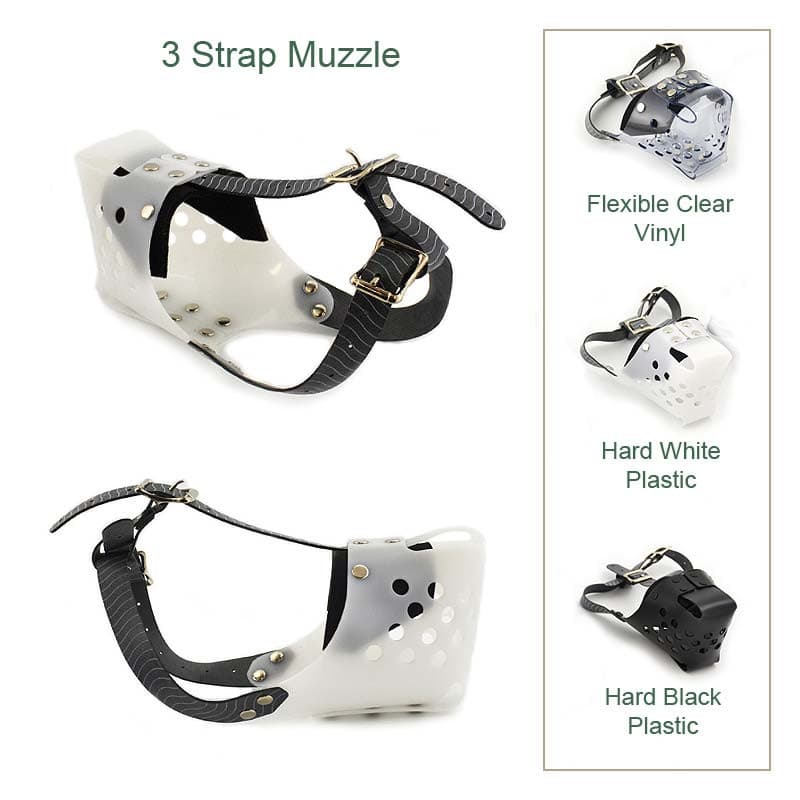
JAFCO Comfortable Dog Muzzles, Hard Plastic & Soft Flexible Versions
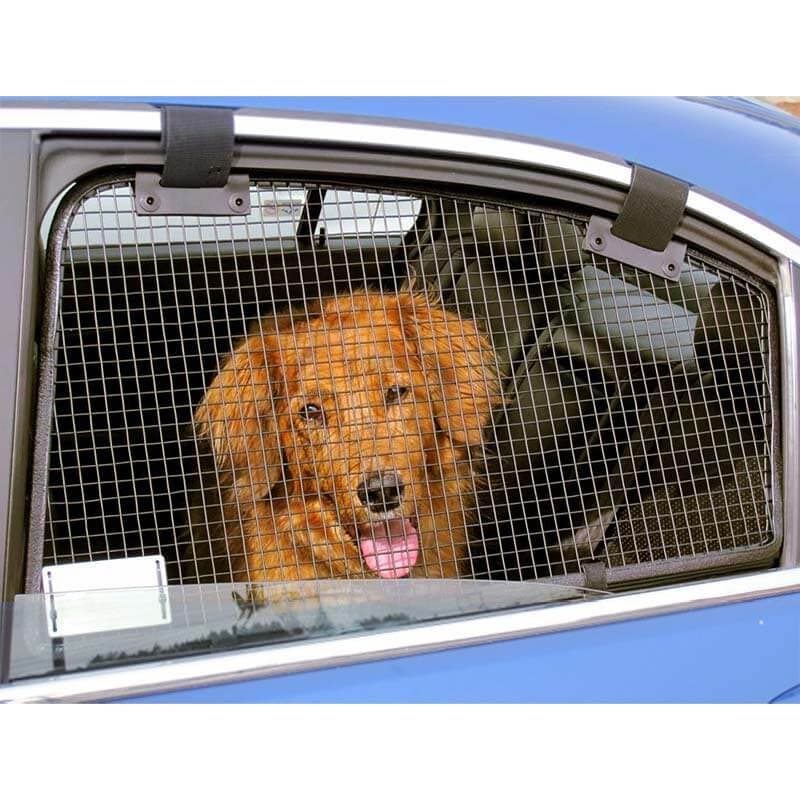
BreezeGuard Metal Car Window Guard Screens
Want 10% OFF Your First Order?
Let us email you a COUPON CODE right away. Valid for any purchase, today!
Are Collagen Sticks Safe for Dogs? Benefits, Risks & How to Choose the Right Chew


If you are wondering, are collagen sticks safe for dogs, the short answer is that they can be a suitable chew for many dogs when they are appropriately sized, properly stored, and given under supervision. However, no dog chew is completely risk-free.
Collagen sticks are edible dog chews made from collagen-rich animal tissue. They are often considered by dog owners who want an alternative to rawhide or other harder chews. Dog collagen chews can provide a satisfying chewing activity while also supplying protein and collagen.
Safety depends on more than the ingredient itself. Your dog's size, age, chewing style, dietary needs, and tendency to swallow pieces should all be considered before choosing a collagen chew.
This guide explains the potential benefits and risks of collagen sticks, how beef collagen for dogs compares with other chews, and what to look for when choosing collagen dog treats.
What Are Collagen Sticks for Dogs?
Collagen sticks are edible chews made primarily from animal collagen. Many products are made from beef-derived ingredients and are dried to create a firm, chewy texture.
Collagen is a structural protein naturally found in connective tissues. In dog chews, collagen is processed into a form that dogs can chew and consume.
Unlike some traditional rawhide products, collagen chews are generally marketed as a more digestible alternative. However, digestibility can vary between products, and owners should not assume that every collagen chew will be suitable for every dog.
The ingredients and manufacturing process matter. A simple product with a clearly listed ingredient profile makes it easier to understand what your dog is consuming.
Are Collagen Sticks Safe for Dogs?
For many dogs, collagen sticks can be a reasonable edible chew when used correctly. However, the question are collagen sticks safe for dogs cannot be answered without considering the individual dog and the specific product.
Any edible chew can create a choking risk if a dog breaks off and swallows a large piece. Dogs that aggressively bite through chews may also consume them much faster than expected.
The American Kennel Club recommends selecting edible chews according to a dog's size, chewing style, hardness, durability, and ingredients. It also recommends supervising dogs with new chews because swallowed chunks can create choking or intestinal obstruction risks.
For this reason, collagen sticks should be treated as supervised chewing products rather than something to leave with a dog unattended.
When Can Collagen Sticks Be a Suitable Choice?
Collagen sticks may be suitable for dogs that:
-
Enjoy edible chews
-
Chew gradually rather than swallowing large pieces
-
Can safely handle the selected size
-
Do not have dietary restrictions that conflict with the ingredients
-
Are supervised while chewing
Dogs with food allergies, digestive conditions, calorie restrictions, or other health concerns may need a different type of treat. VCA recommends considering a dog's medical and dietary needs when selecting treats and introducing new treats gradually.
Potential Benefits of Collagen Sticks for Dogs
Collagen sticks can provide several practical benefits when used as part of a balanced diet.
1. They Provide a Chewing Activity
Chewing is a natural behavior for dogs. An appropriate edible chew can provide an activity that keeps a dog occupied for a period of time.
This can be particularly useful for dogs that enjoy chewing as part of their daily enrichment routine.
However, chewing should not replace exercise, training, play, or other forms of mental stimulation.
2. They Can Be an Alternative to Some Traditional Chews
Some owners look for alternatives to rawhide, especially if they prefer an edible chew with a different ingredient profile.
Collagen dog treats can be one option to consider alongside bully sticks and other natural dog chews.
The best option depends on the dog's chewing behavior and dietary requirements.
3. They Contain Collagen Protein
Collagen is a structural protein found throughout the body. Collagen-based treats naturally provide this protein as part of the chew.
However, it is important not to treat collagen sticks as a medical supplement. Marketing claims about collagen sticks for dogs benefits should be considered carefully, particularly claims that suggest a chew can prevent or treat a specific health condition.
A collagen chew is still primarily a treat and chewing product.
4. They May Offer a Moderate Chewing Duration
The chewing time depends on the thickness, density, size, and individual dog.
A thin collagen stick may be consumed quickly by a large or strong chewer, while a thicker product may last longer.
For owners looking for long lasting dog chews, product size and the dog's chewing strength are more useful considerations than simply relying on a product label.
Potential Risks of Collagen Sticks
Although collagen sticks can be appropriate for many dogs, there are potential risks to consider.
Choking and Swallowing Risks
The most important concern with any edible chew is what happens when the dog breaks off pieces.
If a dog swallows a large piece without chewing it properly, that piece may create a choking risk or contribute to an intestinal obstruction.
VCA notes that swallowed foreign objects can sometimes cause gastrointestinal obstruction, which can be a serious and potentially life-threatening condition.
This is why supervision matters.
Digestive Upset
A new treat can sometimes cause digestive upset, especially when a dog receives too much at once.
If your dog has a sensitive stomach, introduce a new collagen chew gradually and monitor for changes such as loose stools, vomiting, or reduced appetite.
VCA recommends introducing new treats slowly and one at a time, particularly for dogs prone to gastrointestinal upset.
Calories and Overfeeding
Collagen sticks are edible treats, so they contribute calories to a dog's overall diet.
Giving large chews frequently without considering their calorie content can contribute to excessive calorie intake.
Treats should generally remain a limited part of a dog's daily calories. Dogs with weight-management needs or specific medical diets may require additional guidance from a veterinarian.
Ingredient Sensitivities
Beef collagen products are not appropriate for every dog.
If your dog has a known beef allergy or sensitivity, a beef-based collagen chew may not be suitable.
Always read the ingredient label rather than assuming that all collagen sticks contain the same ingredients.
Are Beef Collagen Sticks Safe for Dogs?
Beef collagen for dogs can be suitable for many dogs, provided the product is appropriately formulated and the dog does not have a beef-related food sensitivity.
Beef collagen sticks for dogs are generally made from collagen-rich beef tissue. Their texture can make them appealing to dogs that enjoy chewing.
However, "beef collagen" does not automatically mean that every product is identical. Some products may contain additional ingredients, flavorings, coatings, or preservatives.
When comparing products, check:
-
The complete ingredient list
-
The recommended dog size
-
Feeding instructions
-
Guaranteed analysis where provided
-
Calorie information
-
Storage instructions
-
Manufacturer information
-
Any specific age recommendations
A shorter ingredient list can make it easier to evaluate a treat, but simplicity alone does not eliminate choking or digestive risks.
How to Choose the Right Collagen Stick
Choosing the right size and texture is an important part of answering are collagen sticks safe for dogs.
Choose the Correct Size
A chew should be large enough that your dog cannot easily swallow it whole.
A small collagen stick may be appropriate for a smaller dog but unsuitable for a large dog that can consume it in a few bites.
For larger dogs, consider appropriately sized chew toys for large dogs or edible chews designed for their size.

Consider Your Dog's Chewing Style
Your dog's behavior is more important than breed labels alone.
Some dogs gently gnaw on a chew. Others immediately attempt to break it apart.
If your dog consistently destroys chews within minutes and swallows large pieces, an edible collagen chew may require especially close monitoring.
The American Kennel Club recommends matching edible chews to the dog's chewing style because a product that is safe for one dog may not be appropriate for another.
Avoid Extremely Hard Chews
Durability is not always a sign of safety.
Very hard chewing products can damage teeth. Veterinary guidance from VCA advises caution with excessively hard chew products because they can contribute to tooth fractures.
Collagen sticks are generally softer than extremely hard products such as antlers, but the exact texture varies by product.
Check the Ingredients
Look for clear labeling and avoid products with unnecessary ingredients if your dog has food sensitivities.
If your dog follows a prescription diet, ask your veterinarian whether a particular treat is compatible with that diet.
How to Give Collagen Sticks Safely
Following a few simple practices can reduce common chewing risks.
Supervise Your Dog
Always watch your dog during chewing sessions, particularly when introducing a new product.
Pay attention to whether your dog slowly chews the stick or attempts to swallow pieces.
Remove Small Pieces
Once the collagen stick becomes small enough to fit completely into your dog's mouth, it should be removed.
Do not allow your dog to swallow the final small piece simply because there is still edible material left.
Limit Chewing Sessions
The appropriate frequency depends on the product and your dog's diet.
A collagen stick should be treated as a chew or treat rather than a meal replacement.
Store Chews Properly
Follow the storage instructions provided by the manufacturer.
Improper storage can affect the quality and safety of edible dog treats.
Collagen Sticks vs Other Dog Chews
Collagen sticks are just one option among many.
Collagen Sticks vs Bully Sticks
Bully sticks are typically made from beef pizzle and are another popular edible chew.
Both can provide a chewing activity, but the texture, odor, calorie content, and chewing duration can vary.
Some dogs prefer the texture of collagen, while others prefer the firmer texture of bully sticks.
Collagen Sticks vs Himalayan Dog Chews
Himalayan dog chews are firm cheese-based products that can provide long chewing sessions.
A Himalayan yak chew for dogs may be considerably harder than a collagen stick. That durability can be useful for some dogs, but hardness should also be considered because very hard chews can pose dental risks.
Collagen Sticks vs Antler Chews
Antler chews for dogs are much harder and can last a long time. However, their hardness is a major consideration.
The American Kennel Club notes that antlers can fracture teeth and that broken pieces can create serious swallowing or obstruction risks.
For this reason, a longer-lasting chew is not necessarily a safer chew.
Collagen Sticks vs Durable Chew Toys
Dog durable chew toys provide a non-edible option for dogs that simply enjoy chewing.
They can be useful for reducing the number of edible treats a dog receives while still providing an activity.
However, chew toys also need regular inspection. VCA recommends removing damaged toys before pieces can be swallowed.
Are Collagen Sticks Good for Puppies?
Puppies have developing teeth and different chewing requirements from adult dogs.
A collagen chew may be appropriate for some puppies, but age recommendations and size guidelines should always be checked first.
Avoid choosing a product solely because it is labeled as a collagen stick for dogs. The product's size and texture should match the puppy's stage of development and chewing behavior.
Puppies should also be supervised closely because they may experiment with swallowing unfamiliar objects.
How Often Can Dogs Have Collagen Sticks?
There is no universal frequency that applies to every dog.
The appropriate amount depends on the product's calories, the dog's size, age, activity level, regular diet, and health needs.
For dogs receiving other treats, collagen treats for dogs should be included in the overall daily treat intake rather than added on top without adjustment.
If your dog has obesity, pancreatitis, food allergies, gastrointestinal disease, or another condition requiring dietary management, ask your veterinarian before adding a new edible chew.
Signs Your Dog May Not Be Handling a Chew Well
Stop giving the product and contact a veterinarian if your dog develops concerning symptoms after eating a chew.
Potential warning signs can include:
-
Repeated vomiting
-
Significant lethargy
-
Loss of appetite
-
Abdominal pain
-
Difficulty passing stool
-
Persistent diarrhea
-
Difficulty breathing
-
Signs of choking
If you believe your dog has swallowed a large piece of a chew and is showing signs of obstruction or distress, seek veterinary attention promptly.
Conclusion
So, are collagen sticks safe for dogs? For many dogs, they can be a suitable choice when the product is appropriately sized, the ingredients match the dog's dietary needs, and chewing is supervised. However, collagen sticks are not completely risk-free, and they should not be treated as a replacement for a balanced diet.
The most important factors are your dog's size, chewing style, age, dietary requirements, and tendency to swallow pieces. Choose a collagen chew that your dog can handle safely, remove it when it becomes too small, and monitor your dog throughout the chewing session.
Beef collagen for dogs can be a useful option for owners looking for an edible chew with a collagen-based ingredient profile. Other choices, including bully sticks, Himalayan dog chews, and suitable chew toys, may also work depending on the individual dog.
Pet Expertise provides pet supplies, dog supplies, dog accessories, edible chews, and other dog products for pet owners comparing different options. When choosing dog collagen chews, focus on appropriate sizing, clear ingredients, safe chewing habits, and your dog's individual dietary needs rather than choosing a product based only on durability or marketing claims.
Frequently Asked Questions
Q1. Are collagen sticks safe for dogs?
Q2. Are beef collagen sticks safe for dogs?
Q3. Can puppies have collagen sticks?
Q4. Are collagen sticks easier to digest than rawhide?
Q5. How long do collagen sticks last?
 Contact Us
- Choosing a selection results in a full page refresh.
- Press the space key then arrow keys to make a selection.