

 support@petexpertise.com
Top Products
4 Simple Steps Anyone Can Use to Stop Their Dog from Pulling on a Leash
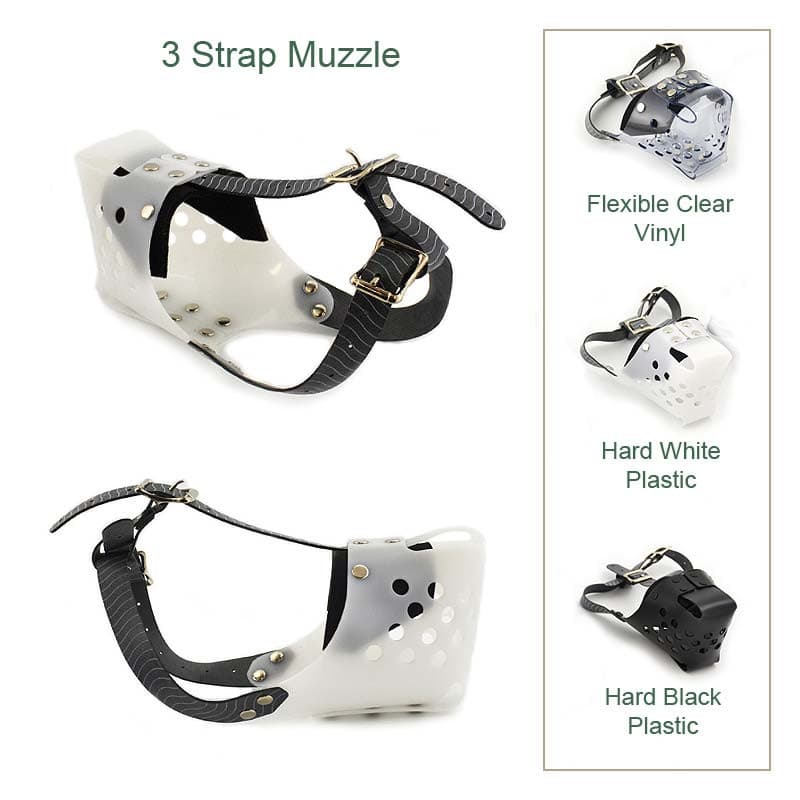
JAFCO Comfortable Dog Muzzles, Hard Plastic & Soft Flexible Versions

BreezeGuard Metal Car Window Guard Screens
Want 10% OFF Your First Order?
Let us email you a COUPON CODE right away. Valid for any purchase, today!
Are Bully Sticks for Dogs Safe for Puppies and Large Breeds?


Bully sticks for dogs are among the most widely recommended natural chews, yet many pet owners still question their safety for puppies and large breeds. Chewing plays an essential role in a dog’s physical and mental development. It supports dental hygiene, reduces anxiety, prevents boredom, and helps redirect destructive habits. However, safety depends heavily on choosing the correct thickness, length, and chewing duration. Puppies have developing teeth and sensitive digestion, while large breeds have powerful jaws capable of breaking thin chews quickly.
Understanding how bully sticks for dogs work, how to size them properly, and how to supervise chewing sessions allows you to reduce choking risks and digestive upset. This guide explains everything you need to know about puppy bully sticks, bully sticks for large dogs, nutritional considerations, dental benefits, and safe usage guidelines so you can make informed decisions confidently.
What Are Bully Sticks for Dogs?
Bully sticks for dogs are single-ingredient chews made from beef muscle that is cleaned and slowly dried. They are high in protein, long-lasting, and designed to satisfy a dog’s natural chewing instinct. When properly sized and supervised, they can provide enrichment and dental support.
Bully sticks differ from many processed chews because they typically contain no artificial additives or fillers. Their dense texture encourages slow gnawing rather than immediate swallowing. As dogs chew, the stick gradually softens, making it easier to digest compared to brittle treats that splinter. However, the final piece can still present a choking hazard if swallowed whole.
Because thickness and length vary, selecting the right size is critical. Smaller dogs and puppies require thinner options, while large breeds need extra-thick bully sticks for dogs that resist rapid breakdown. Choosing correctly improves both safety and satisfaction.
Key Characteristics of Bully Sticks for Dogs
· Single-ingredient natural chew
· High protein content
· Dense texture that softens gradually
· Available in various thickness levels
· Designed for extended chewing sessions
Are Bully Sticks for Dogs Safe for Puppies?
Yes, bully sticks for dogs can be safe for puppies when introduced after 12 weeks of age and chosen in thinner sizes. Supervision is essential to prevent choking and digestive issues.
Puppies go through intense teething stages between three and six months. During this time, chewing helps relieve gum pressure and encourages healthy jaw development. Puppy bully sticks are typically thinner and easier for small mouths to grip. However, very young puppies with baby teeth may struggle with dense chews.
Always monitor your puppy closely. If they attempt to gulp softened pieces or show signs of stomach discomfort, discontinue use temporarily. Introduce bully sticks gradually to assess tolerance.
Benefits of Puppy Bully Sticks
Puppy bully sticks can support early development in multiple ways. When used correctly, they provide both physical and behavioral benefits.
· Help soothe teething discomfort
· Promote positive chewing habits
· Strengthen jaw muscles
· Reduce boredom and anxiety
· Redirect destructive chewing behavior
Limit sessions to 10–20 minutes and remove small leftover ends to reduce risk.
Are Bully Sticks for Large Dogs Safe?
Bully sticks for large dogs are safe when extra-thick and appropriately sized. Thin sticks may break apart too quickly and increase choking risks.
Large breeds have significant bite force. If a chew is too thin, it may become swallowable within minutes. That increases the risk of choking or digestive upset. Therefore, selecting bully sticks for large dogs that are thicker and longer is essential.
Longer sticks encourage sustained gnawing rather than rapid consumption. Proper sizing also helps reduce aggressive gulping behavior.
Why Thickness and Length Matter
Choosing the correct size significantly improves safety and durability.
· Extra-thick sticks resist rapid breakdown
· Longer sticks reduce swallowing risk
· Dense texture promotes steady chewing
· Larger size improves grip control
· Durable options extend engagement time
Matching chew size to jaw strength prevents many common safety issues.
What Are the Nutritional Benefits of Bully Sticks for Dogs?
Bully sticks are high in protein and contain natural fats that provide energy. They should be given in moderation because they are calorie-dense.
Protein supports muscle growth in puppies and muscle maintenance in adult and large breeds. Natural fats contribute to energy levels. However, because bully sticks for dogs are calorie-rich, overfeeding may contribute to weight gain or digestive upset.
Treats should complement a balanced diet rather than replace meals. Monitor your dog’s total daily calorie intake when offering chews.

Nutritional Considerations
Responsible feeding ensures benefits without excess.
· High-quality protein source
· Natural fat content
· Calorie-dense composition
· Best given several times per week
· Should not replace balanced meals
Moderation supports overall health and digestion.
Do Bully Sticks Help with Dental Health?
Chewing bully sticks may help reduce mild plaque buildup through friction, but they do not replace brushing or professional dental care.
As dogs chew, friction along the tooth surface may help reduce plaque accumulation. Additionally, chewing stimulates saliva production, which helps wash away debris. Puppies benefit from gum stimulation during tooth development, while large dogs benefit from jaw exercise.
However, they should be viewed as a supplemental dental tool rather than a replacement for brushing.
Oral Health Advantages
· Encourages saliva production
· Supports gum stimulation
· Strengthens jaw muscles
· Provides mental enrichment
· Assists mild plaque control
Combine chewing with regular brushing for best results.
What Are the Risks of Bully Sticks for Dogs?
Although generally safe when managed properly, bully sticks for dogs are not entirely risk-free. Choking is the primary concern, especially when the chew becomes small enough to swallow. Digestive upset can occur if dogs consume too much too quickly.
Aggressive chewers may attempt to gulp large, softened pieces. Monitoring chewing sessions reduces the likelihood of complications.
Risk Reduction Tips
· Always supervise chewing
· Remove small leftover pieces
· Limit chewing sessions
· Introduce gradually
· Monitor digestion and stool consistency
Proactive supervision significantly improves safety.
How Do You Choose the Right Bully Stick Size?
Selecting appropriate bully sticks for dogs requires evaluating age, weight, and chewing intensity. Puppies require thinner, softer sticks. Large breeds require thicker and longer options.
Observe your dog’s chewing habits. If your dog tends to gulp, choose thicker options. If your puppy struggles to grip the chew, select shorter lengths.
Selection Guide for Puppies
· Junior or thin sticks
· Shorter lengths
· Close supervision
· Limited session time
· Gradual introduction
Selection Guide for Large Dogs
· Extra-thick sticks
· Longer than mouth width
· Durable braided options
· Calm chewing environment
· Immediate removal of small ends
Correct sizing enhances both safety and enjoyment.
Pros and Cons of Bully Sticks for Dogs
Understanding both benefits and limitations helps you make informed decisions.
Pros of Bully Sticks for Dogs
· Natural single-ingredient chew
· Long-lasting engagement
· High protein content
· Supports chewing instincts
· May assist mild dental hygiene
Cons of Bully Sticks for Dogs
· Calorie-dense
· Requires supervision
· Can pose choking risk
· Not ideal for very young puppies
· May cause digestive upset if overused
Balanced awareness supports responsible use.

How Often Should Dogs Have Bully Sticks?
Most dogs benefit from chewing sessions a few times per week rather than daily use. Puppies in teething stages may require shorter, more frequent sessions. Large dogs may tolerate longer sessions when properly sized sticks are used.
Limit chewing to 10–30 minutes depending on intensity. Remove the chew once it becomes small enough to swallow.
Moderation ensures digestive comfort and calorie control.
Final Thoughts: Are Bully Sticks for Dogs a Safe Choice?
Bully sticks for dogs can be a safe and enriching chew option when selected thoughtfully and used responsibly. Puppy bully sticks support teething relief and encourage healthy chewing habits early in life. Bully sticks for large dogs provide durable engagement when chosen in thicker sizes that match jaw strength and chewing intensity.
The key to safety lies in proper sizing, supervision, and moderation. By understanding your dog’s chewing style and adjusting accordingly, you reduce choking risks and digestive concerns while supporting dental health and mental stimulation.
If you want trusted, expert-backed guidance on choosing the safest chew options for your dog’s size and chewing style, visit Pet Expertise today. Our goal is to help you make informed decisions that promote long-term health, safety, and happiness for your dog.
Frequently Asked Questions
 Contact Us
- Choosing a selection results in a full page refresh.
- Press the space key then arrow keys to make a selection.