

 support@petexpertise.com

Top Products
4 Simple Steps Anyone Can Use to Stop Their Dog from Pulling on a Leash
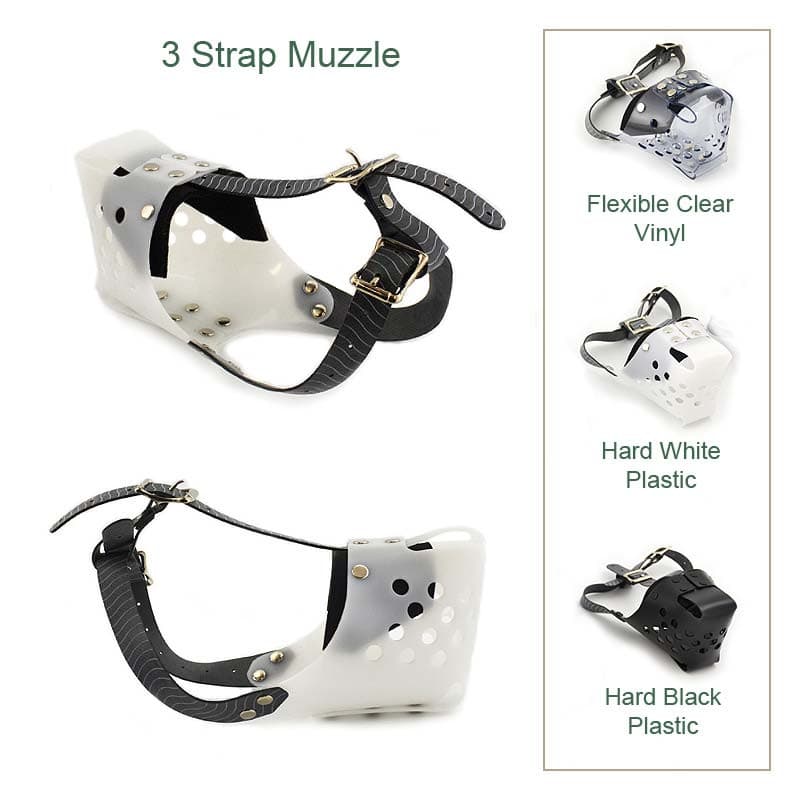
JAFCO Comfortable Dog Muzzles, Hard Plastic & Soft Flexible Versions

BreezeGuard Metal Car Window Guard Screens
Want 10% OFF Your First Order?
Let us email you a COUPON CODE right away. Valid for any purchase, today!
Can Puppies Have Collagen Sticks?


Puppies seem to find something new to chew every day, whether it is a favorite toy, a pair of shoes, or the corner of a sofa. Chewing is a natural part of growing up, and it becomes especially noticeable when puppies start teething. For pet parents, finding a suitable chew can help redirect this behavior while keeping their young companions engaged. This is why collagen sticks for puppies have become a topic of interest among dog owners looking for alternative chewing treats.
Collagen sticks are popular because they offer an edible chewing experience and contain collagen, a structural protein found in animal connective tissues. However, puppies have different needs from adult dogs. Their teeth, jaws, digestive systems, and chewing habits are still developing, so not every chew is suitable for them. Understanding the benefits and potential risks can help you decide whether collagen sticks are appropriate for your puppy.
What Are Collagen Sticks for Dogs?
Collagen sticks are edible dog chews typically made from collagen-rich animal tissues, such as beef skin or other connective tissue sources. They are processed into sticks or similar shapes that dogs can chew over time.
Unlike traditional rawhide products, collagen chews are designed to provide a different chewing experience, although their texture, processing, and digestibility depend on the manufacturer. Some products may also contain flavorings or other ingredients, so checking the label is important.
For puppies, the main consideration is whether the chew's firmness, size, and ingredients are suitable for their stage of development. A product that works well for an adult dog may be too hard or difficult for a young puppy to manage.
Can Puppies Have Collagen Sticks?
Yes, some puppies may be able to have collagen sticks, but not every collagen stick is suitable for every puppy. Readiness depends on the puppy's age, dental development, chewing behavior, and the specific product's recommendations.
Very young puppies may be better suited to softer, puppy-specific chew toys. During teething, their gums can be sensitive, and hard chews may cause discomfort or damage developing teeth. Puppies that bite aggressively or attempt to swallow large pieces may also face greater risks with edible chews.
Before introducing collagen sticks, check the manufacturer's age and size guidance and consult your veterinarian if you are uncertain. This is particularly important for puppies with sensitive stomachs, food allergies, or dental concerns.
Supervision is essential whenever a puppy has an edible chew. Even a product marketed as natural or digestible can cause choking if a piece breaks off and is swallowed whole.
Potential Benefits of Puppy Collagen Chews
When an appropriate product is chosen, puppy collagen chews may offer several practical benefits as part of a balanced routine.
1. They Provide an Outlet for Natural Chewing
Puppies explore their surroundings with their mouths. Chewing also becomes more frequent for many dogs during teething, when their gums may feel uncomfortable.
Offering an appropriate chew gives your puppy an acceptable activity and may help redirect attention away from furniture, shoes, and other household objects. Combine this with positive reinforcement by rewarding your puppy for choosing suitable toys.
2. They Offer Mental Stimulation
Working on a chew can keep a puppy occupied and encourage focus. This can be helpful during quiet periods after play or training, when your puppy needs an engaging activity.
However, chewing should complement other forms of enrichment, including play, gentle training, age-appropriate exercise, and social interaction. It should never replace the attention and supervision a young dog needs.
3. They Contain Collagen Protein
Collagen is a structural protein found naturally in connective tissues, including skin, tendons, ligaments, and cartilage. Collagen sticks provide animal-derived protein, depending on their ingredients and formulation.
However, eating collagen does not automatically improve a puppy's joints, skin, or development. The body digests dietary proteins, and the benefits of a specific product depend on its composition and supporting evidence. A complete and balanced puppy food should remain the foundation of your puppy's nutrition.
4. They Can Add Variety to Treat Time
Some puppies enjoy edible chews as an alternative to regular treats or reusable toys. A suitable collagen chew can introduce variety into a supervised enrichment routine.
Every puppy has different preferences, though. If your puppy struggles with the texture, becomes frustrated, or tries to swallow pieces quickly, remove the chew and choose a more suitable option.
Are Collagen Sticks Safe for Puppies?
The safety of collagen sticks depends on several factors, including their firmness, size, ingredients, and how your puppy chews.
Choking and Swallowing Risks
One of the biggest concerns with edible chews is the possibility of swallowing large pieces. As a collagen stick becomes shorter or softer, a puppy may try to gulp down the remaining portion.
Choose a product that is appropriately sized for your puppy and remove it before it becomes small enough to swallow whole. Avoid leaving your puppy alone with an edible chew, even for a short period.
Developing Teeth and Sensitive Gums
Puppies' teeth and gums change as they grow. A chew that is too hard may cause discomfort or damage, especially if your puppy bites down forcefully.
Do not assume that a longer-lasting chew is necessarily a better choice. If your puppy is actively teething, ask your veterinarian whether a softer alternative would be more appropriate.
Digestive Upset
A new chew can sometimes cause stomach upset, particularly if a puppy eats too much or reacts to an ingredient. Signs may include vomiting, loose stools, or diarrhea.
Introduce unfamiliar treats cautiously and observe your puppy's response. If symptoms are severe or persistent, contact your veterinarian.
Allergies and Ingredient Sensitivities
Collagen sticks may contain beef or other animal-derived ingredients. If your puppy has a known food allergy or sensitivity, review the ingredient list carefully before offering a new product.
Stop using the chew if you notice a concerning reaction, and seek veterinary advice if symptoms develop.

How to Choose Safe Puppy Chews
Choosing safe puppy chews means considering your puppy's individual needs rather than relying on product popularity alone.
Start by checking the recommended age and size range. Choose a chew that your puppy can handle without struggling, and avoid products that are excessively hard, brittle, or small enough to swallow whole.
Read the ingredient list and feeding instructions. Products with clear labeling make it easier to understand what your puppy is consuming. If your puppy has dietary restrictions, ask your veterinarian before introducing a new edible chew.
Pay attention to chewing style, too. A puppy that gently nibbles may handle an appropriate chew differently from one that bites aggressively or gulps treats. If your puppy tends to swallow pieces quickly, a supervised puppy-specific rubber toy may be a better choice.
How to Introduce Collagen Sticks to Your Puppy
If your veterinarian agrees that your puppy is ready for a particular collagen stick, introduce it in a calm environment.
Allow your puppy to investigate the chew while you remain close and watch how they handle it. Keep the first session brief, follow the manufacturer's guidance, and remove the chew if your puppy attempts to swallow large pieces or seems uncomfortable.
There is no universal chewing duration that is appropriate for every puppy. The right approach depends on the product and your puppy's behavior.
Always remove small remaining pieces before they become a swallowing hazard. Keep fresh water available, store unused chews according to the packaging, and wash your hands after handling animal-based products.
Treats should complement a complete and balanced puppy diet. Keep an eye on calorie intake, especially if your puppy receives training rewards and other treats throughout the day.
If your puppy chokes, has difficulty breathing, repeatedly vomits, or shows signs of abdominal pain after chewing, seek veterinary care promptly. Difficulty breathing is an emergency.
What Are the Alternatives to Collagen Sticks for Puppies?
If your puppy is too young for an edible chew or has sensitive gums, there are other ways to encourage appropriate chewing.
Puppy-specific rubber toys can offer a reusable option when their firmness and design are suitable. Softer teething toys may be more comfortable for puppies experiencing gum sensitivity. Some food-stuffable toys can also provide mental stimulation when used according to the manufacturer's instructions.
Choose toys designed for your puppy's size and chewing strength, and inspect them regularly for damage. Remove any toy that begins breaking apart or releases pieces that could be swallowed.
Remember that no chew is entirely risk-free. The best choice is one that suits your puppy's developmental stage, chewing habits, and individual health needs.
Conclusion
Choosing the right chew for your puppy comes down to balancing safety, dental development, chewing habits, and nutritional needs. Collagen sticks may be suitable for some puppies when they are developmentally ready and the product is appropriately sized and supervised. However, softer puppy-specific chew toys may be a better choice for young dogs with sensitive gums or developing teeth.
Before introducing a new chew, consider your puppy's age, chewing style, and dietary requirements. Always supervise chewing sessions and consult your veterinarian if you are unsure which option is appropriate.
With the right approach, you can help your puppy enjoy a more positive and engaging chewing routine. Explore the Puppy Chews and Collagen Collection at Pet Expertise to compare available options, or contact our team for assistance finding suitable chewing products for your puppy.
Frequently Asked Questions
1. At what age can puppies have collagen sticks?
2. Are collagen sticks good for teething puppies?
3. Can collagen sticks upset a puppy's stomach?
4. How long should a puppy chew on a collagen stick?
5. What are the safest chews for puppies?
 Contact Us

- Choosing a selection results in a full page refresh.
- Press the space key then arrow keys to make a selection.