

 support@petexpertise.com
Top Products

4 Simple Steps Anyone Can Use to Stop Their Dog from Pulling on a Leash
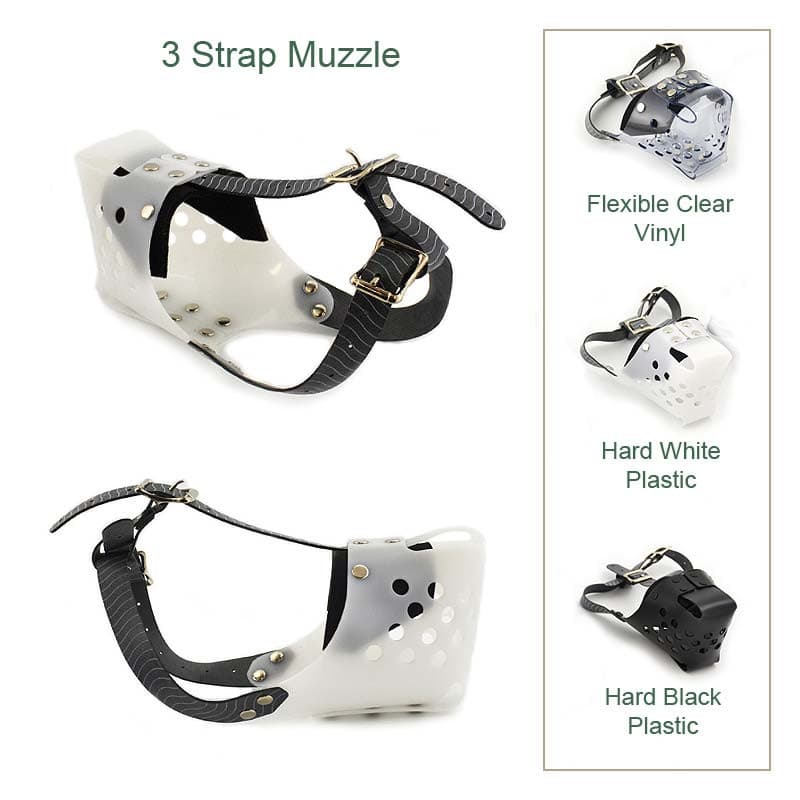
JAFCO Comfortable Dog Muzzles, Hard Plastic & Soft Flexible Versions

BreezeGuard Metal Car Window Guard Screens
Want 10% OFF Your First Order?
Let us email you a COUPON CODE right away. Valid for any purchase, today!
Benefits of Collagen Chews for Dogs: Joint, Skin & Dental Health


Collagen chews have become a popular option for owners looking for edible treats that also provide a satisfying chewing activity. Dog collagen chews contain collagen, a structural protein found throughout the body, including connective tissues, skin, cartilage, bones, and other tissues.
Because of this, collagen chews are often associated with potential benefits for joint and skin health. However, it is important to separate the nutritional role of collagen from stronger health claims that may not apply to every dog.
Collagen chews can be part of a dog's overall treat routine, but they should not be viewed as a replacement for a complete diet, veterinary treatment, dental care, or joint-support plan.
This guide explains the potential collagen benefits for dogs, how collagen chews work as edible treats, what to consider when choosing them, and how they compare with other healthy dog chews.
What Are Dog Collagen Chews?
Dog collagen chews are edible treats made from collagen-rich animal tissue. Many products use beef as the primary source and are processed into sticks or other chewable shapes.
Beef collagen sticks for dogs are commonly chosen because they provide a firm, chewy texture that can keep a dog occupied while the chew is consumed.
Unlike a regular training treat, a collagen chew is intended to provide a longer chewing activity. The exact chewing duration depends on the product's size, thickness, density, and the dog's chewing strength.
Collagen itself is a protein. It plays structural roles in the body, but eating collagen does not mean that the collagen simply travels directly to a dog's joints or skin. During digestion, proteins are broken down into smaller components that the body can use.
For that reason, collagen chews should be considered a source of protein and a chewing treat rather than a guaranteed treatment for a particular health condition.
What Are the Potential Collagen Benefits for Dogs?
The potential benefits of collagen chews are best understood in the context of nutrition and chewing enrichment.
1. Collagen Provides Protein
Collagen is a protein that contains amino acids used by the body for various biological processes.
A collagen-based treat can therefore contribute protein to a dog's overall diet. However, it should not replace the complete and balanced nutrition provided by the dog's regular food.
The amount of collagen and other nutrients varies between products, so reading the nutritional information is important.
2. Collagen Is Associated With Connective Tissue
Collagen is an important structural component of connective tissues. It is present in cartilage, tendons, ligaments, skin, and other parts of the body.
This is one reason collagen products are commonly marketed for joint and skin support.
However, the potential benefits of consuming collagen depend on factors such as the type of collagen, amount consumed, the dog's overall diet, and the individual dog's health.
A collagen chew should therefore not be presented as a cure or treatment for arthritis, joint disease, skin disease, or other medical conditions.
3. Chewing Provides Enrichment
One of the more immediate benefits of collagen chews is the chewing activity itself.
Dogs have a natural desire to chew. Providing an appropriate edible chew can give a dog something to focus on and may provide mental enrichment.
Chewing can be particularly useful as part of a broader routine that includes exercise, play, training, social interaction, and other enrichment activities.
4. Collagen Chews Can Add Variety to Treats
Dogs do not necessarily need the same treat every day.
Adding an appropriately selected collagen chew can provide variety in texture and chewing experience. For owners who already use several types of treats, however, the calorie content of each product should be considered.
Collagen Chews and Joint Health
Joint health is one of the most commonly discussed reasons for giving dogs collagen products.
Collagen is naturally present in cartilage and other connective tissues, which explains why collagen supplements and treats are often associated with joint support.
However, the evidence for collagen products in dogs is not the same as evidence for treating a diagnosed joint condition.
A dog with stiffness, limping, reduced activity, difficulty climbing stairs, or other changes in movement should be evaluated by a veterinarian rather than relying on collagen treats alone.
Can Collagen Help a Dog's Joints?
Collagen may have a role in nutritional support for connective tissues, but the effect of a particular collagen chew depends on its formulation and the amount consumed.
It is also important to distinguish between a collagen chew and a veterinary joint supplement. A chew may contain collagen but may not provide the specific ingredients, concentrations, or feeding instructions used in products formulated specifically for joint support.
For dogs with existing joint disease, ask a veterinarian whether a collagen product is appropriate as part of the overall care plan.
Collagen Chews and Skin Health
Collagen is also a structural protein found in the skin.
This has led to interest in collagen as part of nutritional support for skin and coat health. However, healthy skin depends on many factors, including genetics, nutrition, hydration, allergies, parasites, environmental conditions, and underlying health problems.
A collagen chew cannot address all of these factors.
If a dog has persistent itching, hair loss, redness, sores, or changes in coat quality, the underlying cause should be investigated rather than assuming that a collagen treat will resolve the problem.
Does Collagen Improve a Dog's Coat?
There is no reason to assume that every dog receiving a collagen chew will develop a visibly improved coat.
Collagen contributes protein and amino acids to the diet, but coat condition depends on overall nutrition and health.
A complete and balanced diet remains the foundation of nutritional support for healthy skin and coat.
Collagen Chews and Dental Health
Chewing can provide mechanical activity around the teeth, but collagen chews should not automatically be considered dental treatments.
The Veterinary Oral Health Council evaluates products for evidence of plaque and tartar control and awards its Seal of Acceptance to products that meet its standards. Its guidance also emphasizes choosing the correct size and supervising dogs while they chew.
Unless a collagen product has been specifically evaluated and accepted for a dental claim, it is better to describe it as a chew rather than a dental treatment.
Can Collagen Chews Clean Dogs' Teeth?
Chewing may provide some mechanical contact with the teeth, but that does not mean a collagen chew can replace brushing or veterinary dental care.
The Veterinary Oral Health Council identifies daily tooth brushing as the gold standard for maintaining oral health and notes that certain accepted dental products can help control plaque and tartar.
If dental health is the primary reason for choosing a chew, look for products with appropriate dental evidence rather than relying only on the word "natural" or "collagen."
Are Collagen Dog Treats Safe?
For many dogs, collagen dog treats can be suitable when selected and used correctly. However, all edible chews carry some potential risks.
Choking Risk
A dog may break off and swallow a large piece of a chew. This can create a choking risk or potentially contribute to an intestinal obstruction.
The Veterinary Oral Health Council specifically advises using the correct product size for a dog's body weight and limiting chew use to times when the owner can observe the dog.
Digestive Upset
Introducing a new treat too quickly can cause digestive upset in some dogs.
If your dog has a sensitive digestive system, start with an appropriate amount and monitor for changes such as loose stool, vomiting, or reduced appetite.
Calories
Collagen chews contain calories and should be counted as treats.
Giving several calorie-dense chews in addition to regular meals can contribute to excessive calorie intake. This is particularly important for dogs that are overweight or prone to weight gain.
Food Sensitivities
Many collagen products are made from beef. A dog with a known beef allergy or food sensitivity may not be a suitable candidate for a beef collagen chew.
Always read the complete ingredient list before introducing a new product.
How to Choose the Right Dog Collagen Chews
Not every collagen chew is made the same way. When comparing products, consider more than the word "collagen."
Check the Main Ingredients
Look for clear ingredient information.
If the product is described as a beef collagen stick, check whether beef collagen is actually the primary ingredient and whether additional ingredients have been included.
This is particularly important for dogs with allergies or dietary restrictions.
Choose the Correct Size
The chew should be appropriately sized for the dog's weight and chewing behavior.
A small collagen stick may be consumed too quickly by a large dog. On the other hand, a very large or dense product may not be appropriate for a small dog.
Consider Chewing Strength
A gentle chewer and an aggressive chewer may have very different experiences with the same product.
If your dog breaks edible chews into large pieces, close supervision is particularly important.
Look at Calorie Information
If calories are listed, include the chew in your dog's overall daily treat allowance.
This helps prevent treats from unintentionally becoming a significant part of the dog's daily calorie intake.
Follow Feeding Instructions
Product feeding recommendations can vary. Follow the manufacturer's instructions and consider your dog's overall diet.
If your dog has a medical condition requiring a specific diet, consult your veterinarian before adding a new edible chew.
How Often Can Dogs Have Collagen Chews?
There is no single frequency that applies to every dog.
The appropriate amount depends on:
-
The dog's size
-
The dog's daily calorie needs
-
The calorie content of the chew
-
The dog's regular diet
-
Activity level
-
Age
-
Health status
-
Other treats given during the day
Collagen chews should be treated as part of the dog's overall treat intake.
If a dog receives several edible treats every day, adding a collagen chew without adjusting the rest of the diet may increase total calorie consumption.
Collagen Sticks vs Other Healthy Dog Chews
Collagen is only one type of edible dog chew. Other options may suit different chewing preferences and dietary needs.
Collagen Sticks vs Bully Sticks
Bully sticks are another common edible chew made from animal tissue.
Both bully sticks and collagen sticks can provide a longer chewing activity, but their texture, odor, nutritional profile, and chewing duration can differ.
Some dogs prefer the texture of collagen, while others may prefer bully sticks.
The best choice depends on the individual dog's chewing style and dietary needs.
Collagen Sticks vs Himalayan Dog Chews

Himalayan dog chews are firm cheese-based products that can provide a long chewing session.
A Himalayan yak chew for dogs is generally much harder than many collagen products.
That difference in hardness is important. A chew that lasts longer is not automatically safer, particularly if it is extremely hard.
Collagen Sticks vs Antler Chews
Antler chews for dogs are known for being highly durable.
However, their hardness can also create dental concerns. Very hard chews can potentially fracture teeth.
For this reason, antler chews should not be selected simply because they last longer than softer edible options.
Collagen Chews vs Durable Chew Toys
Dog durable chew toys can provide chewing enrichment without adding calories.
For dogs that enjoy chewing frequently, a combination of edible chews and appropriate reusable toys can provide variety.
Toys should be inspected regularly and removed if they become damaged or begin producing pieces that a dog could swallow.
Are Collagen Chews Suitable for Puppies?
Puppies have developing teeth and jaws, so chew selection requires additional care.
A collagen chew may be appropriate for some puppies if the product is specifically intended for their age and size.
However, owners should not assume that an adult-sized collagen chew is appropriate for a puppy.
What Should Puppy Owners Consider?
Choose a product that:
-
Matches the puppy's size
-
Is appropriate for its developmental stage
-
Does not have an excessively hard texture
-
Can be supervised during use
-
Fits within the puppy's overall diet
Puppies should be closely monitored because they may attempt to swallow pieces rather than gradually chew them.
Can Collagen Chews Replace a Balanced Diet?
No.
Even though collagen is a protein and may provide nutritional value, collagen chews are treats rather than complete and balanced meals.
Dogs need a diet that provides the full range of nutrients required for their life stage.
Collagen chews should therefore be used as an addition to a balanced feeding plan, not as a primary source of nutrition.
Can Collagen Chews Replace Dental Care?
No.
Chewing is not a substitute for brushing, regular dental examinations, or veterinary treatment.
The Veterinary Oral Health Council states that daily oral hygiene is central to dental disease prevention and recommends veterinary examinations of dogs' mouths and teeth.
If your dog has bad breath, bleeding gums, loose teeth, difficulty eating, or visible tartar, schedule a veterinary dental evaluation.
How to Give Collagen Chews Safely
A few simple habits can reduce common risks.
Supervise Every Chewing Session
Watch your dog while using the chew, especially the first few times.
Pay attention to whether your dog chews gradually or attempts to swallow pieces.
Remove Small Pieces
Once the remaining chew becomes small enough to swallow, remove it.
Do not allow a dog to finish a tiny leftover piece simply because it is still edible.
Store Products Correctly
Follow the storage instructions provided with the product.
Edible treats should be kept in appropriate conditions to maintain quality.
Monitor Your Dog's Response
After introducing a new chew, watch for digestive or behavioral changes.
If your dog develops vomiting, persistent diarrhea, loss of appetite, choking, breathing difficulty, or other concerning symptoms, stop using the product and seek veterinary advice.
When Should You Avoid Collagen Chews?
A collagen chew may not be appropriate if your dog:
-
Has a known allergy to one of its ingredients
-
Cannot safely chew edible products
-
Consistently swallows large pieces
-
Has dietary restrictions that conflict with the product
-
Has a medical condition requiring a restricted diet
-
Has difficulty chewing or swallowing
If you are uncertain, your veterinarian can help determine whether a particular chew fits your dog's dietary and health needs.
Conclusion
Dog collagen chews can be a useful addition to a dog's treat routine when they are appropriately selected and used safely. They provide collagen-rich protein and can give dogs a satisfying chewing activity, while collagen itself has important structural roles in connective tissues and skin.
However, claims about collagen benefits for dogs should be kept in perspective. A collagen chew is not a replacement for a complete diet, veterinary treatment, joint medication, or routine dental care. Its value depends on the individual dog, the product's ingredients, its size and texture, and how it is used.
Pet Expertise provides pet supplies, dog supplies, dog accessories, edible chews, and other dog products for owners comparing options for their pets. When choosing collagen dog treats, focus on clear ingredients, appropriate sizing, reasonable calorie intake, and supervised chewing rather than relying on health claims alone.
Frequently Asked Questions
Q1. What are the main benefits of dog collagen chews?
Q2. Do collagen chews help dogs' joints?
Q3. Can collagen dog treats improve a dog's skin?
Q4. Are collagen chews good for dogs' teeth?
Q5. Are beef collagen sticks safe for dogs?
 Contact Us
- Choosing a selection results in a full page refresh.
- Press the space key then arrow keys to make a selection.