

 support@petexpertise.com
Top Products

4 Simple Steps Anyone Can Use to Stop Their Dog from Pulling on a Leash
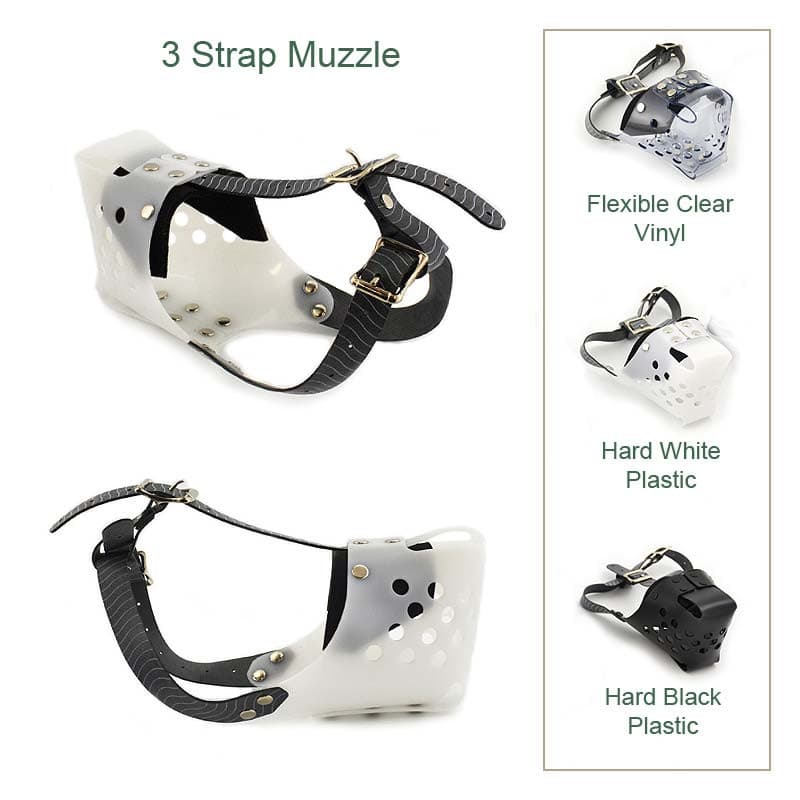
JAFCO Comfortable Dog Muzzles, Hard Plastic & Soft Flexible Versions

BreezeGuard Metal Car Window Guard Screens
Want 10% OFF Your First Order?
Let us email you a COUPON CODE right away. Valid for any purchase, today!
Himalayan Cheese Chew vs Yak Chew for Dogs Compared


Introduction
Natural dog chews have become a popular choice for pet owners seeking healthier and longer-lasting alternatives to traditional treats. Among the most common options are Himalayan cheese chews and yak chews, both known for their natural ingredients and satisfying chewing experience.
At Pet Expertise, we know that choosing the right chew can make a big difference in your dog's enjoyment and safety. This guide compares Himalayan cheese chews and yak chews to help you find the best option for your dog's needs.
What Is a Himalayan Cheese Chew?
Himalayan cheese chews have gained popularity because they offer a natural, long-lasting chewing experience. Originally developed using traditional methods, these chews provide a durable alternative to rawhide and many processed treats.
Origins and Traditional Production Process
Himalayan cheese chews originated in the Himalayan mountain regions where local communities created hardened cheese products for long-term storage and consumption. The traditional recipe has been adapted for dogs while maintaining its simple ingredient profile.
These chews are typically produced using milk, salt, and natural coagulating agents. After production, the cheese is compressed and dried for several weeks, resulting in the hard texture that makes the chew long-lasting.
Ingredients and Nutritional Profile
Most Himalayan cheese chews contain a limited number of ingredients, making them attractive to pet owners seeking natural products. The primary ingredient is milk, which provides protein and essential nutrients.
Key nutritional benefits often include:
-
High protein content
-
Moderate fat levels
-
Minimal additives
-
Limited ingredient formulas
-
Natural composition
Because these chews contain few ingredients, they are often preferred by owners who want a simple treat option for their dogs.
Why Dog Owners Choose Himalayan Cheese Chews
One of the biggest advantages of Himalayan dog chews is their longevity. Dogs can spend extended periods chewing on Himalayan cheese chews without quickly destroying the treat, making them an excellent option for keeping dogs engaged and satisfied.
Pet owners also appreciate that these chews serve as a natural alternative to rawhide products. Their firm structure makes them particularly appealing for moderate and aggressive chewers seeking a satisfying challenge.
What Is a Yak Chew for Dogs?
Yak chews are another popular natural chew option often grouped with Himalayan cheese chews. In many cases, the terms are used interchangeably, though some manufacturers use different recipes and processing methods.
Understanding Yak Chew Ingredients
Yak chews are commonly made using milk from yaks, cows, or a combination of both. The ingredients remain relatively simple and are typically free from artificial preservatives and unnecessary fillers.
The production process involves heating, coagulating, pressing, and drying the cheese mixture until it reaches a dense, durable consistency suitable for prolonged chewing.
Available Sizes and Hardness Levels
Yak chews are available in a variety of sizes to accommodate different breeds and chewing strengths. Following a chew size guide for dogs can help pet owners select the most appropriate option, ensuring both safety and enjoyment during chewing sessions. Choosing the correct size is important for preventing choking risks and maximizing the chew's lifespan.
Common options include:
-
Small chews for toy breeds
-
Medium chews for average-sized dogs
-
Large chews for bigger breeds
-
Extra-large options for power chewers
-
Specialty hardness levels from certain brands
The hardness may vary depending on manufacturing methods and moisture content.
Benefits of Yak Chews for Dogs
Yak chews provide several benefits beyond simple entertainment. Their durable structure encourages extended chewing sessions that can help keep dogs mentally engaged while promoting healthy chewing habits. Regular chewing can also help satisfy a dog's natural instincts and reduce boredom-related behaviors.
Additional advantages include dental support through chewing action, protein-rich nutrition, and reduced boredom in dogs that need consistent stimulation throughout the day.
Himalayan Cheese Chew vs Yak Chew: Key Differences

Although the products appear similar, several factors can influence which chew may be the better choice for a specific dog.
Texture and Hardness Comparison
Some Himalayan cheese chews are processed to achieve a denser texture than standard yak chews. This increased hardness can make them last longer for determined chewers.
However, extremely hard chews may not be ideal for every dog. Dogs with sensitive teeth or lighter chewing habits may prefer slightly softer options that remain enjoyable without excessive effort.
Longevity and Durability
Durability is often one of the main reasons owners purchase these products. In general, both options outperform many conventional treats when it comes to lifespan.
Factors affecting longevity include:
-
Dog size
-
Bite strength
-
Chewing frequency
-
Moisture content
-
Manufacturing process
For aggressive chewers, denser chews typically provide the best value because they require less frequent replacement.
Flavor, Aroma, and Dog Preference
Dogs can have surprisingly strong preferences when it comes to flavor and aroma. Some may gravitate toward a stronger cheese scent, while others show little preference between products.
Picky eaters may require some experimentation before finding a favorite. Fortunately, both chew types generally offer a natural taste profile that appeals to most dogs.
Safety and Risk Assessment
Regardless of which chew you choose, safety should remain a top priority. Proper sizing and supervision can significantly reduce potential risks.
Choking and Swallowing Risks
As with any chew product, there is a possibility that dogs may attempt to swallow large pieces. Selecting an appropriately sized chew is one of the most effective ways to reduce this risk.
Owners should monitor chewing sessions and remove small fragments when they become too small to be safely chewed.
Digestibility and Stomach Sensitivity
Most healthy dogs digest cheese-based chews without significant issues. However, individual sensitivities can vary.
Dogs with dairy sensitivities or digestive concerns may experience mild stomach upset. Introducing any new chew gradually allows owners to monitor for adverse reactions.
Safe Usage Tips for Pet Owners
Responsible use helps maximize benefits while minimizing risks associated with chewing products.
For safe use, remember to:
-
Supervise chewing sessions
-
Choose the correct size
-
Replace small leftover pieces
-
Store chews in a dry location
-
Follow manufacturer recommendations
These simple practices can greatly improve your dog's chewing experience.
Which Dogs Benefit Most From Each Option?
Different dogs have different chewing needs. Age, size, and dental condition all play important roles when selecting a chew.
Best Choice for Puppies and Light Chewers
Young dogs and light chewers often benefit from products that provide moderate resistance without excessive hardness. Chews that are too hard may discourage chewing or create unnecessary strain.
These products can also serve as useful enrichment tools during training and development stages when puppies are learning appropriate chewing behavior.
Best Choice for Power Chewers
Power chewers require highly durable products capable of withstanding intense chewing pressure. Dense Himalayan cheese chews are often preferred because they resist wear for longer periods.
Large breeds and determined chewers generally benefit most from the toughest available options, helping reduce boredom and destructive behavior around the home.
Best Choice for Senior Dogs
Senior dogs may have changing dental needs that affect chew selection. Extremely hard chews may not always be comfortable for aging teeth.
Owners should consider softer alternatives or consult a veterinarian if their dog has existing dental concerns that could make hard chewing uncomfortable.
Cost and Overall Value Comparison

Price is an important consideration, but evaluating overall value requires looking beyond the initial purchase cost.
Initial Purchase Price
Prices vary based on brand reputation, ingredient sourcing, manufacturing quality, and chew size. Premium products generally command higher prices due to stricter quality standards.
Larger chews naturally cost more but often provide better long-term value for bigger dogs.
Cost Per Chewing Session
A chew that lasts significantly longer may actually cost less over time, even if its initial purchase price is higher.
When evaluating value, consider:
-
Expected lifespan
-
Dog chewing habits
-
Replacement frequency
-
Product quality
-
Ingredient sourcing
This broader perspective often reveals which option delivers the greatest return on investment.
When Premium Chews Are Worth the Investment
Premium chews can be worthwhile when they offer superior durability, ingredient quality, and consistency. Fewer replacements often offset the higher upfront cost.
Many owners find that investing in higher-quality chews results in better satisfaction for both themselves and their dogs.
How to Choose the Right Cheese Stick for Your Dog
Selecting the right chew involves more than simply choosing a popular product. Individual needs should always guide the decision.
Consider Your Dog's Size and Breed
Size is one of the most important factors when selecting a cheese chew. A chew that is too small may present safety concerns, while an oversized chew may not be practical for smaller dogs.
Matching chew size to breed and body size helps create a safer and more enjoyable chewing experience.
Evaluate Chewing Habits
Dogs can generally be categorized as light, moderate, or aggressive chewers. Understanding your dog's chewing style makes it easier to select an appropriately durable product.
Monitoring how quickly previous chews were consumed can provide valuable insight into future purchasing decisions.
Check Ingredient Quality and Sourcing
Quality ingredients contribute to both safety and value. Reputable manufacturers are transparent about sourcing and production methods, making premium natural dog chews a trusted choice for many pet owners.
Look for natural ingredients, minimal additives, and clear labeling while avoiding products with unnecessary fillers or questionable ingredient lists.
Conclusion
Both Himalayan cheese chews and yak chews are natural, long-lasting alternatives to traditional dog treats that provide mental stimulation, chewing satisfaction, and potential dental benefits. While Himalayan cheese chews may offer a slight advantage in durability for aggressive chewers, the safest and most effective choice depends on your dog's size, age, chewing habits, and dental health. At Pet Expertise, we recommend choosing a high-quality chew that matches your dog's needs, ensuring a safe, enjoyable, and rewarding chewing experience. Explore our range of natural dog chews to find the right fit for your furry companion.
Frequently Asked Questions
They are very similar and are often marketed interchangeably. However, ingredient sources, processing methods, and hardness levels may vary between brands.
The lifespan depends on your dog's size and chewing intensity. Some dogs may enjoy a chew for several days, while aggressive chewers may finish it more quickly.
Most chews are designed to be consumed gradually. Owners should remove small end pieces that could pose a choking risk and follow manufacturer recommendations.
Himalayan cheese chews can be suitable for puppies, but it's important to choose an appropriately sized chew and ensure your puppy is old enough to handle harder treats. Always supervise chewing sessions to prevent choking hazards.
Store Himalayan cheese chews in a cool, dry place away from direct sunlight and moisture. Proper storage helps maintain their hardness, freshness, and overall quality for longer use.
 Contact Us
- Choosing a selection results in a full page refresh.
- Press the space key then arrow keys to make a selection.