

 support@petexpertise.com
Top Products
4 Simple Steps Anyone Can Use to Stop Their Dog from Pulling on a Leash
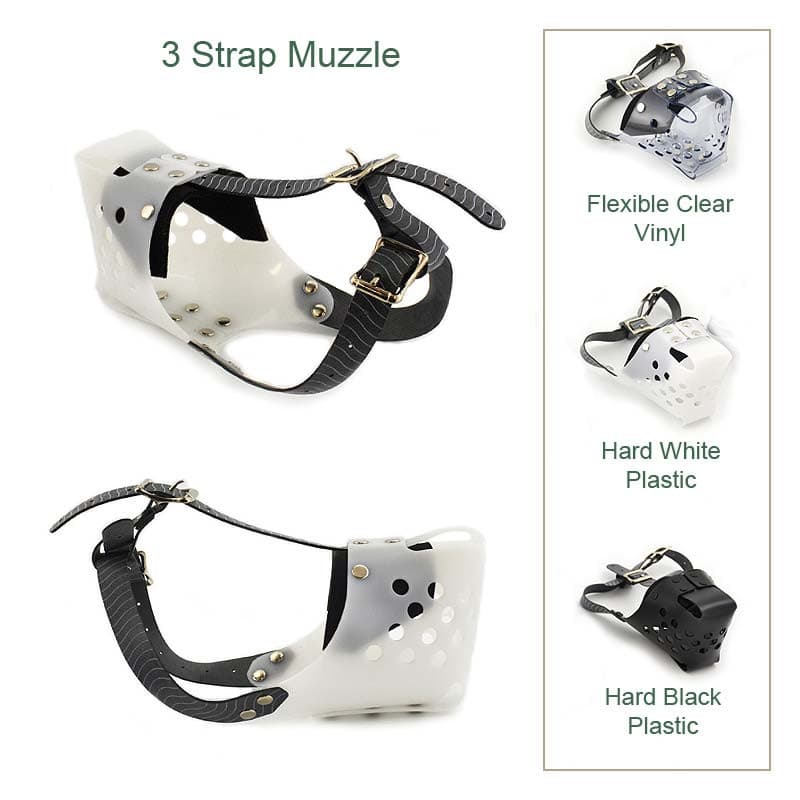
JAFCO Comfortable Dog Muzzles, Hard Plastic & Soft Flexible Versions
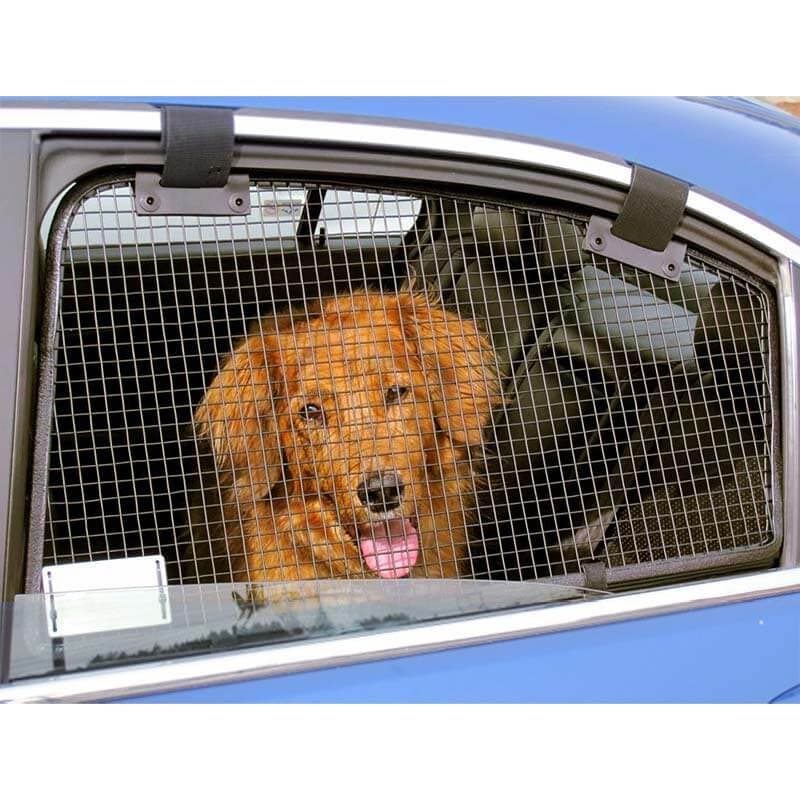
BreezeGuard Metal Car Window Guard Screens
Want 10% OFF Your First Order?
Let us email you a COUPON CODE right away. Valid for any purchase, today!
How to Find Safe Natural Dog Chews for Every Dog Breed


Dogs love to chew. For some, a chew can keep them busy for a while, while others simply enjoy the texture and the act of working on something. Puppies often chew as they explore the world and go through teething, while adult dogs may chew out of habit, boredom, or because they enjoy it.
Finding a suitable chew is about more than looking for one that lasts the longest. Your dog's size, age, chewing habits, diet, and even how they handle different textures can all make a difference. A chew that works well for one dog may not be suitable for another.
Natural dog chews can give dogs something enjoyable to work on and satisfy their natural urge to chew. But the word "natural" does not automatically mean that every product is safe for every dog. Some chews are very hard, some can break into pieces, and some may be difficult for certain dogs to digest.
This guide covers the main types of dog chews and the things to look at before giving one to your dog. It also explains how healthy dog chews and digestible dog chews can fit into your dog's routine based on their individual needs.
What Are Natural Dog Chews?
Natural dog chews are chewing products made from animal-based or minimally processed ingredients. Depending on the product, they may be made from beef, collagen, cheese, antler, or other natural materials.
Some are edible and gradually consumed while the dog chews, while others are mainly intended to provide a longer-lasting chewing activity.
Common examples include:
-
Bully sticks
-
Collagen sticks
-
Himalayan chews
-
Antler chews
-
Natural chew toys
-
Other animal-based edible chews
Natural does not automatically mean suitable for every dog. Before giving your dog a new chew, think about its size, hardness, ingredients, durability, and how your dog normally chews.
Why Do Dogs Need Chews?
Chewing is a normal part of being a dog. Puppies often chew while exploring their surroundings and during teething. Adult dogs may chew because they enjoy it, need something to do, or like the feeling of working on different textures.
A suitable chew can give your dog something to focus on during quiet time and can be a useful part of their daily enrichment. It works best alongside regular walks, play, training, and interaction rather than replacing them.
Different dogs also prefer different textures. Some enjoy softer chews, while others like something firmer that takes more time to work through.
How to Find Safe Natural Dog Chews
There is no single chew that works for every breed. A small dog that gently gnaws on a chew can have very different needs from a large dog that can break one apart within minutes.
When looking at natural dog chews, keep these factors in mind.
1. Look at the Size
Size is one of the first things to consider.
A chew should be large enough that your dog cannot easily swallow it whole, while still being comfortable for them to hold and chew.
A small chew made for a toy breed may disappear quickly when given to a large dog. On the other hand, a very large or hard chew may be difficult for a small dog to handle.
Check the manufacturer's size recommendations and watch your dog closely the first time they use a new chew.
2. Think About Your Dog's Chewing Strength
Dogs can have very different chewing habits.
Some dogs slowly work away at a chew, while others immediately try to break it apart. Heavy chewers may also get through edible chews much faster than dogs that chew more gently.
If your dog quickly destroys thin products, appropriately sized strong chew toys for dogs or thicker edible chews may be worth considering.
However, harder does not always mean better. A product that is extremely hard may put unnecessary pressure on the teeth, so durability should only be one part of the decision.
3. Read the Ingredients
It is always worth checking the ingredient list before giving your dog a new chew.
This is especially important if your dog has allergies, food sensitivities, or a sensitive stomach. A clear ingredient list makes it easier to understand what your dog is eating.
Look for information about:
-
Main ingredients
-
Added flavorings
-
Preservatives
-
Coatings
-
Protein sources
-
Calorie content
If your dog has a known food allergy, check the ingredients carefully and avoid anything that could cause a reaction.
Natural Dog Chews for Small Dogs
Small breeds have smaller mouths and jaws, so they generally need chews that are suitable for their size.
The chew should be manageable enough for the dog to hold and work on without being too large, heavy, or hard.
Good Options for Small Dogs
Depending on the individual dog, options may include appropriately sized collagen sticks, thinner bully sticks, softer chew toys, and other smaller natural chews.
Soft chew toys for dogs can be useful for dogs that enjoy chewing but may not be comfortable with extremely hard products.
It is also important to look at your dog's actual chewing habits. A small dog can still be a strong chewer, so breed size alone should not determine which chew you give them.
Natural Dog Chews for Medium-Sized Dogs
Medium-sized dogs can often handle a wider range of edible and non-edible chews.
However, their chewing style still matters. Some medium dogs are gentle chewers, while others can work through a chew very quickly.
Collagen Sticks
Collagen sticks for dogs can provide an edible chewing option with a firm, chewy texture.
Beef collagen sticks for dogs are commonly available and may appeal to owners looking for an alternative to traditional rawhide.
They come in different sizes and thicknesses, so look at your dog's size and chewing habits when deciding which product may be suitable.
Bully Sticks
Bully sticks are another popular edible option for dogs.
They are available in different lengths and thicknesses. A dog that chews aggressively may get through a thin bully stick quickly, while a thicker one may provide a longer chewing session.
As with any edible chew, keep an eye on how your dog uses it and remove the remaining piece once it becomes small enough to swallow.
Natural Dog Chews for Large Dogs
Large breeds can put considerable pressure on a chew, so size and thickness become particularly important.
A chew that lasts a long time for a small dog may be finished very quickly by a large, powerful chewer.
When looking at natural dog chews for large dogs, consider both the overall size and the thickness of the product.
Large Bully Sticks
Bully sticks for large dogs are available in thicker sizes that provide more material for chewing.
A thicker bully stick may last longer than a thin one, but no edible chew should be treated as indestructible.
Watch your dog while they chew and remove the remaining piece once it becomes small enough to swallow.
Himalayan Dog Chews
Himalayan dog chews are firm, cheese-based chews that can provide a longer chewing experience.
A Himalayan yak chew for dogs may appeal to dogs that enjoy a firm texture. However, these chews can be quite hard.
If your dog bites down very forcefully, keep a close eye on how they use the chew. Very hard products can pose a risk to teeth, so a chew that lasts for a long time is not automatically a better option.
Natural Dog Chews for Puppies
Puppies need extra care when it comes to chews because their teeth and jaws are still developing.
A chew that is suitable for an adult dog may not be appropriate for a young puppy.
Consider the Puppy's Age
Always check the manufacturer's age recommendations before giving a chew to a puppy.
A puppy going through teething may do better with a product designed for their developmental stage and chewing needs.
If you are unsure whether a particular chew is suitable for your puppy, your veterinarian can provide advice based on the puppy's age and dental development.
Avoid Extremely Hard Chews
Very hard products can potentially damage teeth, including developing puppy teeth.
For younger dogs, appropriately sized and more manageable textures may be preferable to extremely hard options.
The phrase antler chews for puppies appears often in searches for long-lasting dog chews, but antlers are very hard. A product should not be given to a puppy simply because it lasts a long time.
Natural Dog Chews for Heavy Chewers
Heavy chewers can make finding a suitable chew a little more difficult.
A dog that destroys every chew within minutes may need a thicker edible product or a durable non-edible toy.
That does not mean the hardest product available is automatically the safest option.
Bully Sticks for Heavy Chewers
Thicker bully sticks can provide more material for dogs that chew aggressively and may last longer than thinner versions.
The size should be appropriate for your dog and large enough that they cannot easily swallow the entire chew.
Keep watching the chew as it gets smaller and remove it when necessary.
Durable Chew Toys
Dog durable chew toys can be a useful alternative to edible products for dogs that enjoy chewing regularly.
A durable toy can be used again as long as it remains intact, which may also help reduce the number of edible treats your dog receives.
Check toys regularly and remove them if pieces start breaking off or the toy becomes damaged.
Are All Natural Dog Chews Safe?
No. The word "natural" describes the ingredients or processing of a product, but it does not guarantee that a chew is safe for every dog.
Depending on the product and how it is used, possible concerns include:
-
Choking
-
Swallowing large pieces
-
Intestinal blockage
-
Tooth fractures
-
Digestive upset
-
Excess calorie intake
-
Food allergies
The right product depends on both the chew itself and the individual dog.
Size, texture, ingredients, chewing habits, and supervision all matter.
What Makes a Healthy Dog Chew?
The phrase healthy dog chews can mean different things, but a suitable chew should fit into your dog's normal diet and be appropriate for their size and chewing style.
Consider these points:
Simple Ingredients
A clearly labeled product makes it easier to understand what your dog is eating.
Appropriate Calories
Edible chews contain calories. If your dog already receives several treats throughout the day, those extra calories can add up.
Suitable Texture
The chew should provide enough resistance to make chewing enjoyable without being excessively hard.
Appropriate Size
A properly sized chew should be large enough that your dog cannot easily swallow it whole.
Supervised Use
Even a suitable chew should be watched while your dog is using it. This is particularly important when introducing something new.
What Are Digestible Dog Chews?
Digestible dog chews are designed to break down and be consumed rather than remain intact after chewing.
Examples can include collagen chews and bully sticks, depending on the product.
However, the word "digestible" does not mean that a dog can safely swallow a large piece. A chew may be digestible over time but still cause a choking or obstruction risk if your dog swallows a large chunk.
This is why supervision is still important, even when a chew is marketed as digestible.
Collagen Chews as a Natural Option
Collagen-based chews are becoming a popular option for owners looking for edible alternatives to rawhide.
Collagen treats for dogs can provide a chewy texture while supplying collagen-rich protein. Beef collagen for dogs is one common option, although products can vary in size, thickness, ingredients, and processing.
When looking at collagen products, consider the same things you would with any other chew: size, ingredients, calorie content, texture, and your dog's chewing behavior.
Himalayan Chews as an Alternative
Himalayan chews offer a different texture from softer edible products.
Himalayan chews for dogs are generally firm and dense and can keep some dogs busy for a longer period, particularly moderate chewers.
Their hardness is also something worth considering. A chew that lasts for a very long time is not necessarily the right fit for every dog.
If your dog has dental problems or tends to chew very forcefully, speak with your veterinarian before giving them an especially hard chew.
Are Antler Chews Suitable for Dogs?
Antler chew toys for dogs are often chosen because they can remain intact for a long time.

Antlers are naturally very hard, which is one reason they can last so long. However, that same hardness can be a concern.
Very hard objects can fracture teeth, while broken pieces may create choking or swallowing risks.
If you are considering large antlers for dogs or a deer antler chew toy for dogs, think about your dog's chewing strength and dental health first.
How long a chew lasts should never be the only thing that matters.
Natural Chew Toys vs Edible Chews
Not every dog needs an edible chew.
Natural chew toys for dogs can provide a reusable chewing activity without adding calories to your dog's diet. They may be useful for dogs that already receive several edible treats throughout the day.
Benefits of Chew Toys
Chew toys can:
-
Give dogs something to do during downtime
-
Offer different textures
-
Be reused when they remain intact
-
Reduce reliance on edible treats
-
Provide mental enrichment
Even durable toys need regular checks. Replace a toy if it becomes damaged, starts shedding pieces, or develops areas that your dog could easily break apart.
How to Introduce a New Chew
When introducing a new chew, start with a short, supervised session.
Watch how your dog interacts with it. Do they chew slowly? Do they immediately try to break off pieces? Do they try to swallow pieces instead of chewing them?
These observations can tell you whether the product is a good fit for your dog.
If your dog develops vomiting, diarrhea, loss of appetite, difficulty breathing, or other concerning symptoms after consuming a chew, stop using the product and seek veterinary advice.
A Simple Dog Chew Guide for Finding the Right Product
If you are not sure which type of chew may work for your dog, start with these basic guidelines.
For Small Dogs
Look for appropriately sized products with manageable textures. Avoid oversized or extremely hard chews.
For Medium Dogs
Consider moderate-size edible chews and durable toys based on your dog's chewing strength and habits.
For Large Dogs
Look for larger and thicker products that cannot be easily swallowed. Keep a close eye on dogs that chew very forcefully.
For Puppies
Follow the recommended age range and look for products suitable for developing teeth and jaws.
For Heavy Chewers
Thicker edible chews or suitable durable toys may work better. Remember that maximum hardness does not automatically mean maximum safety.
For Dogs With Food Sensitivities
Read the full ingredient label and avoid known allergens.
How to Know When a Chew Should Be Removed
A chew should be removed when it becomes small enough to swallow, starts breaking into large pieces, or becomes damaged in a way that makes it unsafe.
For reusable toys, inspect them before every use. Look for cracks, loose sections, missing pieces, or other signs of damage.
For edible chews, do not let your dog continue working on a tiny remaining piece simply because there is still some material left.
Supervision is especially important near the end of a chew's life because the remaining piece may be easier for a dog to swallow.
Conclusion
Finding safe natural dog chews is not simply about picking the hardest or longest-lasting product. Your dog's size, age, chewing strength, dietary needs, and everyday behavior all play a part.
Collagen sticks, bully sticks, Himalayan chews, and suitable natural chew toys can all offer different chewing experiences. Healthy dog chews and digestible dog chews can be useful additions to a dog's routine when they are the right size, have suitable ingredients, and are used with proper supervision.
Pet Expertise provides pet supplies, dog supplies, dog accessories, edible chews, and chew products for pet owners looking at different options for their dogs.
Rather than relying only on breed, product labels, or claims about how long a chew will last, pay attention to how your own dog uses it. That is often the easiest way to understand whether a particular chew is a good fit.
Frequently Asked Questions
Q1. What are the safest natural dog chews?
Q2. Are natural dog chews better than synthetic chews?
Q3. What are the best healthy dog chews?
Q4. What are digestible dog chews?
Q5. Are bully sticks suitable for large dogs?
 Contact Us
- Choosing a selection results in a full page refresh.
- Press the space key then arrow keys to make a selection.