

 support@petexpertise.com

Top Products
4 Simple Steps Anyone Can Use to Stop Their Dog from Pulling on a Leash
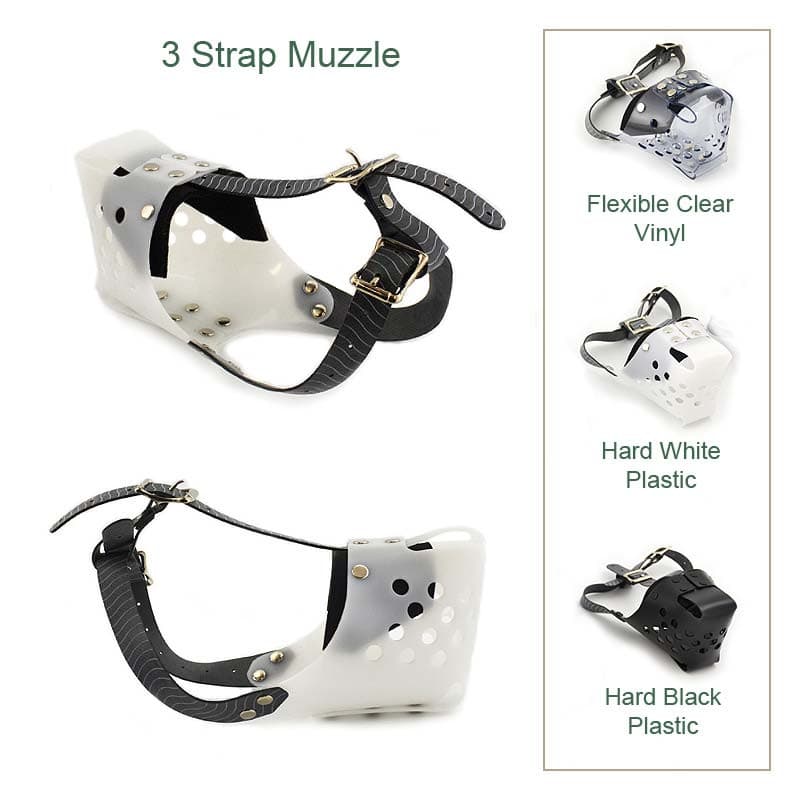
JAFCO Comfortable Dog Muzzles, Hard Plastic & Soft Flexible Versions
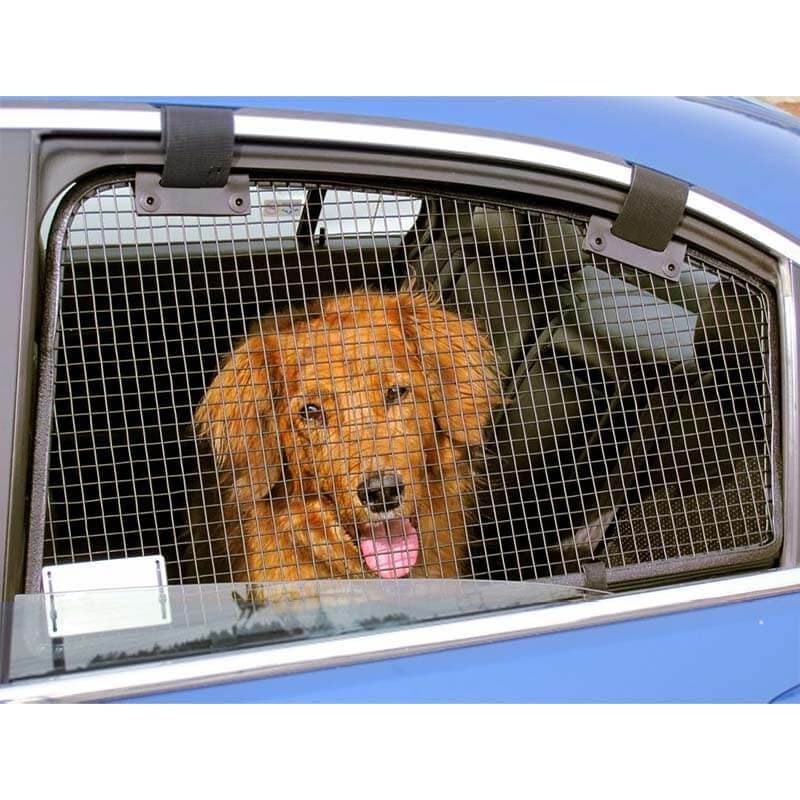
BreezeGuard Metal Car Window Guard Screens
Want 10% OFF Your First Order?
Let us email you a COUPON CODE right away. Valid for any purchase, today!
Safe Dog Chews: Everything Every Pet Owner Should Know


Choosing the right chew for your dog is more than a matter of preference, it’s a safety decision. With so many options on the market, understanding what makes safe dog chews truly safe can help you protect your pet from choking, dental damage, and digestive issues. This guide covers chew selection, supervision, ingredient quality, and life-stage considerations so you can make informed choices with confidence.
Why Chew Safety Matters
Chewing is a natural behavior for dogs. It supports mental stimulation, relieves stress, and can contribute to dental health. However, not all chews are created equal. Some pose serious risks, including tooth fractures, gastrointestinal blockages, or exposure to harmful chemicals.
The goal isn’t to avoid chews altogether but to select safe dog chews that match your dog’s size, age, and chewing style. A chew that’s safe for a gentle adult dog might be dangerous for a power chewer or a puppy with developing teeth.
How to Choose Safe Dog Chews
Selecting a chew involves more than picking the most popular option. Veterinarians and pet safety experts recommend evaluating chews based on hardness, size, digestibility, and ingredient transparency.
Match Hardness to Your Dog’s Teeth
A simple rule of thumb is the thumbnail test. If you cannot press your thumbnail into the surface of the chew and leave a dent, it’s likely too hard and could crack your dog’s teeth. This is especially important for breeds prone to dental fractures.
Chews like antlers, cow hooves, and hard nylon bones often fail this test. Softer, digestible options such as collagen sticks for dogs, Himalayan dog chews, and certain chew toys for dogs are gentler on enamel while still satisfying the urge to gnaw.
Size Matters: Prevent Choking Hazards
A chew should always be larger than your dog’s muzzle. If it can fit entirely in the mouth or slip between the back molars, it’s a choking risk. As the chew wears down, monitor its size closely and remove it before it becomes small enough to swallow.
For large breeds, look for large bully sticks or big antlers for dogs that maintain safe dimensions even after extended chewing. For smaller dogs, choose appropriately sized soft chew toys for dogs or single-ingredient treats that won’t overwhelm their jaws.
Prioritize Digestibility
Highly digestible chews reduce the risk of intestinal blockages. Single-ingredient options like beef collagen sticks for dogs, yak chews for dogs, and bully sticks for dogs in bulk are generally easier on the stomach than multi-ingredient treats filled with starches and artificial additives.
Avoid rawhide, which can swell in the digestive tract and cause obstructions. Instead, opt for naturally processed chews with short, recognizable ingredient lists.
Check Ingredient Quality and Sourcing
Transparent sourcing is a hallmark of safe dog chews. Reputable brands disclose where their ingredients come from and how their products are made. Look for:
- Country of origin clearly labeled
- No artificial colors, flavors, or preservatives like BHA, BHT, or propylene glycol
- No vague terms like “meat by-products” or “animal digest”
- VOHC (Veterinary Oral Health Council) seal for dental chews, indicating tested efficacy and safety
Avoid chews containing xylitol, a sweetener that’s highly toxic to dogs, even in small amounts.
Safe Chews for Puppies
Puppies have delicate, developing teeth and sensitive digestive systems. Choosing safe chews for puppies requires extra caution.
What to Look For
- Soft, flexible textures that won’t damage baby teeth
- Single-ingredient, natural materials like collagen treats for dogs or frozen carrot-based chews
- Supervised chewing sessions to prevent accidental swallowing
What to Avoid
- Hard chews like antlers or hooves
- Rawhide or chemically treated treats
- Small pieces that could be gulped down
Always introduce one new chew at a time and watch for signs of digestive upset or allergic reactions.
Are Dog Dental Chews Safe?
Many pet owners ask, are dog dental chews safe? The answer depends on the product. Dental chews can help reduce plaque and tartar when used correctly, but some contain high levels of starch, artificial additives, or unsafe preservatives.
Red Flags in Dental Chews
- Artificial colors and flavors (e.g., Red 40, Yellow 5)
- Sugars, corn syrup, or excessive fillers
- Chemical preservatives like ethoxyquin
- Lack of VOHC approval
Safer Alternatives
Look for dental chews made with natural ingredients like sweet potatoes, carrots, sea kelp, and alfalfa. Products with the VOHC seal have been tested for safety and effectiveness. Always monitor your dog during chewing and remove small fragments before they become a choking hazard.
Elk Antlers Safe for Dogs?
Antler chews are popular for their durability and natural appeal. But are elk antlers safe for dogs? They can be, if chosen and used correctly.
Benefits of Antler Chews
- Long-lasting for heavy chewers
- Naturally shed, no harvesting harm
- Low splinter risk compared to bones
Risks and Precautions
- Too hard for some dogs, risking tooth fractures
- Can wear down to swallowable sizes
- Not suitable for puppies, seniors, or dogs with dental issues
If you choose antler chews for dogs, select split antlers for beginners, supervise every session, and retire the chew once it becomes small enough to fit in your dog’s mouth. Always perform the thumbnail test—if the antler doesn’t dent, it’s too hard.

Supervision and Choking Prevention
No chew is 100% risk-free without supervision. Even the safest options can become hazardous if left unattended.
Best Practices
- Always watch your dog during the first few chewing sessions with a new product
- Remove small end pieces before they can be swallowed
- Limit chewing sessions to 15–20 minutes to prevent overconsumption
- Store chews in a cool, dry place to maintain freshness and prevent bacterial growth
Signs to Remove a Chew Immediately
- Sharp edges or splinters
- Cracks running along the surface
- Size reduction to less than your dog’s muzzle width
- Unusual behavior like gagging, pawing at the mouth, or digestive upset
Choosing the Right Chew for Every Life Stage
Dogs have different needs at different ages. Tailoring chew choices to your dog’s life stage ensures both safety and satisfaction.
Puppies (Under 1 Year)
Focus on soft, digestible options like collagen stick for dogs or frozen treats. Avoid hard materials that could damage developing teeth.
Adult Dogs (1–7 Years)
Most adult dogs can handle a wider variety of chews, including Himalayan yak chews, bulk collagen sticks for dogs, and durable chew toys for dogs. Match hardness to chewing style—gentle chewers can enjoy softer treats, while power chewers may need tougher options.
Senior Dogs (7+ Years)
Older dogs often have worn enamel or dental disease. Stick to softer, easily digestible chews like beef collagen stick or soft chew toys for dogs. Avoid hard antlers or hooves that could cause pain or fractures.
Conclusion
Selecting safe dog chews is about balancing enjoyment with safety. By considering hardness, size, digestibility, and ingredient quality, you can provide your dog with satisfying chews that support their health and well-being.
For high-quality, thoughtfully sourced options, explore the range of products available at Pet Expertise. As a trusted online pet store, Pet Expertise offers a variety of dog supplies, dog accessories, and pet supplies online, including collagen sticks, Himalayan dog chews, bully sticks in bulk, and antler chews for dogs. Whether you’re looking to buy pet accessories online or stock up on pet stuff online, Pet Expertise provides reliable choices backed by dog expertise and a commitment to pet safety.
Frequently Asked Questions
1. What are the safest chews for puppies?
2. Are dog dental chews safe for daily use?
3. Are elk antlers safe for dogs with strong jaws?
4. How do I prevent choking when giving my dog a chew?
5. What ingredients should I avoid in dog chews?
 Contact Us

- Choosing a selection results in a full page refresh.
- Press the space key then arrow keys to make a selection.