

 support@petexpertise.com

Top Products
4 Simple Steps Anyone Can Use to Stop Their Dog from Pulling on a Leash
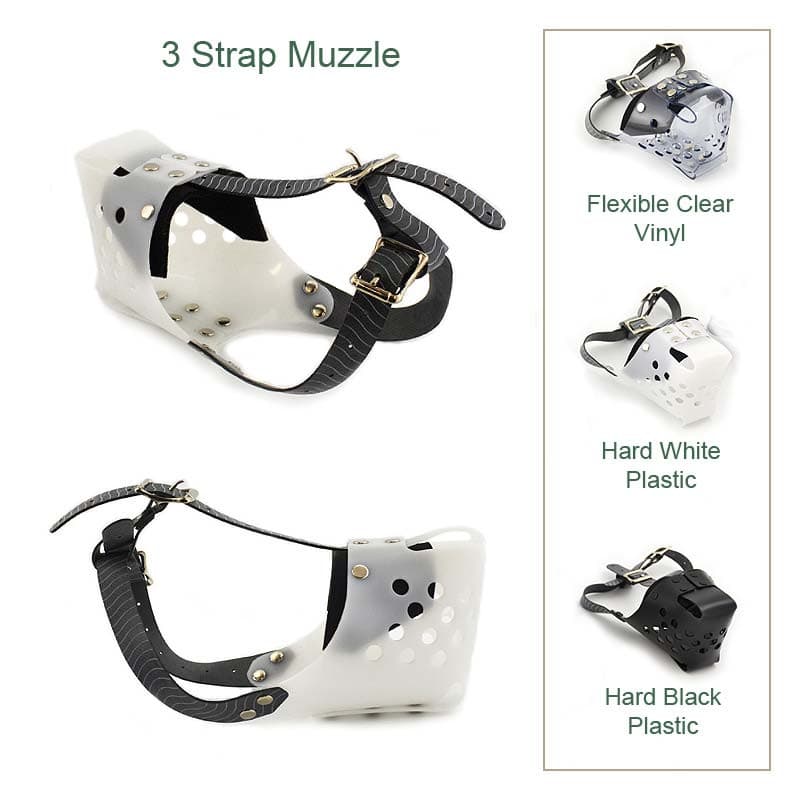
JAFCO Comfortable Dog Muzzles, Hard Plastic & Soft Flexible Versions
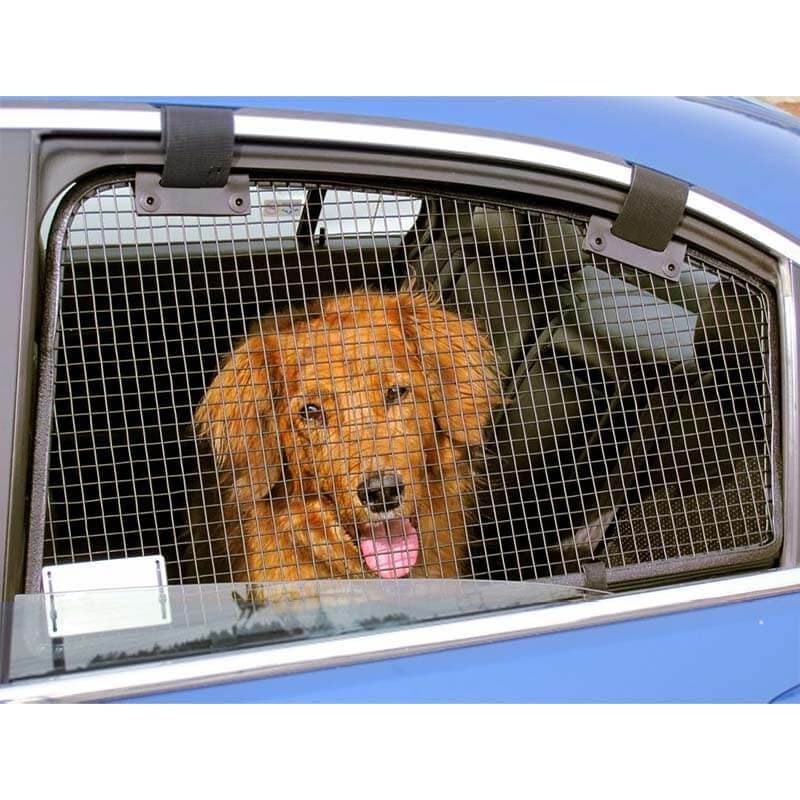
BreezeGuard Metal Car Window Guard Screens
Want 10% OFF Your First Order?
Let us email you a COUPON CODE right away. Valid for any purchase, today!
Safe Puppy Chews: What Puppies Should Chew at Every Growth Stage


Bringing a new puppy home is exciting, but it often comes with chewed furniture, shoes, and hands. Chewing is a natural and necessary behavior for puppies, especially during teething. Providing safe chews for puppies helps soothe sore gums, satisfies their instinct to chew, and protects your belongings from damage.
The key is knowing what should puppies chew on at each stage of their development. Puppies go through distinct teething phases, and their chewing needs change as their teeth grow and their jaws strengthen. This guide explains which chews are appropriate for puppies during each stage of teething while emphasizing safety, supervision, and choosing the correct chew size.
The Puppy Teething Timeline: What to Expect
Birth to 8 Weeks: Baby Teeth Eruption
Puppies are born without teeth. Around 2 to 4 weeks of age, their baby teeth (also called deciduous teeth) begin to erupt. By 5 to 8 weeks, most puppies have a full set of 28 baby teeth.
During this early stage, puppies are usually still with their mother and littermates. They learn bite inhibition through play with other puppies. If you bring your puppy home at 8 weeks, they may already have sharp baby teeth and a strong urge to nibble and mouth.
12 to 16 Weeks: Adult Teeth Begin to Emerge
Around 3 to 4 months of age, baby teeth start falling out and adult teeth begin to replace them. This is when you might find tiny rice-sized teeth on the floor, though most are swallowed harmlessly.
Chewing increases during this period as gums become sore and inflamed. Puppies seek relief by chewing on anything they can find. This is a critical time to introduce safe puppy chews that are gentle on developing teeth.
4 to 6 Months: Peak Teething Phase
Between 4 and 6 months, teething is in full swing. Canine teeth and premolars erupt, and the chewing urge reaches its peak. Gums are often red and tender, and puppies may drool more or seem restless.
This is the most intense chewing phase, and it is essential to provide appropriate safe chews for puppies to prevent destructive behavior and protect their developing teeth from damage.
6 to 7 Months: Adult Teeth Are In Place
By 6 to 7 months, most puppies have all 42 permanent adult teeth. Teething discomfort subsides, but chewing may continue due to habit, boredom, or adolescent energy.
At this stage, you can gradually introduce more durable chews, but supervision remains important. Understanding how long do puppies chew helps set realistic expectations: while teething ends around 6 to 8 months, the chewing instinct never fully disappears.
What Should Puppies Chew On: Safe Options by Age
Under 4 Months: Soft and Gentle Chews
For puppies under 4 months with only baby teeth, choose chews that are soft enough to bend and gentle on fragile teeth. Hard items can crack or damage developing teeth.
Best options include:
- Soft rubber puppy chew toys designed specifically for puppies
- Frozen washcloth twist soaked in water or low-sodium broth and lightly frozen
- Rubber toys stuffed with wet puppy food and lightly frozen for soothing relief
- Cloth rope toys made for puppies, used only under close supervision
Avoid hard nylon toys, antlers, rawhide, and cooked bones at this stage. These can be too hard for baby teeth and pose choking or digestive hazards.
4 to 6 Months: Introducing Medium-Durability Chews
As adult teeth begin emerging, you can introduce slightly firmer chews. However, avoid extremely hard items that could still damage teeth.
Safe options include:
- Soft-to-medium rubber chews that still have some flexibility
- Freezable rubber toys stuffed with puppy-safe food
- Edible teething rings formulated for puppies with limited ingredients
- Frozen carrot only if supervised and the puppy does not break off large chunks
At this stage, you may begin introducing safe chews for puppies like appropriately sized collagen sticks for dogs or soft bully sticks for dogs in bulk, but only under close supervision and for short sessions.
6 Months and Older: Durable Chews for Adult Teeth
Once all adult teeth are in place (around 6 to 7 months), puppies can handle more durable chews. However, always match the chew size to your dog's breed and chewing style.
Appropriate options include:
- Durable rubber chew toys designed for adult dogs
- Supervised bully sticks with a holder to prevent swallowing large pieces
- Puppy-appropriate dental chews that are digestible
- Himalayan dog chews or yak chews for dogs sized for your dog
For large breeds or aggressive chewers, large antlers for dogs or antler chews for puppies may be suitable, but only after adult molars fully erupt around 5 months. Always supervise and discard chews once they start breaking apart.
How Long Do Puppies Chew: Managing the Chewing Phase
Puppies typically chew most intensely between 3 and 6 months of age, with the peak occurring around 4 to 6 months. However, chewing behavior can continue beyond teething due to habit, boredom, or adolescent energy.
Most puppies benefit from structured chew sessions:
- Limit chew time to 10 to 15 minutes per session to avoid upset stomachs
- Rotate between different types of chews to maintain interest
- Supervise all chewing to prevent choking or ingestion of large pieces
- Remove chews once they become small enough to swallow or start breaking apart
Understanding how long do puppies chew helps you plan ahead and provide appropriate safe puppy chews throughout the teething process. While the most intense phase ends around 6 to 8 months, many dogs continue to enjoy chewing throughout their lives as a natural behavior.
What Chews Are Safe for Puppies: Safety Guidelines
Choose the Right Size
One of the most important factors in selecting safe chews for puppies is size. Chews should be large enough that your puppy cannot swallow them whole but small enough for them to grip comfortably. A chew that is too small poses a choking hazard, while one that is too large may be difficult for a small puppy to manage.
Supervision Is Essential
Never leave your puppy alone with a chew. Even safe puppy chews can become hazardous if your dog breaks off large pieces or swallows them too quickly. Supervision allows you to intervene if the chew starts to splinter or if your puppy shows signs of distress.
Avoid Harmful Chews
Some chews pose serious risks to puppies. Avoid the following:
- Cooked bones that can splinter and cause internal injuries
- Rawhide that can swell in the stomach and cause blockages
- Hard nylon toys that can crack baby teeth
- Chews with artificial colors or preservatives that may cause digestive upset
Monitor for Reactions
Introduce one chew at a time and watch for any signs of allergic reactions or digestive issues. If your puppy experiences vomiting, diarrhea, or unusual behavior after chewing, discontinue use and consult your veterinarian.
Best Dog Chews for Puppies: Recommended Options
When selecting best dog chews for puppies, consider both safety and nutritional benefits. Here are some vet-approved options:
Collagen Sticks for Dogs
Collagen sticks for dogs or beef collagen sticks for dogs are soft, digestible, and rich in protein. They are gentle on puppy teeth and provide a satisfying chew experience. Collagen treats for dogs also support joint health and are a healthier alternative to rawhide.
Bully Sticks for Dogs in Bulk
Bully sticks for dogs in bulk are made from single-ingredient beef and are highly digestible. They are long-lasting and help satisfy the chewing instinct. For puppies, choose thinner chewy bully sticks and always supervise to prevent choking.
Himalayan Dog Chews
Himalayan dog chews or Himalayan yak chews are made from natural ingredients like yak milk and are free from preservatives. They are long-lasting and safe for puppies once adult teeth emerge. Himalayan cheese chew options are also available for smaller breeds.

Antler Chews for Dogs
Antler chews for dogs or deer antler chew toy for dogs are natural, long-lasting, and rich in minerals. However, they should only be introduced after adult teeth are fully developed (around 5 to 6 months) to avoid tooth fractures. Always choose antler chews for puppies that are appropriately sized.
Chew Toys for Dogs
High-quality chew toys for dogs made from durable rubber are excellent for teething puppies. Look for dog durable chew toys or soft chew toys for dogs that can be stuffed with treats and frozen for added soothing relief.
Conclusion
Providing safe chews for puppies at each stage of teething is essential for your puppy's comfort, dental health, and behavior. By understanding what should puppies chew on and how long do puppies chew, you can make informed choices that keep your puppy safe and satisfied.
Remember to always supervise chewing sessions, choose the correct chew size, and avoid harmful options like cooked bones or rawhide. With the right safe puppy chews, you can help your puppy navigate the teething phase successfully while protecting your home from destructive chewing.
Visit Pet Expertise to buy pet accessories online and find the best dog chews for puppies that meet your puppy's needs at every growth stage. With Pet Expertise, you can trust that you are getting pet supplies from pet experts who understand the importance of safe chews for puppies and overall pet wellness.
Frequently Asked Questions
1. What are the safest chews for puppies under 4 months?
2. How long does the puppy teething phase last?
3. Can puppies chew on bully sticks?
4. Are antler chews safe for puppies?
5. How do I know if a chew is too hard for my puppy?
 Contact Us

- Choosing a selection results in a full page refresh.
- Press the space key then arrow keys to make a selection.