

 support@petexpertise.com
Top Products

4 Simple Steps Anyone Can Use to Stop Their Dog from Pulling on a Leash
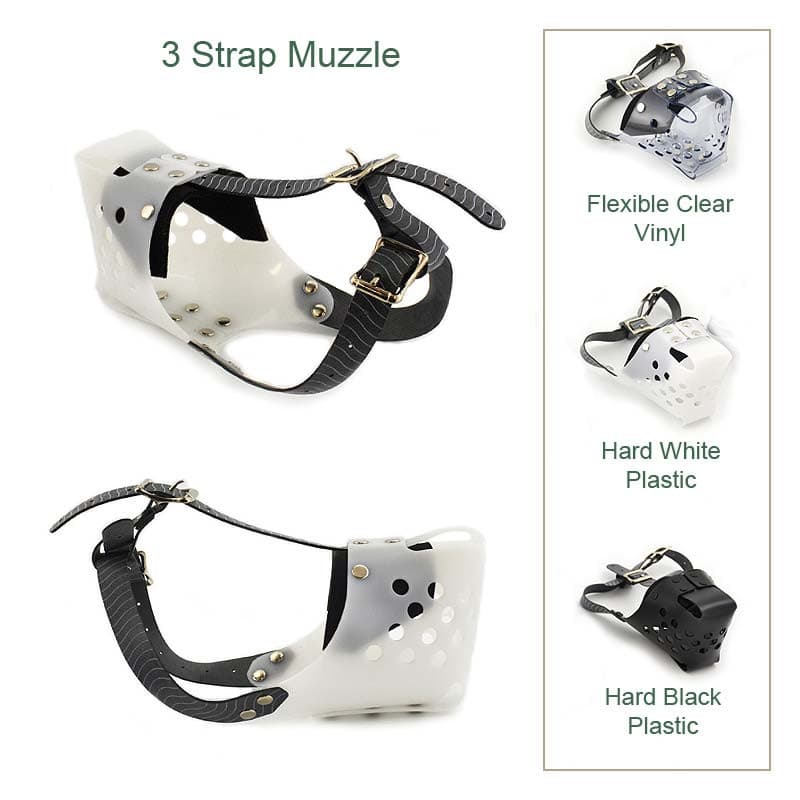
JAFCO Comfortable Dog Muzzles, Hard Plastic & Soft Flexible Versions
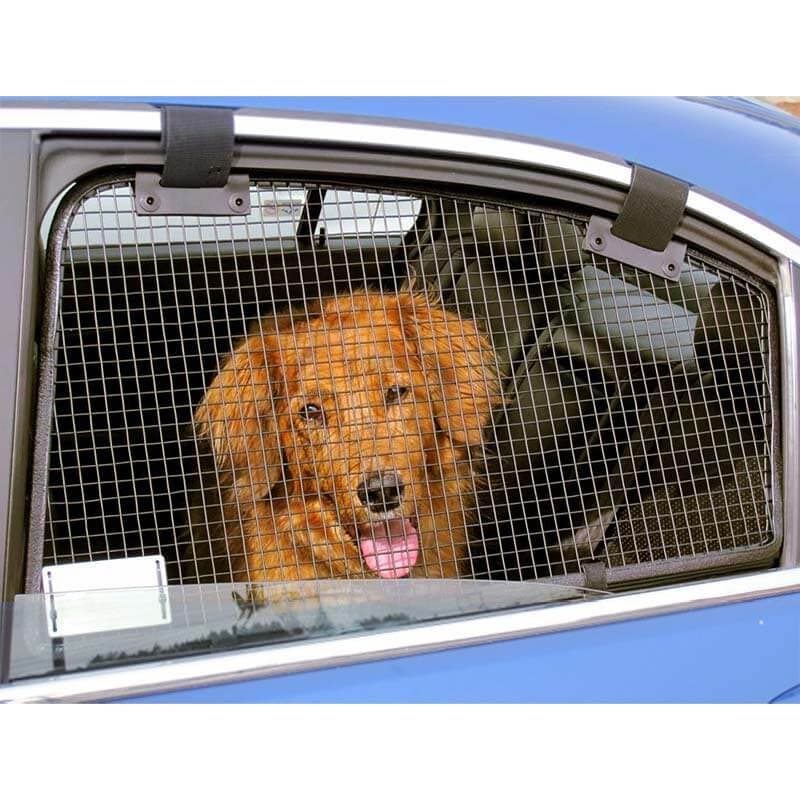
BreezeGuard Metal Car Window Guard Screens
Want 10% OFF Your First Order?
Let us email you a COUPON CODE right away. Valid for any purchase, today!
How to Choose Dog Chew for Dog Size Age: A Complete Guide for Safe and Smart Chew Selection


Choosing the right chew for your dog may look simple, but it requires careful thought to keep your pet safe and happy. If you want to understand how to choose dog chew for dog size age, you must consider factors like chewing strength, jaw development, and personality. A chew that is perfect for a small, gentle puppy may be completely unsuitable for a powerful adult dog or a senior with sensitive gums. Because chewing supports emotional health, jaw strength, and enrichment, giving your dog the right chew can improve their daily life in many ways.
Dogs chew for comfort, stress relief, play, and exploration. Chewing also redirects energy away from unwanted behaviors. When a chew matches your dog’s physical and behavioral needs, the outcome is safer, more enjoyable, and longer lasting. This guide explains how to identify the best chew options for different sizes, ages, and temperaments while highlighting choices that support healthy habits at every stage.
Why Dogs Need Chews
Chewing is a natural instinct. Puppies chew to explore and soothe teething discomfort. Adult dogs chew to relax or release excess energy. Senior dogs chew to stay mentally active. Chewing strengthens jaw muscles and occupies your dog during quiet moments. It also helps reduce stress because the rhythmic action creates calming effects. When dogs chew regularly, they stay more balanced, and their environment remains peaceful.
Size Matters: Matching Chews to Your Dog’s Build
Your dog’s size influences the type of chew they need. Small dogs should have chews that are easy to pick up and carry, while larger dogs need more durable options that withstand stronger jaw pressure. One of the most important steps in how to choose dog chew for dog size age is selecting the right size to prevent choking or accidental swallowing. The chew should be large enough to hold safely but not so big that handling becomes uncomfortable.
Larger breeds require firmer textures that don’t crumble under force. Smaller breeds often enjoy softer or moderate textures because they can manipulate them without strain. Mid-sized dogs fall somewhere in between, benefiting from balanced firmness and comfortable shapes.
Understanding Chew Texture and Firmness
Texture determines how enjoyable and safe a chew will be for your dog. Soft chews suit gentle nibblers or dogs with sensitive mouths. Medium-firm chews work for dogs who enjoy steady chewing but do not require intense resistance. Firm chews serve powerful chewers who need something challenging.
The best dog chew types offer a range of textures that match different chewing styles. Soft textures are comforting for dogs who chew lightly. Firmer textures satisfy dogs who crave pressure and strength during long chewing sessions. Watching your dog chew helps you find the right balance.
Chew Stick vs Chew Bone
A common comparison is choosing between a chew stick vs chew bone. Both shapes serve different purposes depending on your dog’s behavior.
Chew sticks are narrow and easy to grasp. Dogs that like holding things with their paws usually enjoy sticks because they can tilt and rotate them while chewing. These sticks encourage active chewing and movement.
Chew bones feel sturdy and stable. They work well for dogs that prefer lying down while chewing. Bone shapes offer wider grip points and typically last longer for dogs who apply steady pressure.
Your dog may enjoy both shapes, but their chewing style and temperament will guide your decision.
Puppy Chewing Guide: Chews for Young Dogs
A puppy chewing guide always starts with gentle textures. Puppies have delicate gums and developing teeth, so they need soft to medium chew options. These textures soothe teething discomfort while teaching healthy chewing behavior. Hard chews are not suitable for puppies because they can damage young teeth.
Lightweight designs help puppies grip their chews easily. Rotating different textures keeps them curious and prevents chewing on household items. Because puppies explore the world through their mouths, giving them safe options supports better habits early in life.
Chews for Adult Dogs
Adult dogs have strong jaw muscles and predictable chewing routines. Many adults enjoy medium to firm chews that last longer and offer satisfying resistance. Choosing chews for adults depends on chewing intensity. Strong chewers need durable materials that withstand pressure, while moderate chewers can enjoy a variety of textures.
Adult dogs also benefit from mentally stimulating options. The interactive dog chews benefits include improved focus, reduced boredom, and better emotional balance. Adult dogs often require enrichment to stay content, and interactive designs offer both challenge and satisfaction.

Chews for Senior Dogs
Senior dogs need extra care when selecting chews. A senior dog chew safe approach focuses on softer textures that protect aging teeth. Senior dogs often enjoy gentle chewing that keeps them mentally engaged without causing discomfort. Flexible chews help older dogs maintain comfort while still enjoying the activity.
Avoid very hard chews for seniors because they can strain gums or cause tooth issues. Instead, choose consistent textures that compress easily and keep chewing enjoyable for older pets.
Matching Chews to Temperament
Temperament influences the type of chew your dog will enjoy. Energetic dogs often like firm chews that keep them busy. Gentle or sensitive dogs might prefer soft textures that feel comfortable. Confident dogs typically enjoy heavier shapes that encourage focused chewing. Dogs that love variety benefit from rotating textures.
If your dog gets bored easily, interactive designs can help maintain interest. Observing your dog's chewing style gives you clues about their preferences and needs.
Benefits of Interactive Chews
Interactive chews combine mental and physical stimulation. Dogs enjoy solving small challenges while chewing, which increases engagement. These chews help reduce boredom, encourage problem-solving, and support calm behavior.
Interactive chews also improve attention span and redirect energy in a positive direction. They help dogs stay mentally sharp and emotionally stable.
Introducing New Chews the Right Way
When offering a new chew, introduce it during a relaxed moment. Allow your dog to explore it at their own pace. If they seem unsure, hold the chew or place it near them during a calm period. Always supervise early sessions to understand how your dog interacts with the texture and shape.
Over time, rotate different chew types to maintain excitement. Dogs enjoy novelty, and switching textures helps prevent boredom and encourages balanced chewing habits.
Safety Guidelines When Choosing Chews
Safety should always guide your choices. Select chews that match your dog’s size, age, and chewing power. Watch your dog closely when they receive a new chew. Remove damaged or overly small pieces to prevent accidents. Puppies and seniors need softer textures, while strong adult chewers need firm options.
Understanding your dog’s chewing behavior helps you avoid risky situations and ensures that chewing remains a safe experience.
Building a Healthy Chew Routine
Chew routines provide structure and balance. Dogs benefit from chewing sessions during calm times, such as the afternoon or evening. Chew time helps dogs unwind and supports emotional regulation. Puppies benefit from several short sessions, while adults enjoy longer, more focused chewing. Seniors require gentle, shorter sessions to stay comfortable.
Regular routines also help reduce destructive behavior and make chewing a predictable part of your dog’s day.
Monitoring Chewing Habits Over Time
Dogs change as they grow older. A puppy who prefers soft chews may later enjoy firmer textures as an adult. Seniors often return to softer options. Monitor changes in chewing habits and adjust based on comfort, interest, and ability. If your dog stops enjoying a certain texture, explore alternatives.
By staying observant, you support your dog’s comfort and safety across all life stages.

Conclusion
Selecting the right chew is vital for your dog’s health, happiness, and safety. At PetExpertise, we understand that knowing how to choose dog chew for dog size age can make all the difference in providing your dog with chews that suit their physical abilities and emotional needs. Whether you are choosing gentle chews for a teething puppy, firm textures for an energetic adult, or soft options for a senior dog, the focus should always be on balance, safety, and careful observation. With the right chew, your dog stays engaged, relaxed, and content, creating a more enjoyable experience for both of you.
For dog owners looking to provide the perfect chew for their dog’s size and age, the Collagen Sticks for Dogs from PetExpertise.com offer a safe, durable, and thoughtfully designed option that supports healthy chewing habits at every life stage.
FAQs
 Contact Us
- Choosing a selection results in a full page refresh.
- Press the space key then arrow keys to make a selection.