

 support@petexpertise.com
Top Products

4 Simple Steps Anyone Can Use to Stop Their Dog from Pulling on a Leash
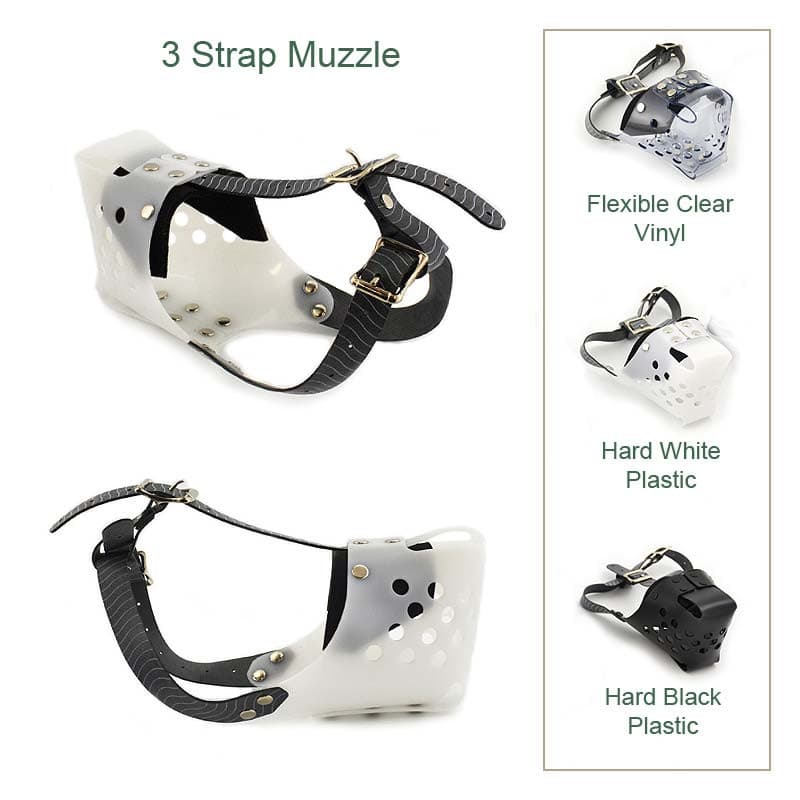
JAFCO Comfortable Dog Muzzles, Hard Plastic & Soft Flexible Versions

BreezeGuard Metal Car Window Guard Screens
Want 10% OFF Your First Order?
Let us email you a COUPON CODE right away. Valid for any purchase, today!
Collagen Based Dog Chews vs Synthetic Supplements Compared


Introduction
As more pet owners focus on preventive wellness, collagen has become a popular choice for supporting joint health, skin elasticity, and coat condition in dogs. Today, dog owners can choose between collagen based dog chews and synthetic supplements, both designed to provide collagen but through different methods and formulations.
While collagen chews offer a natural chewing experience along with nutritional benefits, synthetic supplements provide convenient and precise daily dosing. In this guide, Pet Expertise compares collagen based dog chews and synthetic supplements based on nutrition, effectiveness, safety, cost, and suitability to help you choose the right option for your dog.
What Are Collagen Based Dog Chews?
Collagen based dog chews are natural chew products made from collagen-rich animal tissues. Unlike processed supplements, collagen dog chews deliver collagen through a chewing experience that many dogs naturally enjoy.
Because collagen occurs naturally in connective tissues, these chews often contain additional nutrients that support overall canine wellness while providing long-lasting chewing satisfaction.
Natural Sources of Collagen in Dog Chews
Most collagen dog chews are derived from bovine sources. Manufacturers carefully process collagen-rich tissues while preserving much of their natural protein structure.
Common sources include:
-
Beef hide collagen
-
Bovine connective tissues
-
Naturally occurring collagen proteins
-
Tendons and collagen-rich animal parts
-
Protein-rich structural tissues
These natural sources deliver collagen in a form that closely resembles what dogs may encounter in ancestral diets.
How Dogs Consume and Digest Collagen Chews
The chewing process is one of the key differences between collagen chews and synthetic supplements.
Dogs gradually break down the chew through repetitive chewing, releasing nutrients over time. Saliva helps soften the material, while digestive enzymes continue the breakdown process once consumed.
This slower consumption may provide a more sustained nutrient release compared to supplements that are swallowed immediately.
Key Benefits Beyond Supplementation
Collagen chews offer advantages that extend beyond nutritional support.
Many dogs benefit from:
-
Dental cleaning through chewing action
-
Reduced boredom and destructive behavior
-
Mental stimulation and enrichment
-
Extended chewing satisfaction
-
Natural chewing instinct fulfillment
These additional benefits often make collagen chews attractive to owners seeking both nutritional and behavioral enrichment. Many pet owners also appreciate the benefits of collagen sticks for dogs, which can include mental stimulation, chewing satisfaction, and support for overall wellness.
What Are Synthetic Collagen Supplements?
Synthetic collagen supplements are manufactured products designed to deliver concentrated collagen nutrients in controlled amounts. They are widely available and often recommended when precise dosing is important.
These supplements focus primarily on nutritional delivery rather than providing a chewing experience.
Common Forms Available for Dogs
Collagen supplements come in several convenient forms that can fit different feeding routines.
Popular options include:
-
Powders mixed into food
-
Capsules and tablets
-
Liquid collagen formulas
-
Soft chews with added ingredients
-
Functional supplement treats
Each format offers varying levels of convenience and acceptance among dogs.
How Synthetic Collagen Is Manufactured
Manufacturers typically extract collagen from animal sources and process it into concentrated forms. The collagen may be hydrolyzed into smaller peptides designed for easier absorption.
During production, companies often add ingredients such as vitamins, minerals, flavor enhancers, and other joint-support compounds.
The final product may contain isolated collagen ingredients alongside complementary nutrients that target specific health concerns.
Typical Reasons Owners Choose Supplements
Many pet owners select supplements because they offer consistency and convenience.
Common reasons include:
-
Easy daily administration
-
Measured serving sizes
-
Veterinary recommendations
-
Precise nutrient tracking
-
Support for specific medical needs
For dogs requiring structured health management, supplements can simplify nutritional planning.
Collagen Based Dog Chews vs Synthetic Supplements: Nutritional Comparison

Although both products provide collagen, their nutritional profiles can differ significantly.
Understanding these differences helps owners make informed choices based on their dog's individual needs.
Collagen Content and Protein Quality
Collagen chews contain collagen within a natural protein matrix. This means dogs receive collagen along with other naturally occurring proteins and nutrients found in the original tissue.
Synthetic supplements, on the other hand, often provide concentrated collagen levels. The processing methods allow manufacturers to deliver specific amounts of collagen in each serving.
As a result, supplements may contain higher collagen concentrations, while chews may offer broader nutritional diversity.
Absorption and Bio availability
Bio availability refers to how effectively the body can absorb and utilize nutrients.
Several factors influence collagen absorption:
-
Digestive efficiency
-
Product formulation
-
Feeding routine
-
Individual health status
-
Age and activity level
Hydrolyzed collagen supplements are specifically designed to support efficient digestion. However, collagen chews may benefit from gradual breakdown during chewing, potentially aiding digestive processing.
Additional Nutrients Found in Each Option
Natural collagen chews often contain amino acids and trace minerals that occur naturally in animal tissues.
Supplements may include additional nutrients such as vitamin C, glucosamine, chondroitin, or omega fatty acids depending on the formulation.
The choice often comes down to whether owners prefer naturally occurring nutrients or highly targeted formulations.
Effectiveness for Joint, Skin, and Coat Health
Collagen is frequently used to support mobility, skin health, and coat quality. Both delivery methods can contribute to these goals when used consistently. Many pet owners choose collagen chews for joint health as part of their dog's daily wellness routine to help support active movement and overall comfort.
Support for Joint Mobility and Cartilage
Collagen serves as a fundamental component of cartilage, tendons, ligaments, and connective tissues.
Regular collagen intake may help support:
-
Joint flexibility
-
Cartilage maintenance
-
Mobility in aging dogs
-
Exercise recovery
-
Overall connective tissue health
Most owners report that visible benefits require several weeks or months of consistent use.
Impact on Skin Elasticity and Coat Condition
Healthy collagen levels contribute to skin structure and hydration, which can influence coat appearance and skin resilience over time. Many pet owners choose collagen sticks for dogs as a convenient way to support these benefits while providing a satisfying chew.
Dogs receiving collagen support may experience improvements in coat texture, shine, and overall skin condition. Results can vary based on age, genetics, nutrition, and overall health.
Which Option Delivers More Consistent Results?
Consistency is often the deciding factor in long-term success.
Synthetic supplements generally offer greater dosage control because every serving contains a measured amount of collagen. Collagen chews, while beneficial, may vary slightly in collagen content depending on size and source.
For owners prioritizing precision, supplements may provide an advantage. For those focused on overall wellness and enrichment, chews can be highly effective.
Safety Comparison: Which Option Is Safer?
Safety should always be a primary consideration when selecting any canine supplement or chew product.
Both options are generally safe when sourced from reputable manufacturers and used appropriately.
Potential Risks of Collagen Dog Chews
Choosing the correct chew size is essential for safety.
Potential concerns include:
-
Overconsumption
-
Digestive discomfort
-
Choking hazards from small pieces
-
Poor-quality sourcing
-
Inappropriate sizing for the dog
Supervision is recommended whenever introducing a new chew product.
Possible Side Effects of Synthetic Supplements
Most dogs tolerate collagen supplements well, but some may experience mild digestive upset.
Possible issues include:
-
Stomach sensitivity
-
Loose stools
-
Ingredient intolerance
-
Artificial additive reactions
-
Flavoring sensitivities
Monitoring your dog's response during the first few weeks is important.
Quality Standards and Product Selection Tips
Product quality has a major impact on safety and effectiveness.
Look for manufacturers that provide transparent ingredient sourcing, clear labeling, and quality-control standards. Third-party testing can offer additional confidence in product purity and consistency.
At Pet Expertise, educating owners about ingredient transparency remains a key part of responsible pet wellness decision-making.
Cost and Value Comparison

Budget considerations often influence purchasing decisions, especially for long-term supplementation programs.
Initial Purchase Cost
Collagen dog chews and supplements vary widely in price depending on brand, ingredient quality, and serving quantity.
Generally, premium collagen chews may cost more per package, while supplements can range from affordable powders to specialized veterinary formulations.
Long-Term Cost of Daily Use
Monthly expenses depend on dog size, feeding frequency, and household needs.
Factors affecting long-term costs include:
-
Daily serving requirements
-
Number of dogs in the household
-
Product concentration
-
Subscription discounts
-
Veterinary recommendations
Large breeds typically require more collagen support, increasing monthly costs regardless of product type.
Overall Value for Different Dog Owners
Value is not solely determined by price.
Active dogs may benefit from the enrichment and chewing satisfaction provided by collagen chews. Senior dogs may benefit from precise supplementation programs. Owners focused on preventive wellness often evaluate both nutritional and behavioral benefits when determining value.
Which Dogs Benefit Most From Each Option?
Different dogs have different needs, making product selection highly individual.
Best Candidates for Collagen Based Dog Chews
Collagen chews are often ideal for dogs that naturally enjoy chewing activities. Among the many collagen chew options available, choosing the right size and texture can help match your dog's chewing habits and needs.
They may be especially suitable for:
-
Moderate chewers
-
Heavy chewers
-
Active dogs
-
Dogs needing enrichment
-
Dogs with healthy teeth
The combination of nutrition and engagement makes chews attractive for many households.
Best Candidates for Synthetic Supplements
Supplements may be a better option for dogs that cannot safely enjoy hard chews.
This includes:
-
Senior dogs with dental issues
-
Dogs recovering from procedures
-
Dogs requiring strict dosing
-
Dogs with chewing restrictions
-
Medically managed dogs
The controlled nature of supplementation can simplify health management plans.
Situations Where Combining Both May Make Sense
In some cases, owners use both products together. This approach can be beneficial for dogs with specific wellness needs and may even include age-appropriate collagen chews for puppies when recommended and properly sized.
A balanced approach may involve a collagen chew for enrichment alongside a supplement recommended by a veterinarian. Customized plans can address both behavioral and nutritional goals simultaneously.
How to Choose the Right Collagen Product for Your Dog
Selecting the right collagen product requires careful evaluation of ingredients, lifestyle factors, and health goals.
Evaluating Ingredients and Sourcing
Always review ingredient labels carefully before purchasing.
Look for:
-
Natural ingredients
-
Transparent sourcing
-
Minimal fillers
-
Reputable manufacturing practices
-
Clearly identified collagen sources
Higher-quality products often provide greater confidence regarding safety and consistency.
Matching Products to Age and Lifestyle
Life stage plays a major role in product selection.
Puppies may benefit from general nutritional support during growth. Adult dogs often use collagen for maintenance and activity recovery. Senior dogs frequently receive collagen as part of mobility and healthy-aging programs.
The right product should align with your dog's daily activity level and wellness objectives.
Questions to Ask Before Buying
Before making a purchase, consider several important questions.
Ask yourself:
-
What health goal am I targeting?
-
How often will I provide the product?
-
Does my dog enjoy chewing?
-
Has my veterinarian provided recommendations?
-
Does the product have quality certifications?
Answering these questions can simplify the selection process and improve long-term satisfaction.
Conclusion
When comparing collagen based dog chews and synthetic supplements, there is no single best option. Both can support joint, skin, and coat health, but they offer different benefits. Collagen chews provide natural collagen, enrichment, and chewing satisfaction, while supplements offer convenient and precise dosing.
The right choice depends on your dog's age, health needs, and lifestyle. At Pet Expertise, we recommend selecting high-quality products that match your dog's wellness goals. For help choosing the best option, contact our team at Pet Expertise.
Frequently Asked Questions
Neither option is universally better. Collagen chews provide enrichment and natural nutrition, while supplements offer controlled dosing and convenience.
Many owners notice improvements within several weeks, although joint and skin benefits often become more noticeable after consistent use over several months.
Many collagen chews are suitable for puppies, but owners should always follow age recommendations and choose appropriate sizes.
Most high-quality supplements are safe when used according to manufacturer guidelines or veterinary recommendations.
In some situations, yes. However, it is important to monitor total intake and consult a veterinarian if your dog has specific health conditions.
 Contact Us
- Choosing a selection results in a full page refresh.
- Press the space key then arrow keys to make a selection.