

 support@petexpertise.com
Top Products
4 Simple Steps Anyone Can Use to Stop Their Dog from Pulling on a Leash
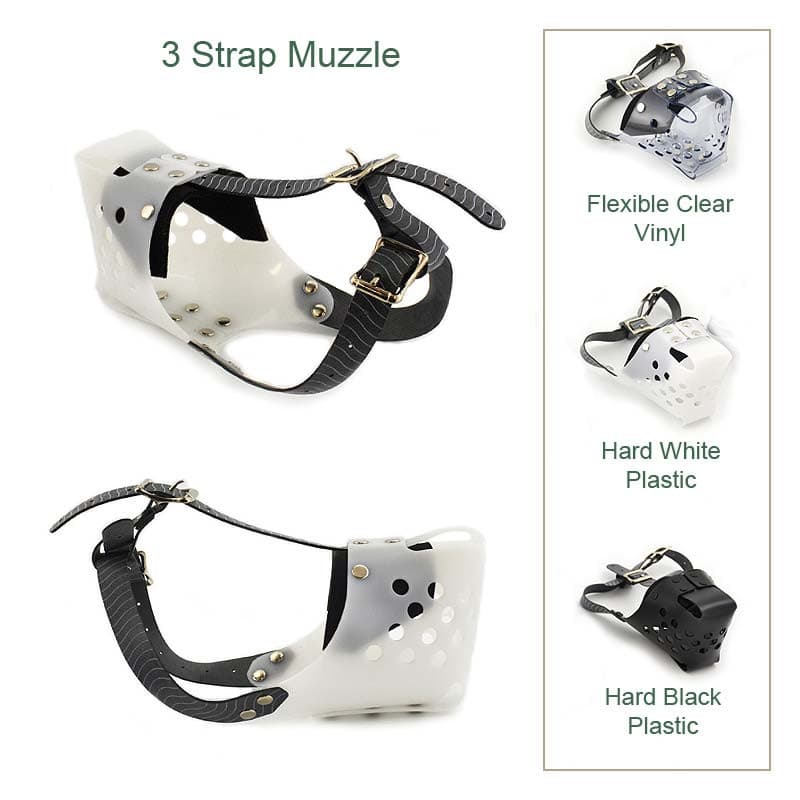
JAFCO Comfortable Dog Muzzles, Hard Plastic & Soft Flexible Versions
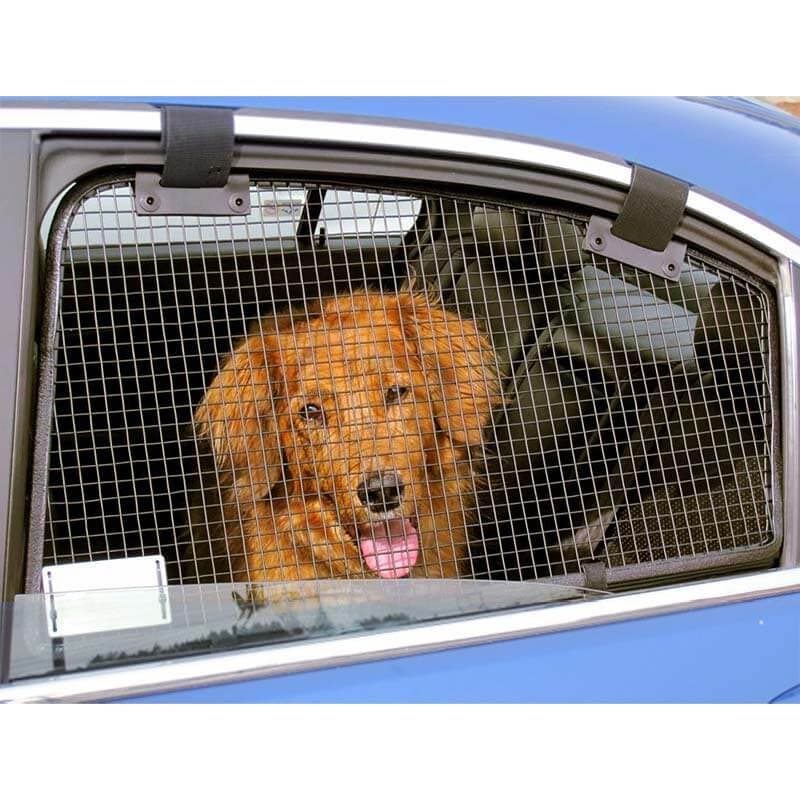
BreezeGuard Metal Car Window Guard Screens
Want 10% OFF Your First Order?
Let us email you a COUPON CODE right away. Valid for any purchase, today!
Ultimate Guide to Collagen Dog Chews for Joint Health


Collagen dog chews are protein-rich natural chews that help support joint health, cartilage strength, and mobility in dogs. They are generally easier to digest than rawhide and provide structural collagen that supports connective tissues. When given in the proper size and moderation, collagen dog chews can be a safe and beneficial addition to most dogs’ routines.
As dogs age or remain highly active, their joints experience consistent wear and tear. Cartilage gradually loses elasticity, and natural collagen production slows down over time. Because of this, many pet owners look for nutritional ways to support long-term joint comfort. Collagen chews provide a convenient and enjoyable solution that combines chewing satisfaction with structural protein support.
In addition to joint health, collagen treats for dogs may also contribute to healthier skin, stronger nails, and improved coat texture. Since chewing is a natural instinct for dogs, dog collagen chews offer both behavioral enrichment and nutritional value in one product. When selected carefully and fed responsibly, they can become part of a balanced wellness routine.
What Are Collagen Dog Chews?
Collagen dog chews are natural chews made from the inner layer of animal skin, commonly sourced from beef. Unlike heavily processed rawhide, these chews retain collagen protein, which plays a direct role in maintaining connective tissues. Dog collagen chews are specifically designed to provide chewing enjoyment while delivering structural nutritional benefits.
Collagen is the most abundant protein in a dog’s body. It forms the framework of cartilage, tendons, ligaments, bones, and skin. As natural collagen production decreases with age, supplementation through collagen treats for dogs may help maintain flexibility and structural strength. While they are not medical treatments, collagen chews can support overall joint wellness when included in a balanced diet.
Key Characteristics of Collagen Chews
· Made from collagen-rich inner skin layers that preserve natural protein structure and provide meaningful nutritional value.
· High in protein, which supports muscle maintenance while also contributing to connective tissue strength.
· Generally more digestible than traditional rawhide, reducing the likelihood of digestive discomfort when used properly.
· Provide targeted joint and cartilage support through naturally occurring collagen content.
· Offer mental stimulation and help reduce boredom-related behaviors through safe chewing activity.
How Collagen Dog Chews Support Joint Health
Collagen dog chews provide amino acids such as glycine and proline, which are essential for maintaining cartilage and connective tissues. Cartilage acts as a cushion between bones, allowing smooth and pain-free movement. When cartilage begins to break down, stiffness and discomfort may follow. Supporting collagen intake can help maintain structural integrity.
Regular use of collagen chews may contribute to improved flexibility and mobility over time. Although results vary depending on age and overall health, consistent supplementation can play a supportive role in joint care. For senior dogs and active breeds, collagen treats for dogs may be especially beneficial as part of a broader wellness strategy.
1. Supports Cartilage Structure
Healthy cartilage depends on collagen fibers for strength and resilience. Supplementing with dog collagen chews helps provide nutrients that support the maintenance of this cushioning tissue. Over time, consistent intake may help preserve smoother joint movement.
· Helps maintain proper joint cushioning, which supports natural movement and flexibility during daily activities.
· Contributes to long-term cartilage maintenance, especially in aging or highly active dogs.
· Supports structural integrity of joints by reinforcing connective tissue strength.
2. Promotes Mobility and Flexibility
Mobility plays a critical role in a dog’s quality of life. Reduced flexibility can limit activity and decrease overall happiness. Collagen dog chews may support connective tissue elasticity, helping dogs stay active for longer periods.
· Encourages smoother movement and reduced stiffness during regular walking or play sessions.
· Helps maintain range of motion, particularly in senior dogs experiencing mild stiffness.
· Supports an active lifestyle by reinforcing connective tissue resilience.
3. Strengthens Tendons and Ligaments
Tendons and ligaments stabilize joints and connect muscles to bones. These tissues rely heavily on collagen for durability. Collagen treats for dogs may help support the maintenance of these structures under physical stress.
· Reinforces joint stability during running, jumping, and energetic play.
· Supports working or sporting dogs that place frequent stress on connective tissues.
· Aids in maintaining structural balance between muscles and joints.
Types of Collagen Found in Dog Collagen Chews
Understanding collagen types helps pet owners choose the most appropriate product. Different types of collagen support different tissues within the body.
Type I Collagen
Type I collagen is commonly found in skin, bones, and tendons. It contributes to structural strength and elasticity across multiple tissues. Dog collagen chews containing this type may support skin health in addition to joint function.
· Promotes stronger skin structure and improved elasticity over time.
· Supports bone integrity by reinforcing connective frameworks.
· Contributes to durable tendons that handle physical stress efficiently.

Type II Collagen
Type II collagen is primarily associated with cartilage. It plays a direct role in joint cushioning and flexibility, making it highly relevant for mobility support.
· Targets cartilage maintenance within joint spaces.
· Supports flexibility during daily movement and exercise.
· Helps maintain smoother joint function in aging dogs.
Hydrolyzed Collagen
Hydrolyzed collagen is broken into smaller peptides for improved absorption. Some collagen chews use this form to enhance digestibility and bioavailability.
· Improves absorption efficiency within the digestive system.
· Allows quicker utilization of amino acids by the body.
· May be gentler on dogs with mild digestive sensitivities.
Collagen Dog Chews vs Rawhide
Collagen dog chews and rawhide may appear similar, but their composition and digestibility differ significantly. Rawhide is often heavily processed and can be difficult for some dogs to digest. In contrast, collagen chews retain more of the original protein structure.
Because of this difference, collagen treats for dogs are typically easier to break down in the digestive system. They also provide nutritional support rather than serving solely as a chewing distraction. However, supervision remains important for both options.
Key Differences
· Collagen dog chews provide structural protein benefits that support connective tissue health beyond simple chewing satisfaction.
· Rawhide primarily serves as a recreational chew and does not offer targeted collagen-based joint support.
· Collagen chews are generally more digestible, reducing potential digestive concerns when fed appropriately.
· Nutritional value is significantly higher in collagen chews compared to traditional rawhide products.
Pros and Cons of Collagen Dog Chews
Understanding both advantages and limitations ensures informed decisions. While collagen dog chews offer numerous benefits, they should still be fed responsibly.
Pros
· Provide natural joint and cartilage support through collagen-rich protein content that contributes to connective tissue maintenance.
· Deliver high-quality protein that supports muscle health while reinforcing structural tissues.
· Are generally more digestible than traditional rawhide options when selected appropriately.
· Offer mental stimulation and help reduce boredom through healthy chewing engagement.
· Suitable for most breeds and life stages when sized correctly and supervised.
Cons
· May not last as long for extremely aggressive chewers who require harder chew alternatives.
· Calorie intake should be considered as part of overall dietary planning.
· Not ideal for very small puppies without supervision and size adjustment.
· Incorrect sizing may increase choking risk, making proper selection essential.
Are Collagen Dog Chews Safe?
Collagen dog chews are generally safe when chosen according to your dog’s size and chewing habits. Supervision is essential, especially during initial introduction. Gradual feeding helps monitor tolerance and digestion.
Dogs with specific protein allergies or medical conditions should consult a veterinarian before starting collagen treats for dogs. Responsible feeding practices greatly reduce potential risks.
Safety Guidelines
· Select the correct chew size based on your dog’s weight and chewing strength to minimize choking hazards.
· Supervise chewing sessions to ensure safe consumption and remove small leftover pieces promptly.
· Limit frequency according to calorie intake and overall dietary balance.
· Store collagen chews in a cool, dry place to maintain freshness and prevent contamination.

Conclusion: Support Healthy Mobility with Pet Expertise
Collagen dog chews are more than just a treat. They provide structural protein that helps support cartilage strength, connective tissue health, and long-term mobility. When chosen in the right size and fed responsibly, collagen treats for dogs can become a simple yet effective part of your dog’s wellness routine.
At Pet Expertise, we are committed to offering high-quality dog collagen chews that prioritize safety, digestibility, and real nutritional value. If you want to support your dog’s joints while giving them a chew they genuinely enjoy, now is the perfect time to make the switch.
Explore the premium selection of collagen dog chews at Pet Expertise today and give your dog the comfort, flexibility, and active lifestyle they deserve.
FAQs
 Contact Us
- Choosing a selection results in a full page refresh.
- Press the space key then arrow keys to make a selection.